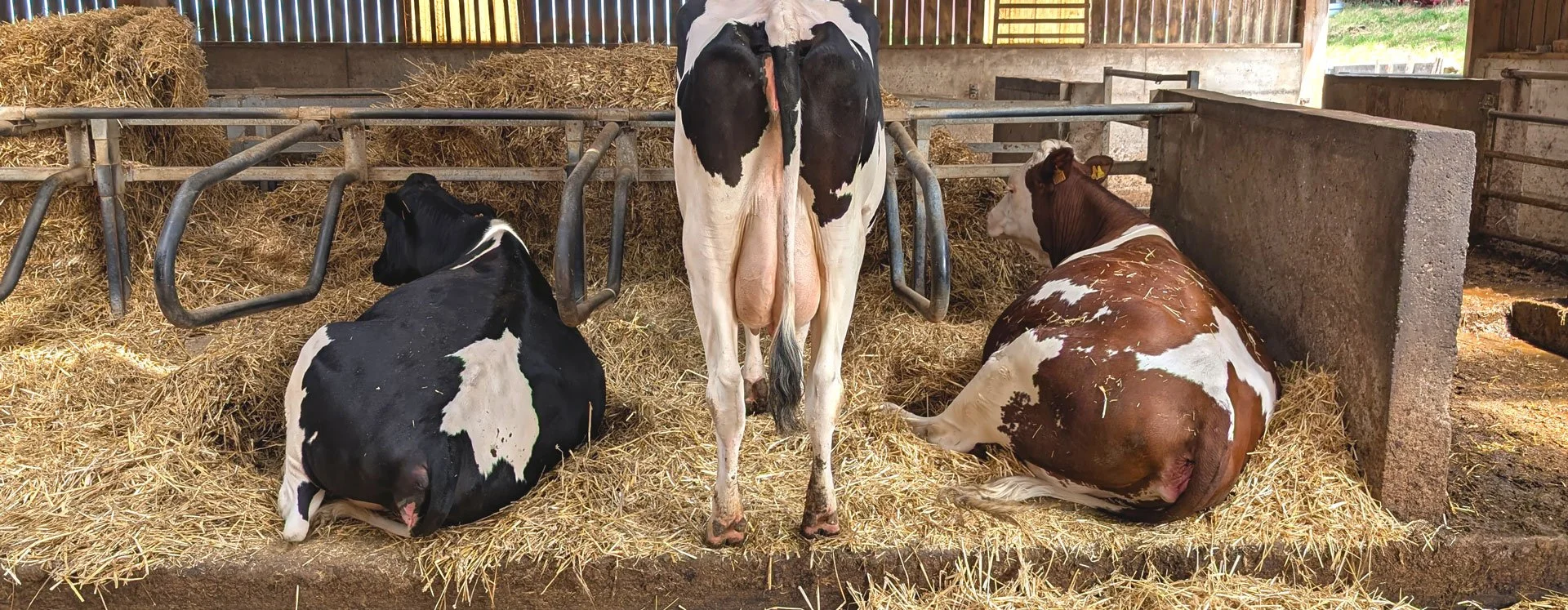
5 Surprising Takeaways: How Volcanic Bedding is Revolutionising Dairy Hygiene and Soil Health
Focus on the Bedding-to-Soil Cycle Boost herd health and soil fertility with Vulkamin, a 100% natural volcanic mineral. Reduce ammonia and create the ideal component for FYM Bokashi to remineralise your land naturally
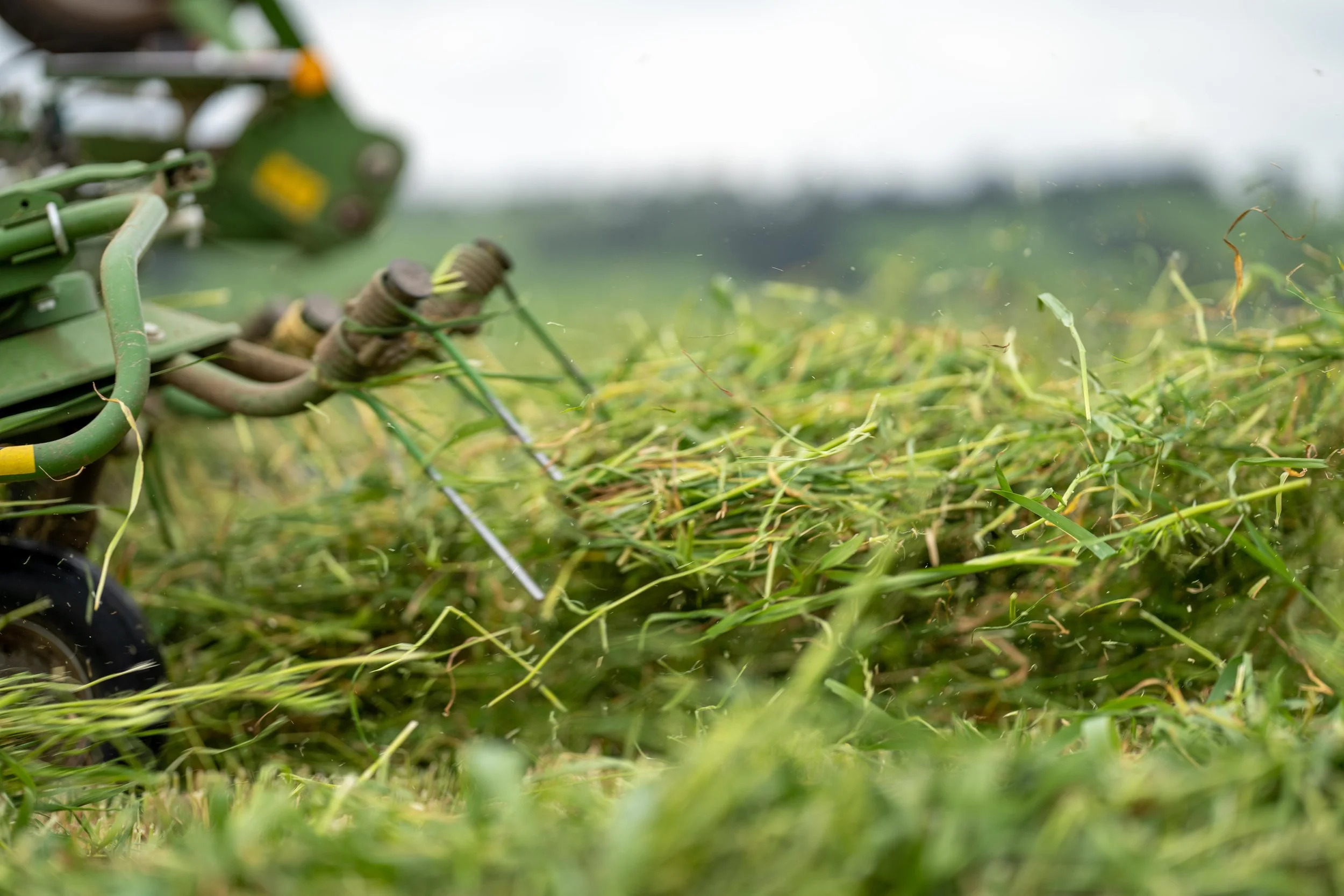
Make the most of what you have Part 3: Good Silage or Great Silage
Discover how EM Silage improves forage fermentation using beneficial microbes to reduce spoilage, improve stability, and protect feed value. OF&G certified solutions from Agriton UK for more efficient, sustainable livestock farming.
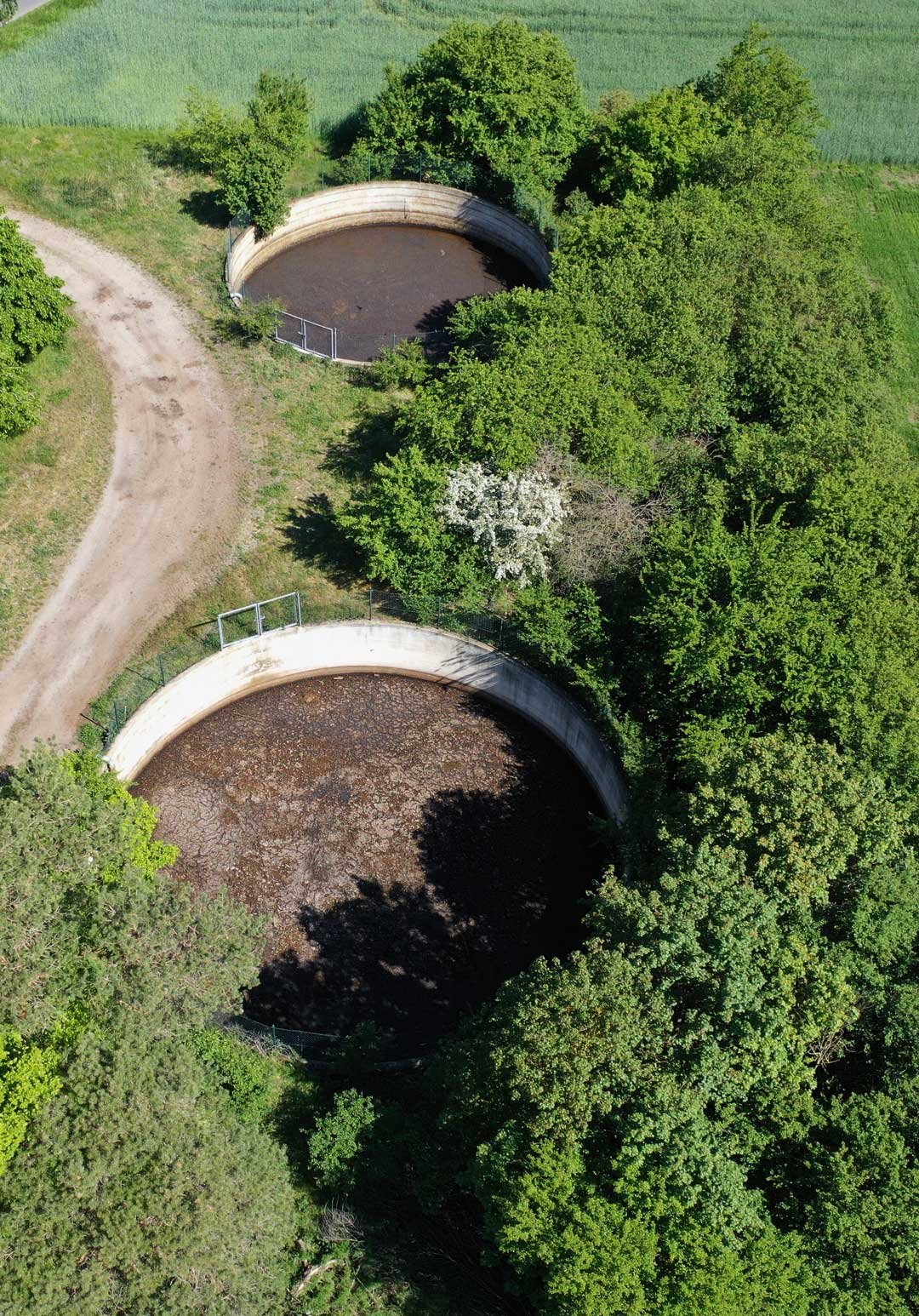
Making the most of what you have Part 2: Look after your slurry
Slurry in UK farming is often underperforming due to timing, weather, storage and application methods. discover why nutrient losses happen and how improved management and effective microorganisms can help stabilise slurry, reduce losses and improve fertiliser efficiency.
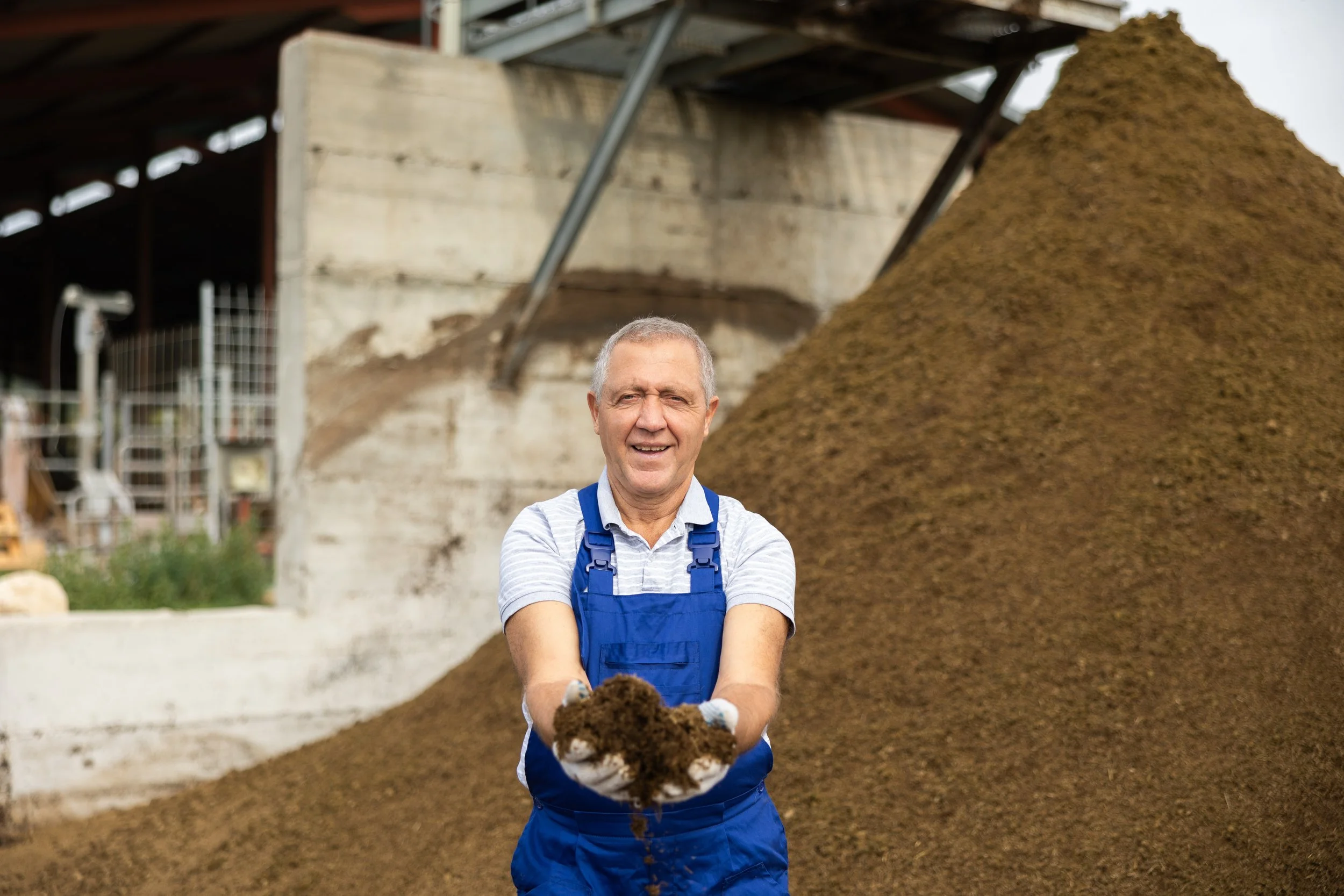
Making the most of what you have: Part 1
Farm resilience starts with making the most of what you already have. Discover how Bokashi fermentation and EM technology can help protect nutrients, improve soil biology, reduce input reliance and build stronger, more resilient farming systems.

Action and awareness: Supporting mental health across the farming community
Farming faces rising pressure from isolation, financial stress and uncertainty. Discover why mental health awareness, community support and practical action are vital for the wellbeing of the UK farming community in 2026.
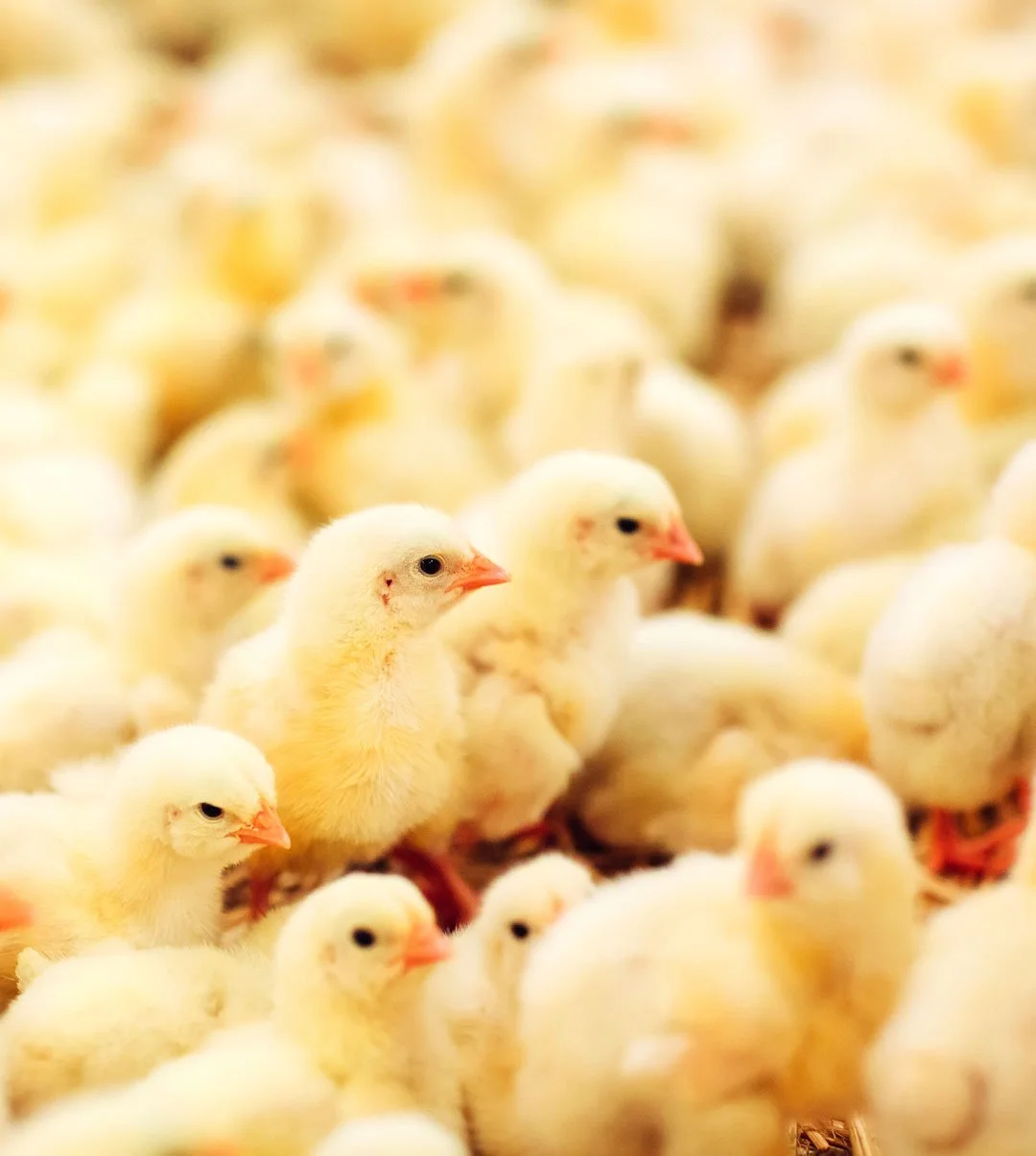
Salmonella outbreak exposes a deeper weakness in poultry systems
A salmonella outbreak at a UK poultry hatchery highlights the hidden fragility of modern production systems. discover how microbial balance, not just biosecurity, is key to improving resilience, protecting chick health, and reducing disruption across the supply chain.
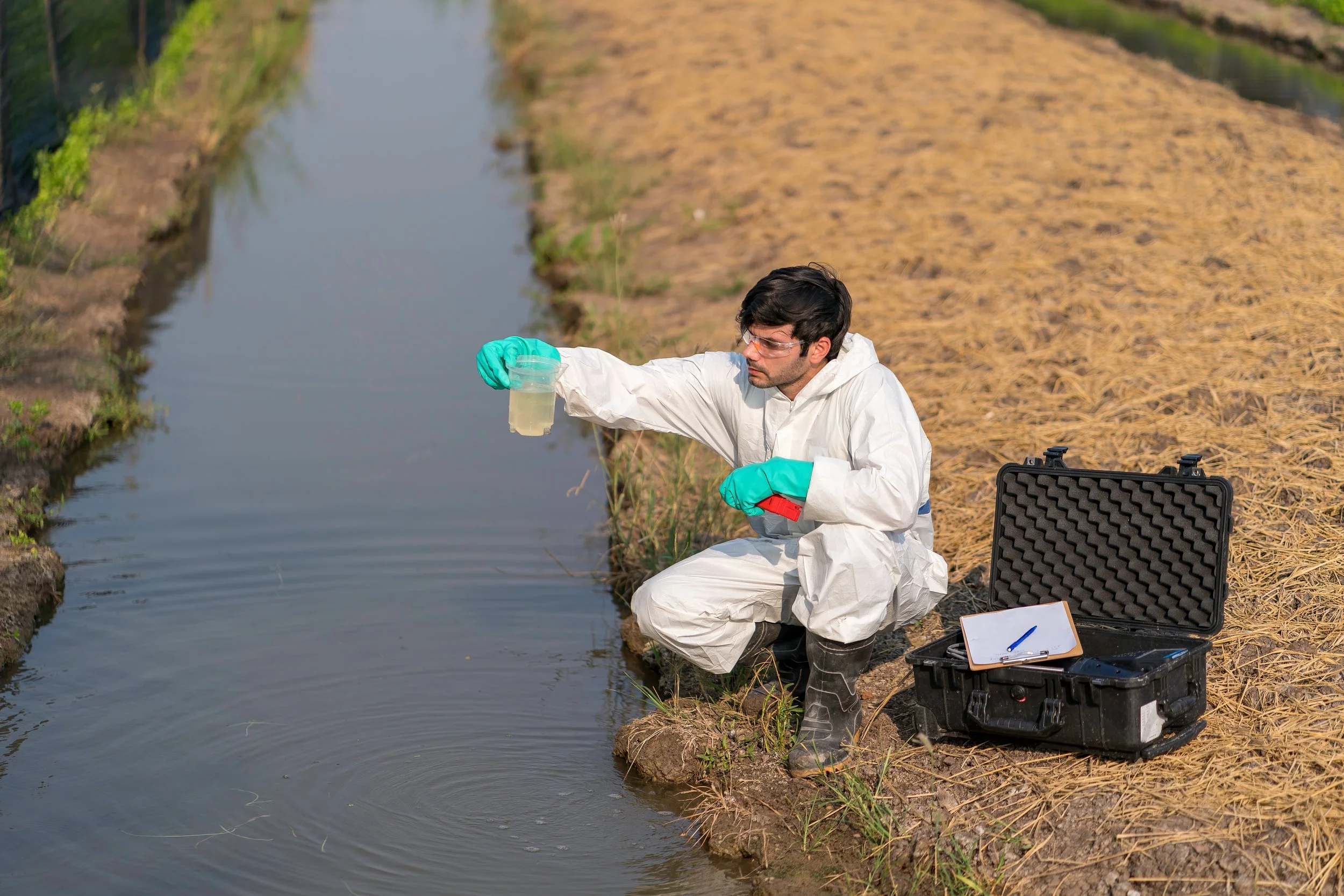
DEFRA: Farming rules shake-up to cut pollution and support farmers
Discover how the government’s 2026 regulatory update simplifies agricultural water rules to tackle pollution while supporting sustainable food production. Learn about the shift toward advice-led inspections and how proactive management can enhance your farm's long-term environmental and economic resilience.
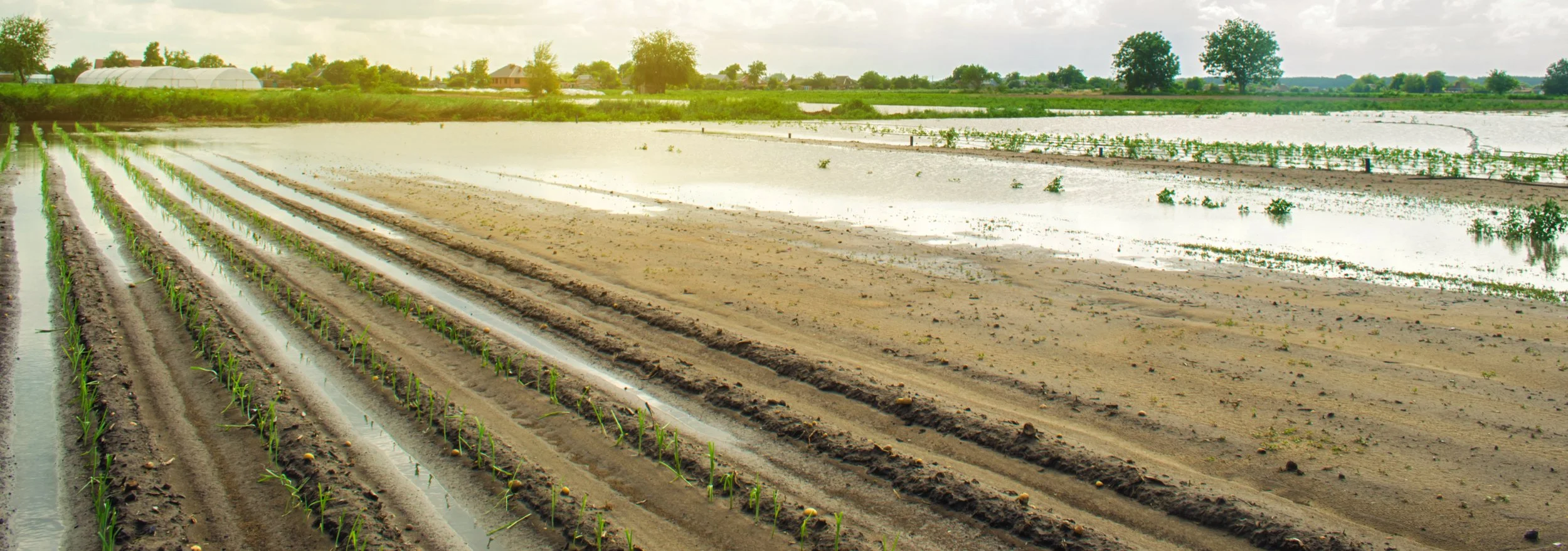
Cultivating Resilience: Why Soil Health is Your Farm’s Best Financial Asset
Discover how prioritising soil health can build farm resilience against extreme weather while significantly reducing production costs. Learn how practices like cover cropping and no-till farming serve as strategic financial assets, helping farmers manage both drought and drainage challenges while navigating volatile global markets.
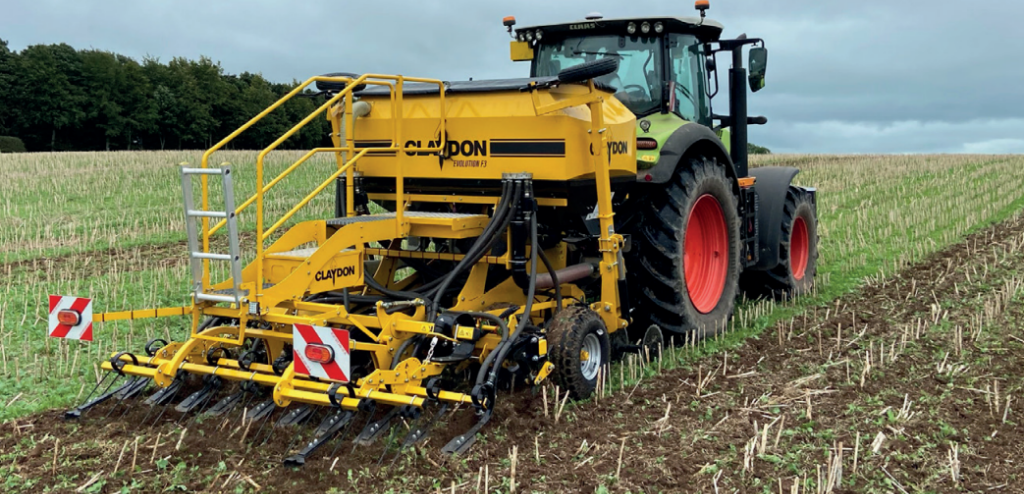
Unlocking the potential of our soil: The Agriton Farm guide to no-till success
Discover how Agriton Farm is leading the way in sustainable agriculture through no-till farming. By protecting the "underground city" of microbes and earthworms, we improve soil health, enhance biodiversity, and significantly reduce fuel and labour costs. Explore how this low-disturbance method builds resilient soil structure to help UK crops survive droughts and prevent local flooding.

Soil health is now a livestock issue, not just an arable one
Soil health is no longer just an arable concern. Declining soil biology is reducing forage quality, increasing supplementation costs, and quietly undermining livestock performance across UK farms.
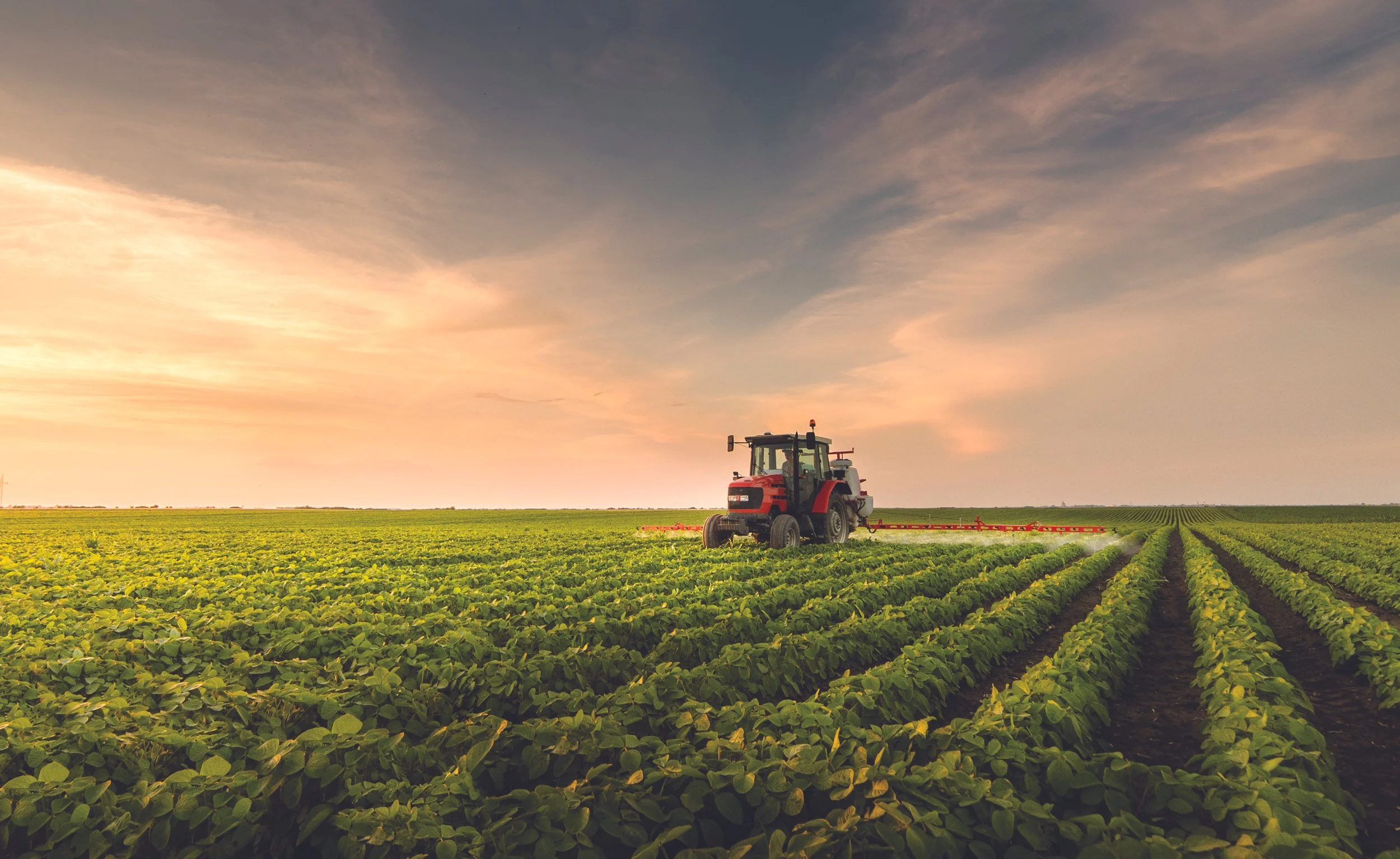
The hidden consequence of fertiliser cuts: Poorer animal performance later in 2026
While fertiliser prices have dominated agricultural headlines, a quieter crisis is brewing in the background—one that won’t fully reveal itself until later in the season. As farmers cut back on fertiliser use to manage costs, the knock-on effect is starting to reach forage quality, with potentially serious implications for livestock performance.
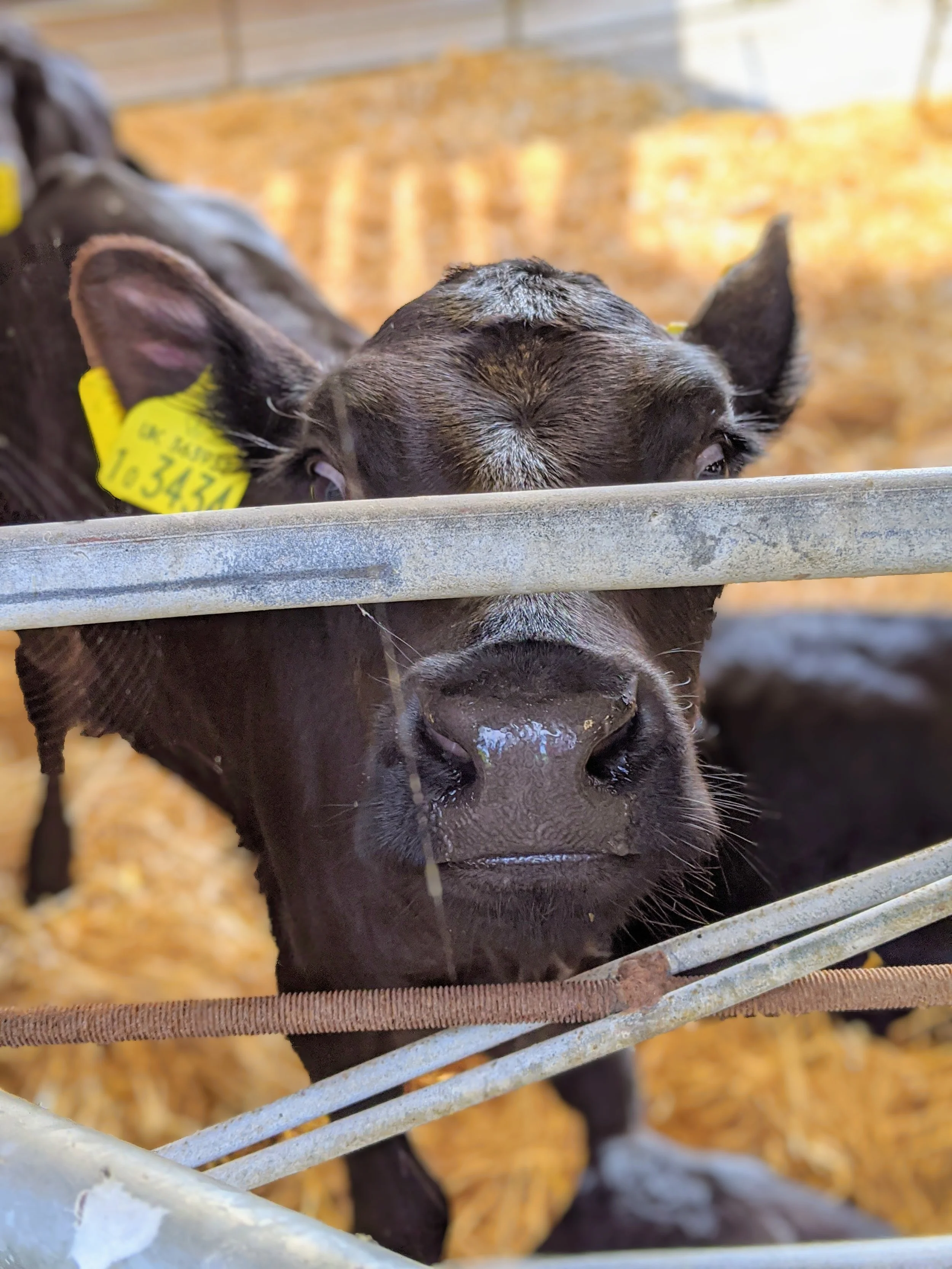
Antimicrobial resistance is quietly reshaping livestock farming
Antimicrobial Resistance Is Quietly Reshaping Livestock Farming

Ammonia debate highlights a deeper systems problem in livestock farming. EM® is the solution.
As the ammonia emissions debate intensifies across UK livestock farming, the focus is shifting from blame to biology. This article explores why manure management, not livestock numbers alone, drives ammonia loss, and how regenerative approaches using em slurry systems and Actiferm can reduce emissions at source while improving nutrient efficiency on farm.
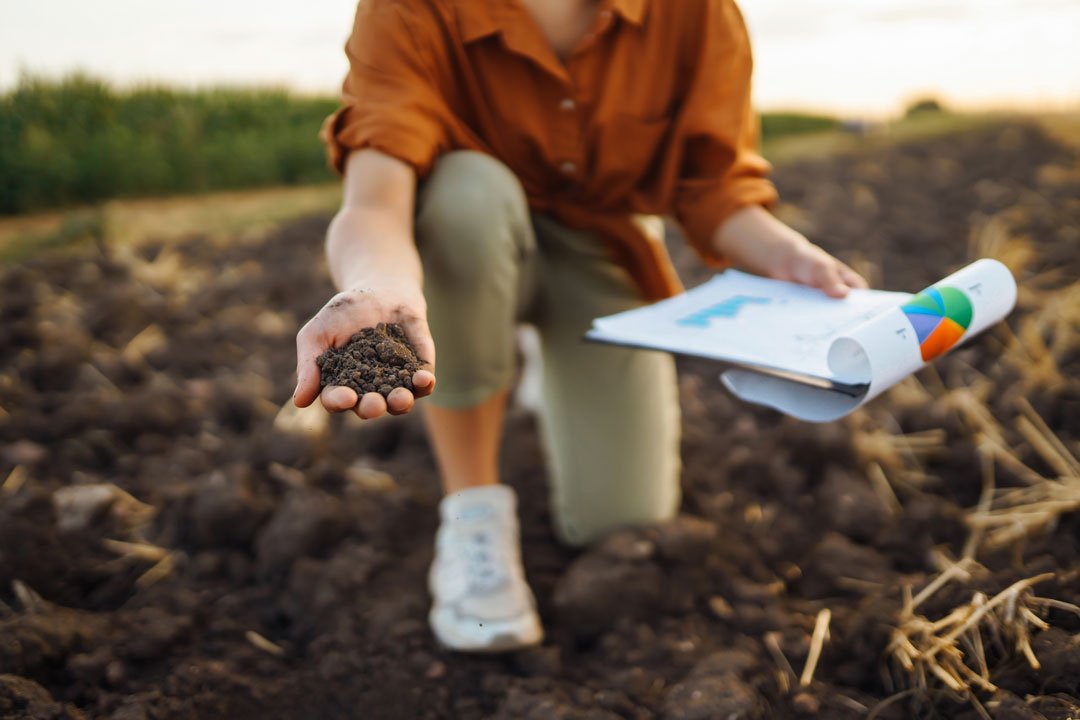
Financial pressure in farming: why the current system is no longer sustainable
Rising fuel and fertiliser costs combined with low farmgate returns are exposing structural weaknesses in uk farming. this opinion-led Agriton blog explores why dependency on external inputs is driving financial pressure and what needs to change for long-term farm resilience.

Tesco’s food waste-to-animal feed model: a regenerative perspective.
Tesco’s partnership with RenEco to convert surplus food into animal feed highlights a growing circular economy trend in UK agriculture. This blog explores the model from a regenerative farming perspective and explains why soil-first systems such as Bokashi offer a more sustainable alternative.
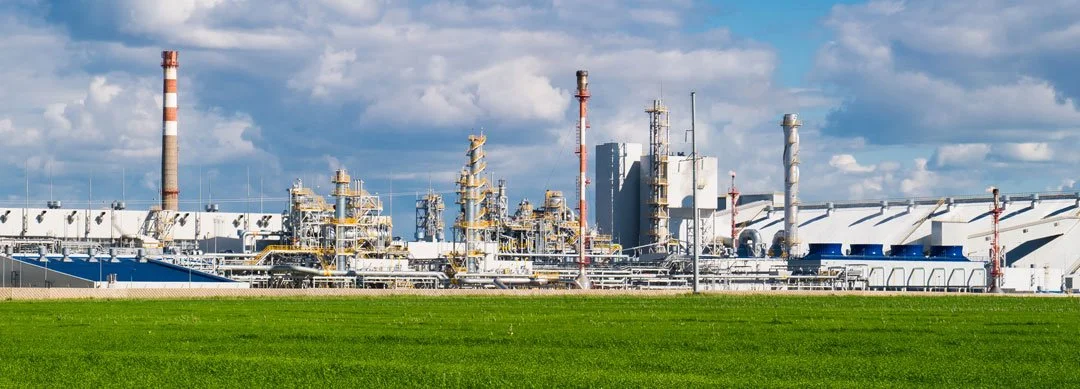
Stop losing nutrients & start building fertility.
Want to reduce your reliance on bought-in fertiliser?
Discover how Bokashi can help you retain more nutrients on farm and build long-term fertility from within. Get in touch with Agriton to start the conversation.
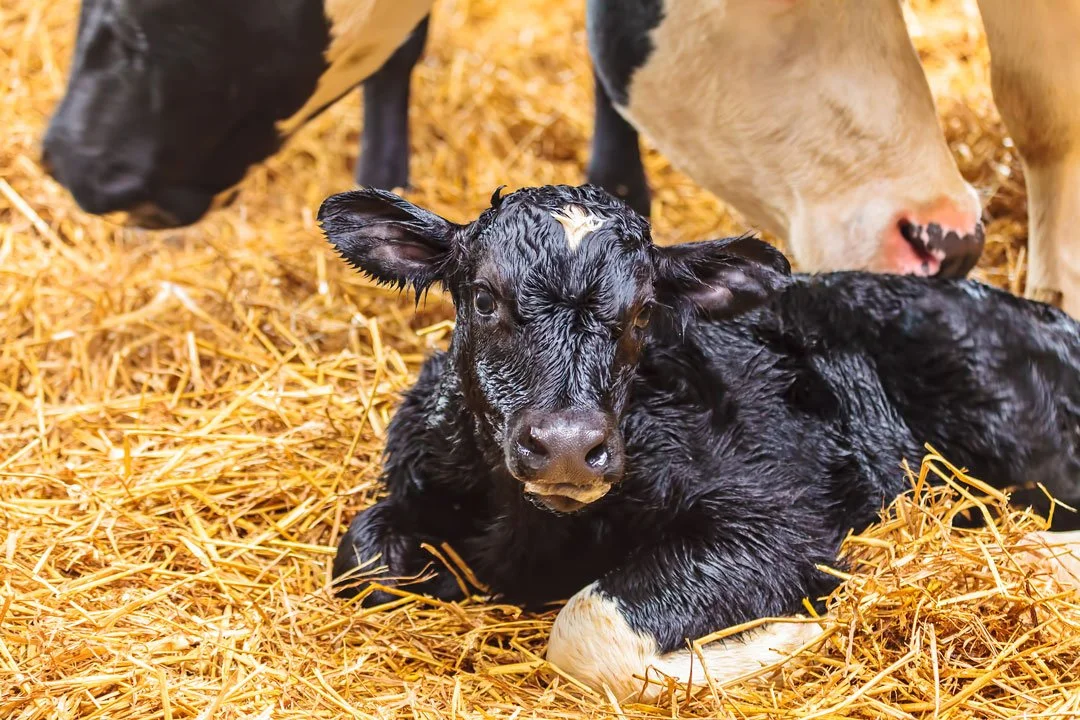
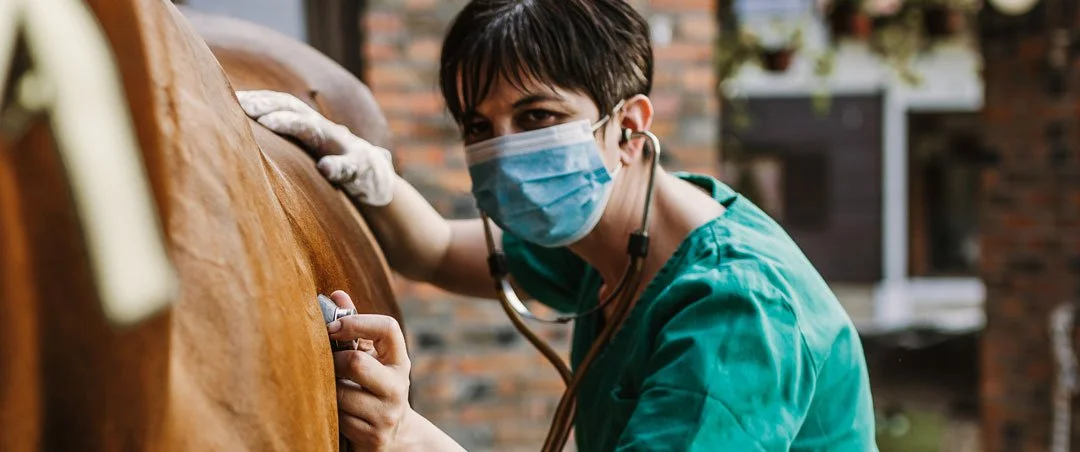
How livestock health impacts farm profitability (Hidden costs & solutions)
Livestock health plays a direct role in farm profitability by influencing productivity, feed efficiency, and overall costs. Strong preventative management improves performance, reduces losses, and supports long-term farm returns.
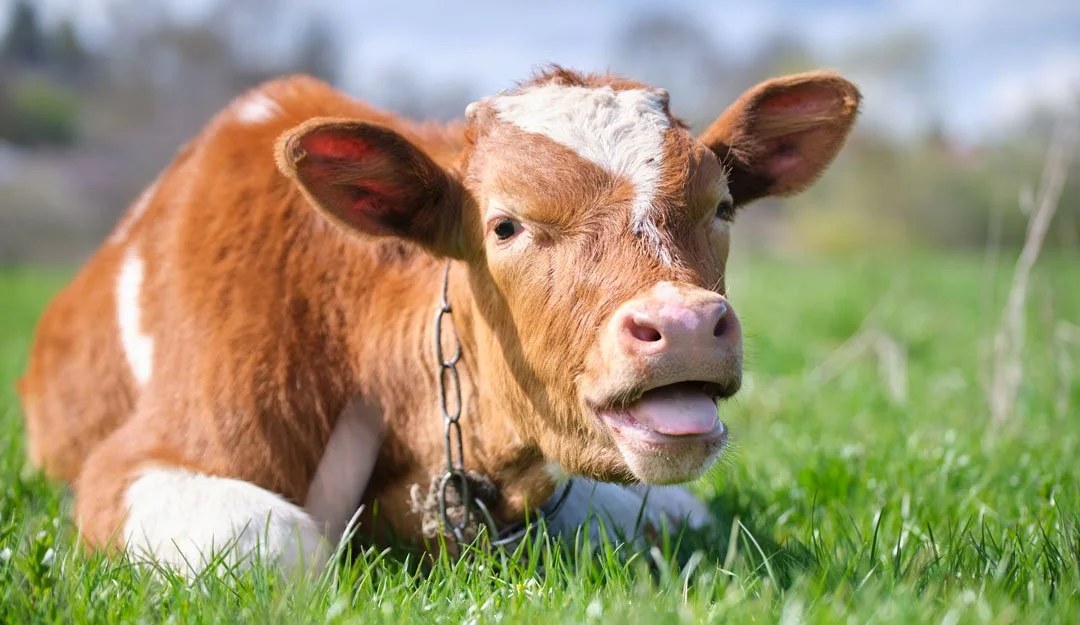
Beyond the cough: Using lung scanning and better housing to prevent calf respiratory disease
Bovine respiratory disease (BRD) remains one of the leading health challenges in UK dairy calves, affecting growth, welfare and long-term productivity. This article explores the causes of BRD, the role of immunity and environment, and how early detection and improved housing management can help reduce disease pressure and antibiotic use on farm.