
The hidden consequence of fertiliser cuts: Poorer animal performance later in 2026
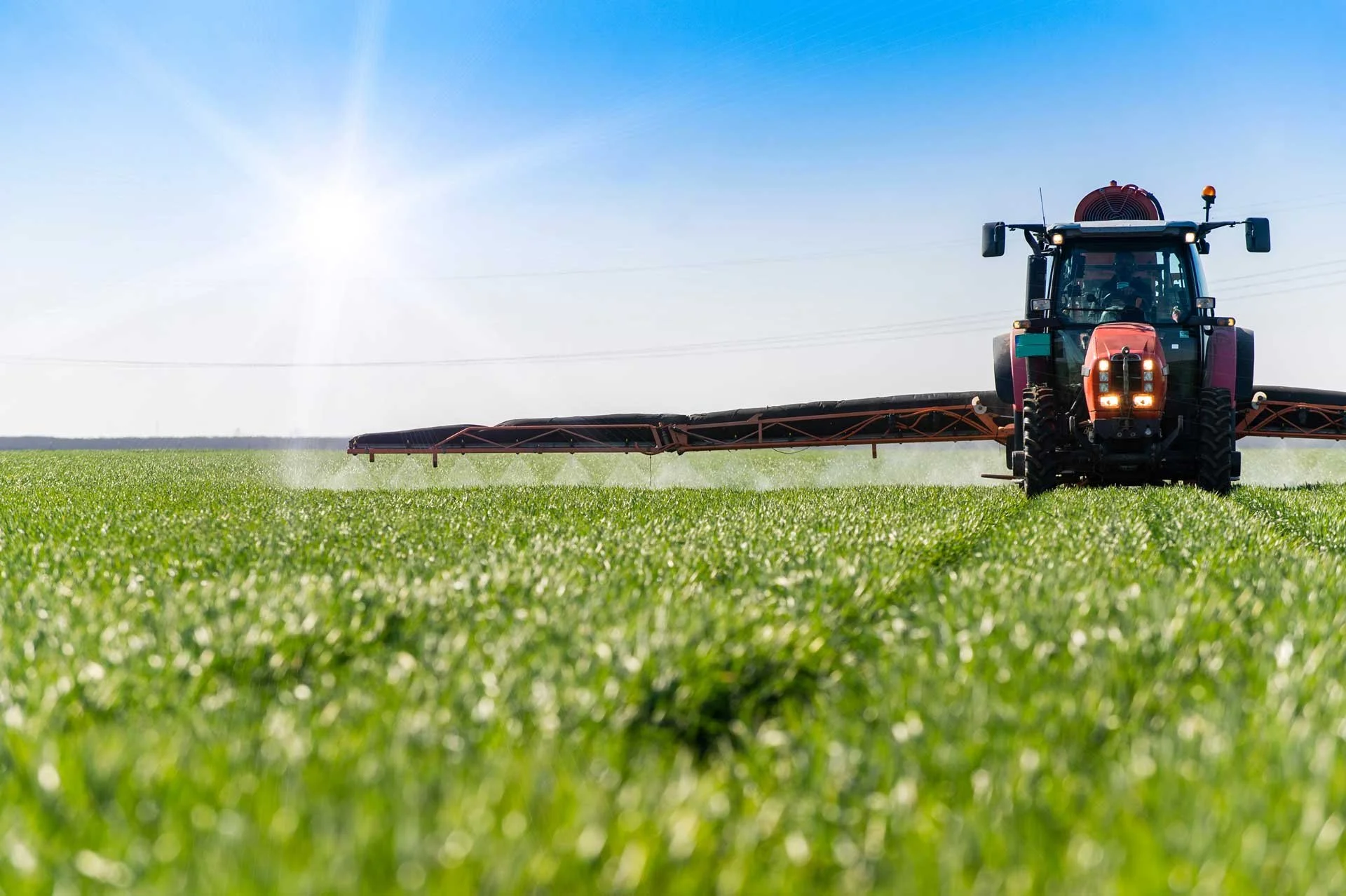
While fertiliser prices have dominated agricultural headlines, a quieter crisis is building in the background—one that won’t fully reveal itself until later in the season and potentially well into 2026. As farmers reduce fertiliser use to manage short-term costs, the knock-on effect is beginning to show in grass growth, forage quality, and ultimately livestock performance.
This is not an immediate shock. It is a slow shift in feed quality that risks being overlooked until animals are already in the system relying on that forage.
What’s happening on farms?
Across the UK and beyond, many livestock and mixed farmers are making a practical but cautious decision: apply less fertiliser to grassland in order to reduce input spend.
On paper, it makes sense. Fertiliser is one of the biggest controllable costs on farm, and in periods of price volatility it is often the first lever pulled.
However, early seasonal indicators suggest a more complex outcome:
Grass may still appear visually adequate
Growth rates can look “acceptable” in the short term
But nutrient density is beginning to decline beneath the surface
In simple terms, we are potentially growing bulk—but not balance.
That imbalance is critical when the end goal is livestock performance, not just grass yield.
Why forage quality is starting to shift
Fertiliser does more than drive grass growth. It directly influences plant composition, including:
Crude protein levels
Digestible energy
Mineral availability
Leaf-to-stem ratio
Regrowth speed and resilience
When application rates are reduced, grass will still grow—nature does not stop—but it often shifts towards a lower nutritional profile.
This means silage and grazing swards can quietly move from “productive enough” to “deficient in key nutrients” without obvious visual warning signs.
The risk is that the decline is only discovered once forage is tested—or once animals begin to respond.
Why this matters for livestock systems
This is where the real cost begins to appear.
Lower-quality forage does not immediately show itself as a fertiliser problem—it shows up as a livestock performance problem.
The most common knock-on effects include:
1. Increased reliance on concentrates
Farmers often compensate for poorer forage by increasing bought-in feed. While effective in the short term, this increases dependency on volatile markets and erodes margin.
2. Reduced feed efficiency
Even when extra feed is added, animals may not convert it as efficiently if the base forage is lacking in structure, protein balance, or mineral support.
3. Suppressed performance
Depending on system type, this can show as:
Lower milk yields or milk quality shifts
Slower daily liveweight gains
Reduced fertility performance over time
Increased metabolic strain in high-output animals
4. Rising hidden costs
These are rarely tracked as a direct “fertiliser consequence”, but they show up in:
Vet bills
Longer finishing times
Higher feed cost per litre or kilo produced
The irony is that money saved on fertiliser can quietly reappear in multiple other parts of the system.
The lag effect: why this is a 2026 issue
One of the most significant challenges here is timing.
Fertiliser decisions made in spring and early summer 2025 do not fully express themselves until:
Silage is fed in winter
Grazing quality declines later in the season
Youngstock and finishing systems rely on stored forage
Performance gaps become visible in production records
This creates a lag effect where the cause and consequence are separated by months.
By the time reduced performance is recognised, the underlying forage quality has already been “locked in” for that season.
A quiet risk building in the system
The wider concern is that this is happening across many farms at once. That creates a systemic issue rather than an isolated management challenge.
If fertiliser reductions continue at scale without compensatory soil and biological support, 2026 could see:
More variable forage quality across regions
Increased reliance on purchased feed nationally
Tighter livestock margins even if output prices remain stable
Greater performance inconsistency between farms
It is not a dramatic collapse scenario—but it is a slow erosion of efficiency across livestock systems.
Moving from input reduction to system resilience
The key question is not simply “how much fertiliser can we cut?”
It is:
How do we maintain soil function and forage quality while reducing dependence on synthetic inputs?
That shifts the focus towards:
Soil biology and microbial activity
Nutrient cycling efficiency
Organic matter and carbon support
Better utilisation of existing nutrients in the system
Because the goal is not just cheaper grass—it is functional grass that supports livestock performance.
Final thought
Short-term fertiliser savings are easy to measure. The harder cost to see is the gradual decline in forage quality and the downstream impact on animal performance.
That is where 2026 will tell its story.
The farms that perform best will not necessarily be those that cut fertiliser the most—but those that maintain the biological engine of their soils while doing it.