Antimicrobial resistance is quietly reshaping livestock farming
Antimicrobial resistance (AMR) is no longer a distant public health concern—it is rapidly becoming one of the most influential forces shaping modern livestock farming.
While industry headlines continue to focus on emissions and climate targets, a quieter but more immediate shift is underway. amr is changing how farms operate, how animals are managed, and increasingly, who gets access to premium markets.
What’s changing on farm
The direction of travel is clear: fewer antibiotics, tighter controls, and far greater scrutiny.
Pressure from government, supply chains, and retailers is intensifying. antibiotic reduction is no longer advisory—it is expected. across dairy, beef, pigs, and poultry, veterinary protocols are tightening, with particular focus on high-risk areas such as calf rearing and early-life health.
This is forcing a fundamental shift: From reactive treatment to preventative health management, farms are now being pushed to build resilience into their systems—reducing disease pressure before it starts, rather than relying on antibiotics to resolve it.
Market access is being redefined
This is where AMR moves from theory to reality.
Retailers and processors are increasingly embedding antibiotic metrics into supply contracts. in some cases, antibiotic usage thresholds are becoming as important as production metrics.
The result?
• Antibiotic reduction is becoming a gateway to market access
• High-use systems risk exclusion or price penalties
But here’s the problem:
Many farmers are being asked to change without being shown how.
Improving housing, ventilation, hygiene, and nutrition all play a role—but without a joined-up biological approach, results can be inconsistent and costly.
Where the real pressure shows up
AMR doesn’t exist in isolation—it exposes weaknesses in the system.
The biggest pressure points are already clear:
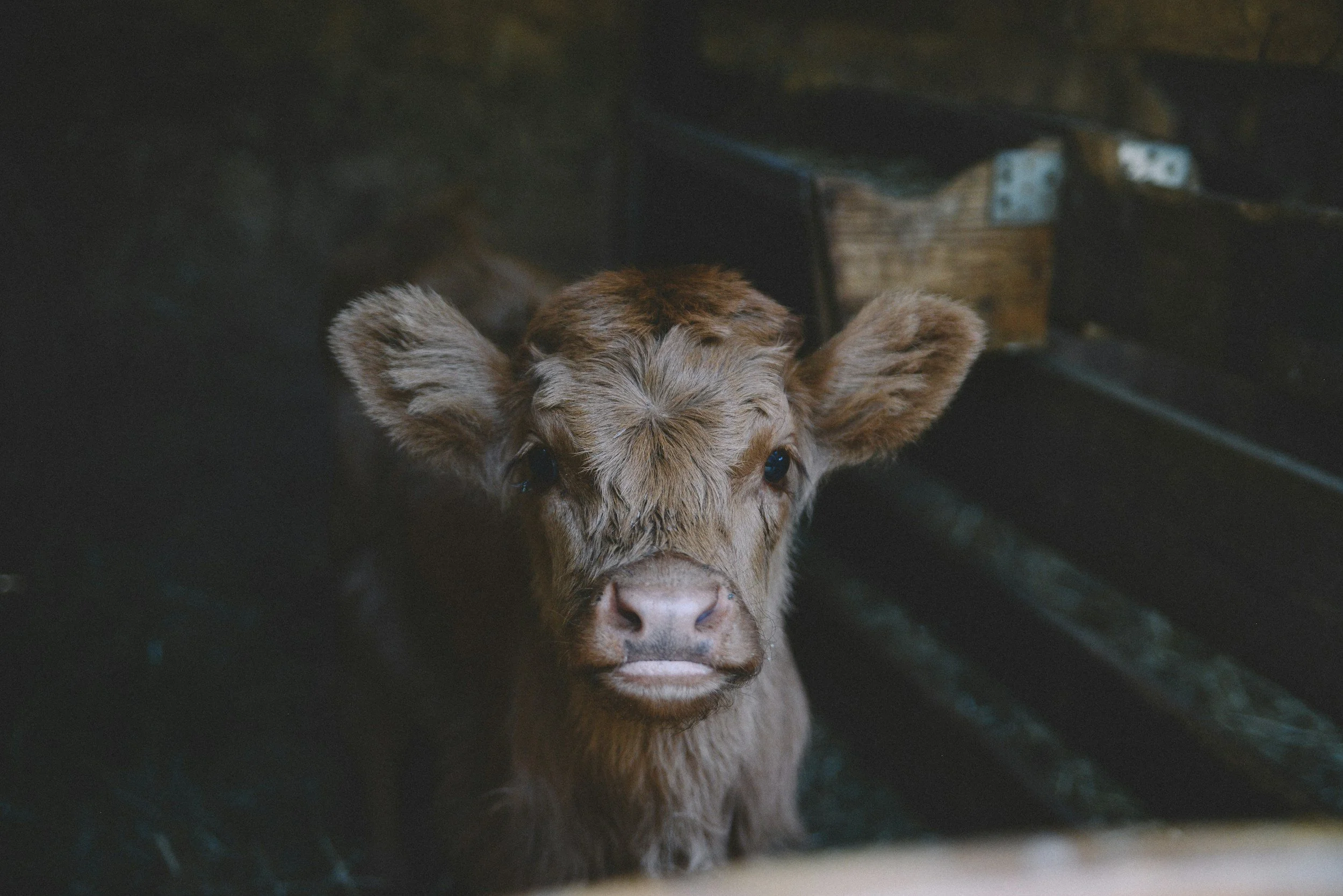
calf health, particularly around respiratory challenges like Bovine Respiratory Disease
mastitis in dairy herds
disease control in high-density pig and poultry systems
These are not new problems—but they are becoming harder to manage without antibiotics as a safety net.
The missing link: biology, not just management
This is where many conversations fall short.
Reducing antibiotics isn’t just about removing a tool—it requires replacing it with something that works with biology, not against it.
That means:
stabilising microbial environments
improving gut health and immunity
reducing pathogen load through competitive biology
creating conditions where disease struggles to establish
This is the shift from chemical dependency to biological resilience.
Why this matters more than the headlines suggest
AMR is still underreported compared to emissions and climate policy—but in practical farming terms, it may have a faster and more direct impact.
It affects:
day-to-day decision making
cost of production
long-term system viability
access to supply chains
And unlike policy-driven sustainability targets, this is already being enforced at farm level.
The direction of travel is clear
The farms that adapt early—building resilient, biologically balanced systems—will be the ones that stay competitive.
Those that don’t risk being caught between rising expectations and shrinking options.
AMR isn’t coming.
It’s already here.
And it’s quietly redefining what good farming looks like. We can help by creating a healthy, natural farming environment, utilising EM® - Effective Microorganisms.