
Ammonia debate highlights a deeper systems problem in livestock farming. EM® is the solution.
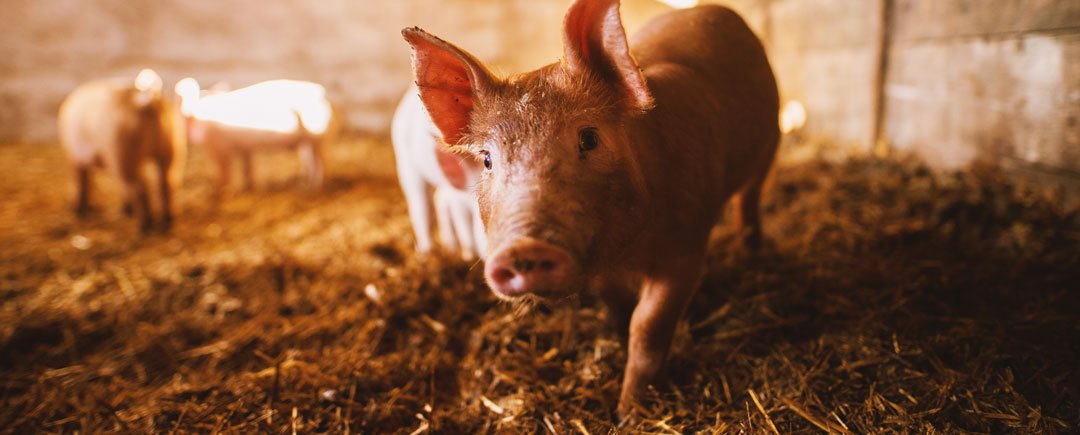
The recent row between animal welfare campaigners and pig and poultry organisations over UK ammonia emissions has once again exposed a familiar fault line in agriculture: not just how much pollution is being produced, but how it is being managed at source.
With Compassion in World Farming (CIWF) and Sustain publishing an interactive “ammonia map” linking high emissions to intensive livestock regions, the conversation has understandably focused on hotspots in areas such as Lincolnshire, Norfolk and Herefordshire. Industry bodies have pushed back strongly, questioning methodology and warning against oversimplified conclusions about modern livestock systems.
But beneath the political sparring sits a more practical truth that both sides broadly agree on: agriculture remains the dominant source of ammonia emissions in the UK, and manure management is central to the challenge.
The real question is whether the sector continues to rely on end-of-pipe mitigation and regulation, or begins to shift towards biological systems that reduce emissions at source.
Ammonia is a symptom of unmanaged biological imbalance
Ammonia emissions are not simply a by-product of livestock presence. They are the result of how nitrogen behaves in high-density systems, particularly where manure and slurry are stored and applied under conditions that allow rapid volatilisation.
When urine and faeces are separated from natural microbial cycling and stored in anaerobic, unstable conditions, nitrogen is rapidly converted into ammonia gas. This is not an unavoidable biological outcome, it is a management outcome.
This distinction matters, because it reframes the debate. Rather than treating ammonia as an inevitable externality of livestock production, it should be viewed as a signal of disrupted microbial balance in manure systems.
Why conventional approaches are hitting limits
Much of the current response to ammonia emissions focuses on:
housing modifications
slurry covers and storage upgrades
acidification technologies
regulatory nutrient management plans
These interventions can reduce losses, but they do not fundamentally change the biological behaviour of slurry itself. The system remains reactive, treating emissions after they are created rather than preventing them at source.
This is where regenerative thinking begins to shift the conversation.
A regenerative approach: stabilising nitrogen through microbial control
From an Agriton perspective, the opportunity lies in managing manure as a living system rather than a waste product.
This is where Effective Microorganisms (EM) and products such as Actiferm, including its use in EM slurry treatment systems, become relevant.
Rather than allowing uncontrolled decomposition pathways that generate ammonia, EM-based approaches aim to:
stabilise microbial populations within slurry
favour fermentative rather than putrefactive processes
reduce rapid nitrogen volatilisation
improve overall slurry consistency and nutrient retention
In practical terms, this means shifting slurry from an unstable, high-loss environment into a biologically active, more balanced fermentation system.
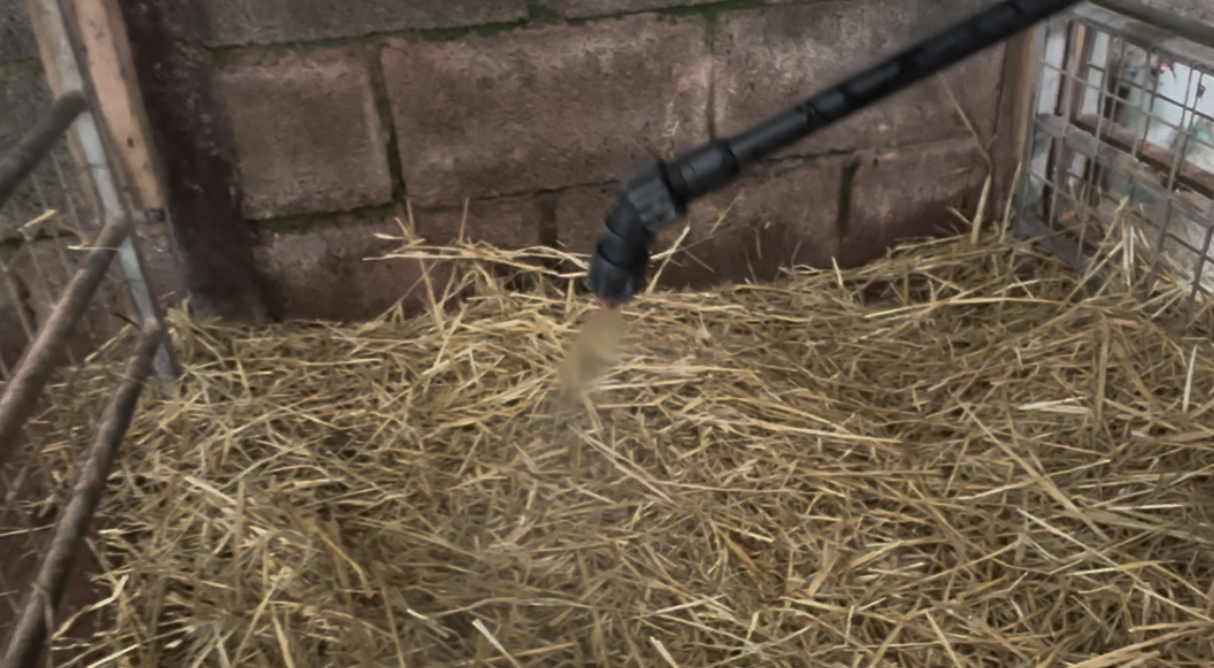
When applied correctly, Actiferm-based EM slurry treatments support conditions where nitrogen is retained in more stable organic forms for longer, reducing the peaks of ammonia release typically associated with storage agitation and field spreading.
Why this matters for the ammonia debate
What the current ammonia map controversy highlights is not just a political divide, but a structural gap in how emissions are managed.
If ammonia is predominantly generated during storage and handling of manure, then the most effective interventions are those that act before emissions occur, not after.
This is where microbial management systems offer a different trajectory:
reducing emissions at source rather than masking them later
improving nutrient efficiency within the farm system
supporting soil biology when slurry is applied
reducing reliance on purely mechanical or chemical suppression methods
It is a shift from compliance-driven mitigation to biological system design.
Moving beyond polarised narratives
The livestock sector is often positioned between two extremes: intensification criticised for environmental harm, and production systems under pressure to feed a growing population.
Neither framing fully addresses the core issue, which is system resilience. Ammonia emissions are not just a regulatory challenge; they are an indicator of inefficiency in nitrogen cycling.
A regenerative approach does not deny the reality of emissions. Instead, it focuses on redesigning the microbial environment in which those emissions are formed.
The takeaway
The ammonia debate will continue to be politically charged, but the technical pathway forward is less ambiguous than it appears.
Reducing emissions at source through biological slurry management, including EM systems and Actiferm integration, represents a practical route to:
lower ammonia losses
improved nutrient retention
reduced environmental loading
more efficient livestock production systems
The future of manure management is unlikely to be solved by a single intervention. But it is increasingly clear that biology, not just infrastructure, will define the next phase of progress.
Useful Links: