
Cultivating Resilience: Why Soil Health is Your Farm’s Best Financial Asset
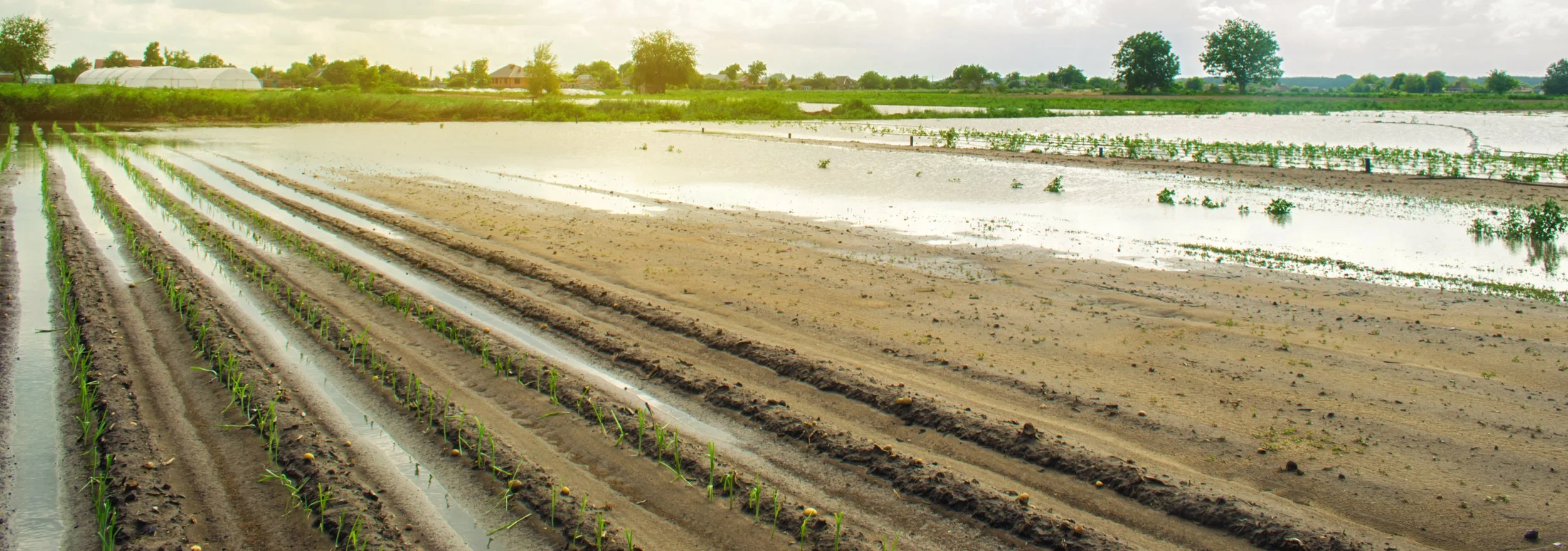
In an era of increasingly unpredictable weather and volatile global markets, the foundation of a resilient farm business often lies right beneath our feet. For many farmers, managing soil health is no longer just an environmental goal; it is a strategic financial decision to mitigate the impacts of extreme weather and rising input costs.
From the Ground Up: Rebuilding Soil Vitality for Future Resilience
In an era of unpredictable weather and volatile markets, the foundation of a resilient farm or garden lies right beneath our feet. Managing soil health is no longer merely an environmental goal; it is a strategic financial decision to mitigate the impacts of extreme weather and rising input costs. Whether you are dealing with "dead soil" or simply looking to enhance productivity, the journey to soil regeneration is a holistic process of rebuilding a living ecosystem.
Understanding the Challenge: What is "Dead Soil"?
"Dead soil" does not happen overnight, and fixing it requires more than just "feeding the plant"—it requires rebuilding the system that feeds the plant. Dead soil is typically characterised by low microbial life, poor structure, and a lack of natural nutrient cycling. Signs often include low organic matter, poor water retention, and soil compaction.
Step 1: Stop the Decline
Before introducing amendments, it is vital to reduce the pressures that cause soil decline. This means minimising the use of synthetic fertilisers, reducing aggressive cultivations, and avoiding leaving the soil bare. Soil biology requires stability to begin its recovery.
Step 2: Reintroduce and Feed Biology
The turning point in restoration is the reintroduction of microbes, without which the soil cannot function.
Actiferm and EM Active (EM-A): These products introduce effective microorganisms to kickstart microbial life and support nutrient cycling.
Bokashi: A fermented organic matter that serves as a potent fertiliser, enriching the soil with beneficial microorganisms while improving soil structure and water-holding capacity.
Step 3: Remineralise and Restore Structure
Mineral-deficient soils limit both plant and microbial functions. Remineralisation restores the foundation of the soil system.
Vulkamin: A volcanic rock granulate rich in trace elements that buffers pH and supports long-term mineral release.
Aegir Seashell Grit: Provides essential minerals for soil health, promoting optimal root development.
Edasil Clay: This amendment enhances soil structure, moisture retention, and nutrient absorption, fostering a thriving ecosystem.
Step 4: Maintaining the Living System
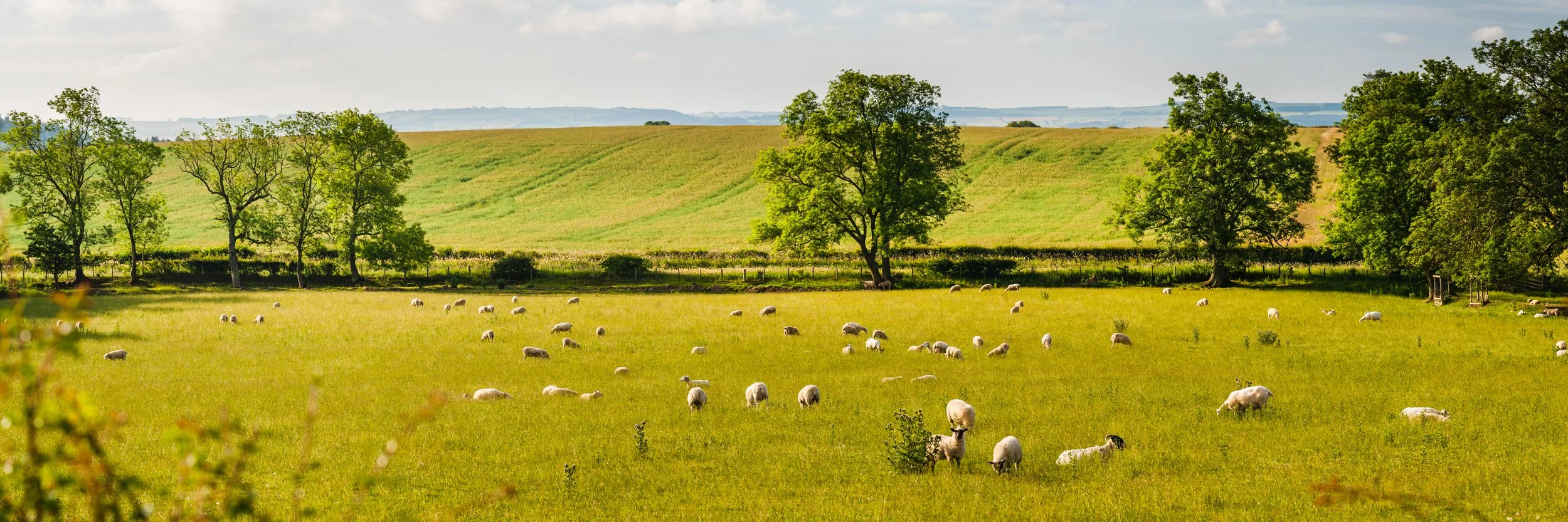
For long-term success, the system must remain "alive" through consistent practices. This includes keeping living roots in the ground by using cover crops and building diverse swards to feed the biology through plant exudates. Integrating livestock to graze on cover crops can further enhance nutrient cycling.
The Economic Reward: Financial Resilience
Focusing on soil health acts as a buffer against weather extremes; healthy soil improves water infiltration during heavy rain and retains moisture during droughts. Economically, this shift can be transformative. By moving away from "yield at all costs" and reducing heavy machinery and fuel use, some farmers have seen production expenses drop by 20–30%.
A New Mindset
The key takeaway is a mindset shift: you are not fixing soil with a single product, but nurturing a living ecosystem. By reducing damage, reintroducing microbes, and remineralising the ground, soil does not just recover—it becomes more resilient than it was before.
For those looking for further support, resources such as Catchment Sensitive Farming (CSF) and the Farming Advice Service (FAS) provide advisors to help restore soil health and navigate agricultural policy reforms.
For more on these practices, you can listen to the Defra Farming Podcast episode on building resilience.
Boosting the Bottom Line: The Economics of Resilience
Focusing on soil health can lead to a significant reduction in production costs. By moving away from "yield at all costs," some farmers have seen production expenses drop by 20–30%, primarily by reducing heavy machinery use and fuel consumption.
Precision farming tools—such as variable rate applications, soil testing, and plant testing—help farmers use inputs more efficiently. This approach protects profit margins and reduces the environmental footprint of the farm. Furthermore, collaboration and machinery sharing between neighbours are emerging as vital strategies to cut overheads and spread risk in an uncertain climate.
Navigating Policy and Market Volatility
The importance of soil resilience is gaining attention at a policy level. As reported by Farmers Weekly, the Central Association of Agricultural Valuers (CAAV) recently urged the government to implement a one-off "soil improvement and resilience scheme". This proposal comes in response to soaring input prices and squeezed margins caused by global fertiliser market disruptions. The suggested scheme would pay farmers to establish mixed green legumes as cover crops rather than leaving land fallow, providing long-term fertility benefits.
Support and Resources for Farmers
Building a resilient farm is not about a single solution; it is about making small, adaptive changes field by field. Several resources are available to support these efforts:
Catchment Sensitive Farming (CSF): CSF provides advisers to help farmers across England restore soil health and protect water, air, and soil.
The Farming Advice Service (FAS): This service offers free, confidential advice to farmers and advisers.
Defra Farming Blog: Visit the blog for the latest on agricultural policy reforms and new resources like the Nutrient Management Planning Tool.
Farming for the Future: Explore more about the transition to sustainable farming and building business resilience.
By focusing on soil health, farmers can create a more stable business model that is better equipped to handle the environmental and economic challenges of the future.