Unlocking the potential of our soil: The Agriton Farm guide to no-till success
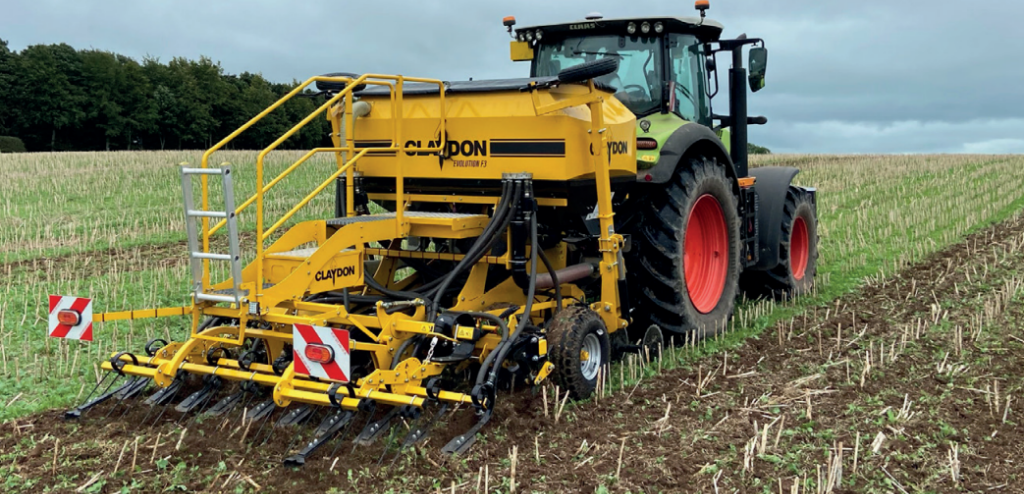
At Agriton Farm, we are redefining our relationship with the land by focusing on what lies beneath the surface. Instead of traditional ploughing, we have embraced no-till farming, a method that treats the soil as a living, breathing ecosystem—a true "underground city".
The Mechanics of No-Till: How It Works
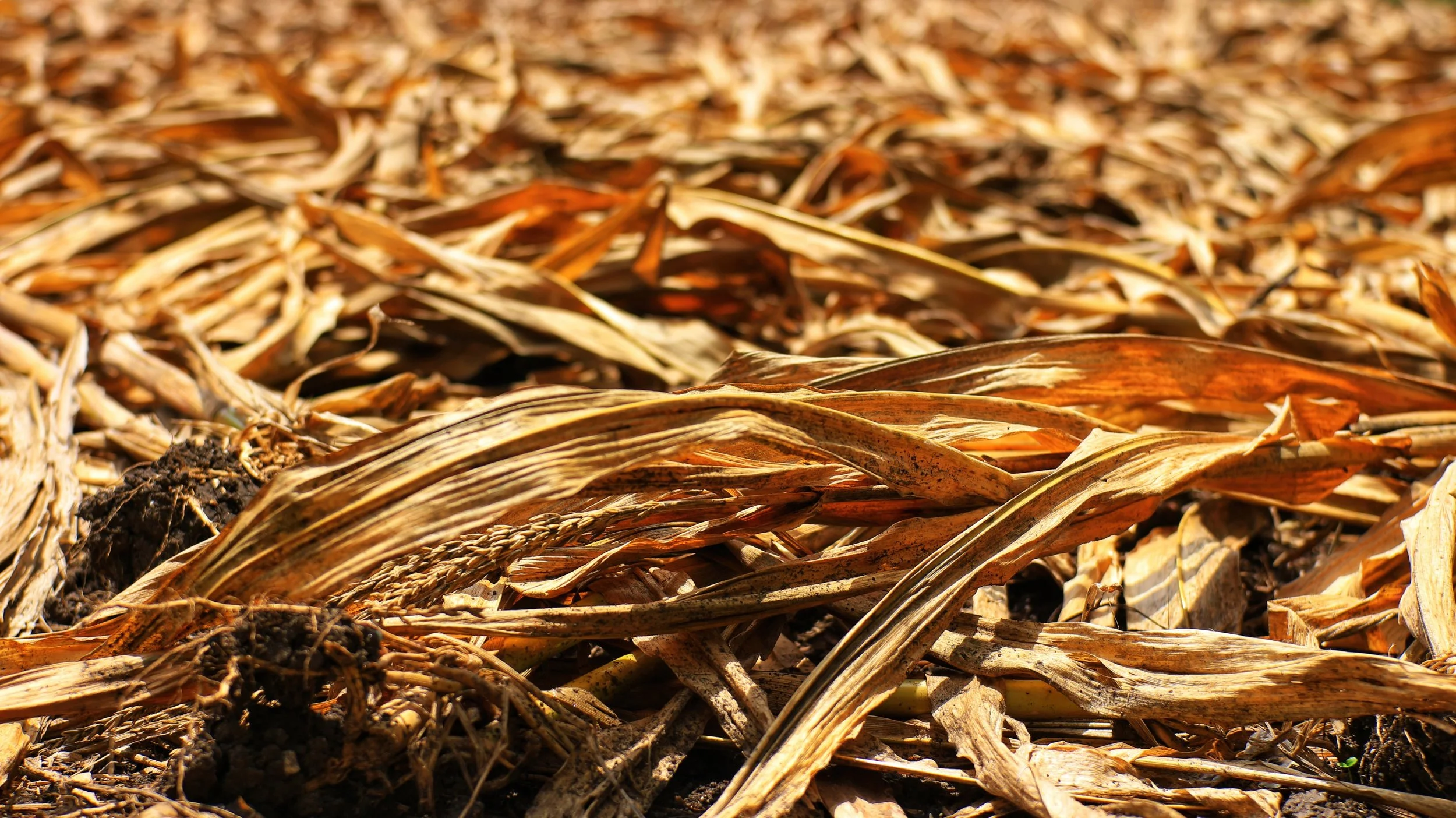
Utilising crop residue on farmland: We cut through with minimal disturbance and plant straight into soil. This utilises the nutrients from the previous crop.
You might wonder how we plant without turning the earth. We use specialised no-till planters equipped with thin rotating disks. These disks are designed to:
Slice through residue: They cut through the remains of previous harvests with minimal soil disturbance.
Precision planting: A tube places the seed at the ideal depth.
Ensure contact: A second wheel gently presses or "firms" the soil over the seed to guarantee proper seed-to-soil contact for growth.
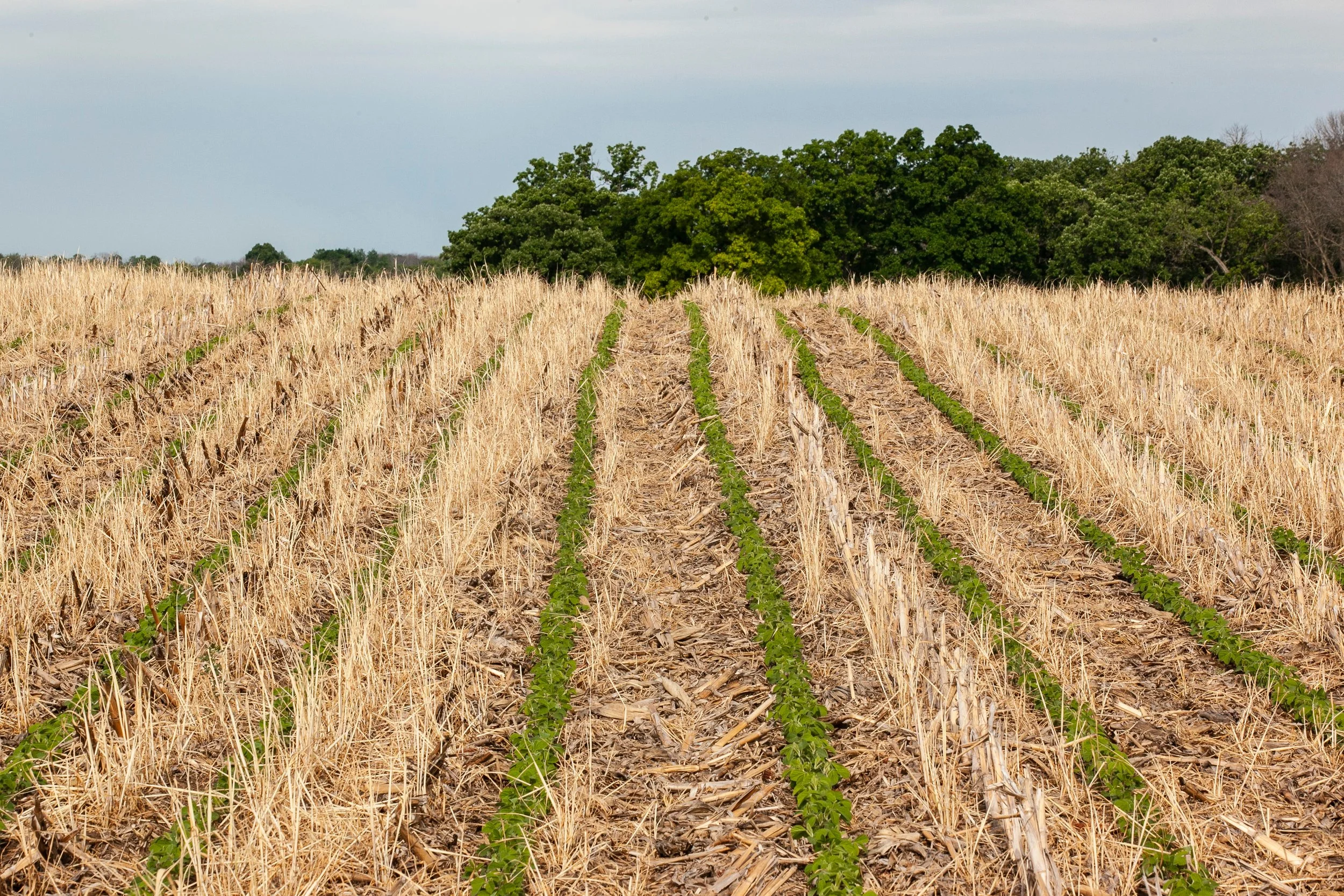
Crop growing on a field using residue from previous crop
Nurturing the "Underground City"
By avoiding the plough, we allow soil organisms to build a complex structure called aggregates. Think of these as a house with walls and rooms; it's a bustling city down there! These "rooms" or pores allow the soil to:
Absorb and store more water: This helps our crops survive droughts and plays a vital role in preventing local flooding.
Prevent compaction and surface crusting: This makes it significantly easier for new sprouts to grow deep, healthy roots.
Build organic matter: The activity of these organisms naturally increases the long-term fertility and structure of our fields.
A Win for the Environment and the Community
Our commitment to no-till farming provides benefits that extend far beyond our fence lines:
Cleaner Air: Because there is no ploughing, significantly less airborne dust is created, helping everyone in our community breathe easier.
Erosion Control: Leaving plant residue on the surface shields the earth from the damaging impacts of wind and rain.
Water Conservation: This surface residue also limits evaporation, keeping essential moisture in the ground for plant growth.
Biodiversity: Our fields are teeming with life. The leftover crop residue is a vital source of carbon, providing energy for the soil food web. This results in more beneficial insects, earthworms, and a larger, better-balanced microbial community that can even resist disease outbreaks naturally.
Efficiency and Resilience
For Agriton Farm, this transition is also a smart business move. We have seen a reduction in labour, fuel, and machinery costs because we require fewer tillage passes. By improving how our soil functions, we are building a farm that is more resilient to the challenges of a changing climate, ensuring we can grow healthy crops even in the face of extreme weather.
For more expert advice contact our team at Agro-Vital: https://www.agro-vital.co.uk/
--------------------------------------------------------------------------------
RESEARCH:
Recent research from leading UK institutions highlights the complex relationship between no-till practices and soil functionality. Studies from Harper Adams University emphasize that agricultural traffic management is essential to prevent the compaction that often limits the benefits of reduced tillage. Rothamsted Research has indicated that while regenerative methods like no-till are vital for long-term sustainability, they may lead to temporary yield decreases as the "underground city" transitions to a more stable state. Findings from the University of Gloucestershire and the University of Greenwich confirm that no-till enhances water retention and builds microbial biomass, though results are highly dependent on specific soil textures. Collaborative work between Rothamsted and ADAS notes that while no-till increases surface-level organic carbon, the total carbon sequestration potential in England and Wales might be limited by the periodic need for rotational ploughing to control weeds. Furthermore, evidence reviews from the Office for Environmental Protection and technical guides from NIAB and SRUC underscore that combining no-till with cover crops and diverse rotations is the most effective strategy to address the primary UK soil threats of erosion and organic matter decline. Finally, reports supported by the Worshipful Company of Farmers argue that the future success of these systems depends on continued innovation in seed drill design and precision traffic control.
Research Paper Links:
Harper Adams University: Agricultural Traffic Management Systems and Soil Health
Rothamsted Research: New Long-Term Experiments on Regenerative Agriculture
University of Gloucestershire: Impact of No-Tillage on Water Purification and Retention
University of Greenwich: Effects of Tillage on Winter Wheat Productivity and Soil Fertility
Harper Adams / Worshipful Company of Farmers: Potential of “No-till” Systems for Arable Farming
Rothamsted Research / ADAS: The Potential to Increase Soil Carbon Stocks in England and Wales
Office for Environmental Protection (OEP): Sustainable Management of Soils in England Evidence Review
SRUC (Scotland’s Rural College): Minimum Tillage Technical Note
Cranfield University: LandIS - The Soils Guide
Interesting UK-Based Resources
Groundswell Agriculture: Known as the UK's leading regenerative agriculture festival, providing a wealth of information on no-till and soil health.
AHDB (Agriculture and Horticulture Development Board) - Soil Health: Offers evidence-based research and practical guides for UK farmers on improving soil biology and structure.
The Soil Association: A UK charity providing resources on sustainable farming practices and the benefits of maintaining healthy soil ecosystems.
Nature Friendly Farming Network (NFFN): A group of UK farmers passionate about sustainable farming that works alongside nature.