DEFRA: Farming rules shake-up to cut pollution and support farmers
Navigating the New Farming Rules: Streamlining Regulation for a Sustainable Future
The landscape of agricultural regulation in England is undergoing a significant transformation. On 27 January 2026, the government announced a major shake-up of farming rules designed to tackle water pollution while providing better support for the farming community. At Agriton, we believe that staying ahead of these changes is vital for your business resilience, and these new proposals aim to replace complexity with clarity.
Simplifying the Rules for Farmers
One of the most welcome aspects of this announcement is the commitment to simplify existing agricultural water rules. For too long, farmers have navigated a maze of duplicating regulations. The government’s new approach seeks to cut this red tape, making it easier for you to understand your obligations and focus on what you do best: growing food sustainably.
By streamlining these guidelines, the Department for Environment, Food & Rural Affairs (Defra) aims to give farmers more confidence in their operations while simultaneously driving down pollution levels.
A Focus on Advice and Partnership
The government has signaled that its strategy for reducing pollution is rooted in advice and partnership rather than just enforcement. Key highlights of this support-led approach include:
Increased Inspections: Funding has been introduced to double the number of advice-led inspections, with a target of at least 6,000 per year by 2029.
Financial & Technical Support: These clearer rules will sit alongside existing frameworks like the Environmental Land Management (ELM) schemes, the Catchment Sensitive Farming programme, and targeted infrastructure grants.
Long-term Resilience: The goal is to help farm businesses reduce their environmental footprint while strengthening their long-term economic viability.
Protecting Our Waterways
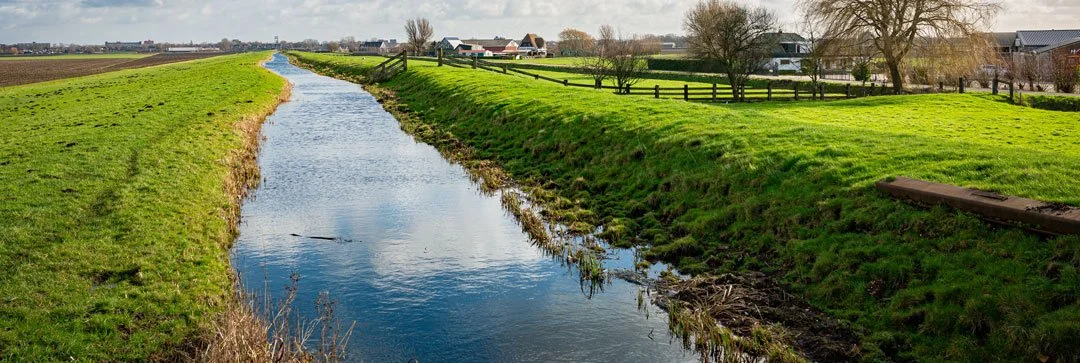
This move comes at a critical time, as 41% of England’s rivers, lakes, and streams are currently impacted by agricultural pollution. A major part of the new proposal includes tighter controls on the spreading of sewage sludge on farmland. The Environment Agency is advocating for moving sludge use under Environmental Permitting Regulations to ensure it is recycled safely and sustainably, protecting both human health and the environment from harmful contaminants.
Practical Tools for Compliance: EM-slurry and Actiferm
As the government moves toward stricter standards for water quality and ammonia reduction, nature-based solutions become essential tools for compliance. Agriton offers specific solutions to help you meet these tightening standards:
EM-Slurry for Slurry Management: Using EM-Slurry helps stabilise nutrients within your slurry. Promoting beneficial fermentation reduces the risk of harmful runoff and ammonia emissions, directly supporting the government's goal of protecting our rivers and streams.
Actiferm for Bedding & Bokashi: Actiferm can be used in animal bedding to initiate the Bokashi process—a method of fermenting organic matter. This turns bedding into a high-quality soil amendment that enhances soil biology and nutrient retention, making it easier to comply with simplified water rules while boosting long-term farm resilience.
A Proactive Path Forward
These regulatory changes are part of a major overhaul to transform Britain's water system. By adopting proactive management tools like EM-Slurry and Actiferm, you can ensure your farm is ready for the upcoming advice-led inspections and contribute to a cleaner, more sustainable agricultural future.
To read the full details of the announcement and the proposed regulatory changes, you can view the official press release here: Farming rules shake-up to cut pollution and support farmers.