
Stop losing nutrients & start building fertility.
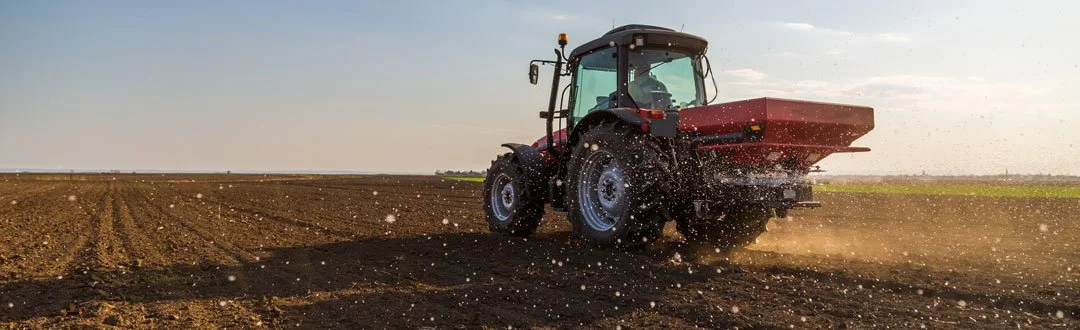
Rising fertiliser costs are forcing farmers to rethink nutrient management.
Middle East fertiliser disruptions have sharply raised prices this spring, leaving many farms struggling to afford essential inputs.
According to Rabobank’s semiannual fertiliser outlook, global nitrogen demand is expected to decline significantly in 2026. Farmers are already responding by reducing application rates, delaying purchases and adjusting crop choices in an effort to manage rising costs.
But this is more than a short-term reaction to price volatility. It signals a deeper shift in how farms must approach fertility.
The hidden cost of reducing fertiliser use
Reducing fertiliser use protects cash flow in the short term, but often incurs a cost. Reduced nitrogen inputs can limit crop performance, lower yields and ultimately impact profitability. At the same time, inconsistent nutrient supply can weaken plant resilience, making crops more vulnerable to stress, disease and poor growing conditions.
This creates a difficult balancing act. spend more on inputs and risk margins, or reduce inputs and risk margins. Either way, the system remains dependent on external fertiliser markets that are increasingly volatile and unpredictable.
Why input dependency is the real risk
The current fertiliser situation highlights a fundamental issue within modern farming systems: reliance on imported nutrients. When fertility is something that must be purchased each season, farms are exposed to global supply disruptions, price shocks, and geopolitical instability.
This leaves little control at the farm level.
The alternative is not simply to reduce inputs, but to use them more efficiently and, crucially, to retain more of the nutrients already present within the system.
Because every farm already produces a valuable resource that is often underutilised, organic matter.
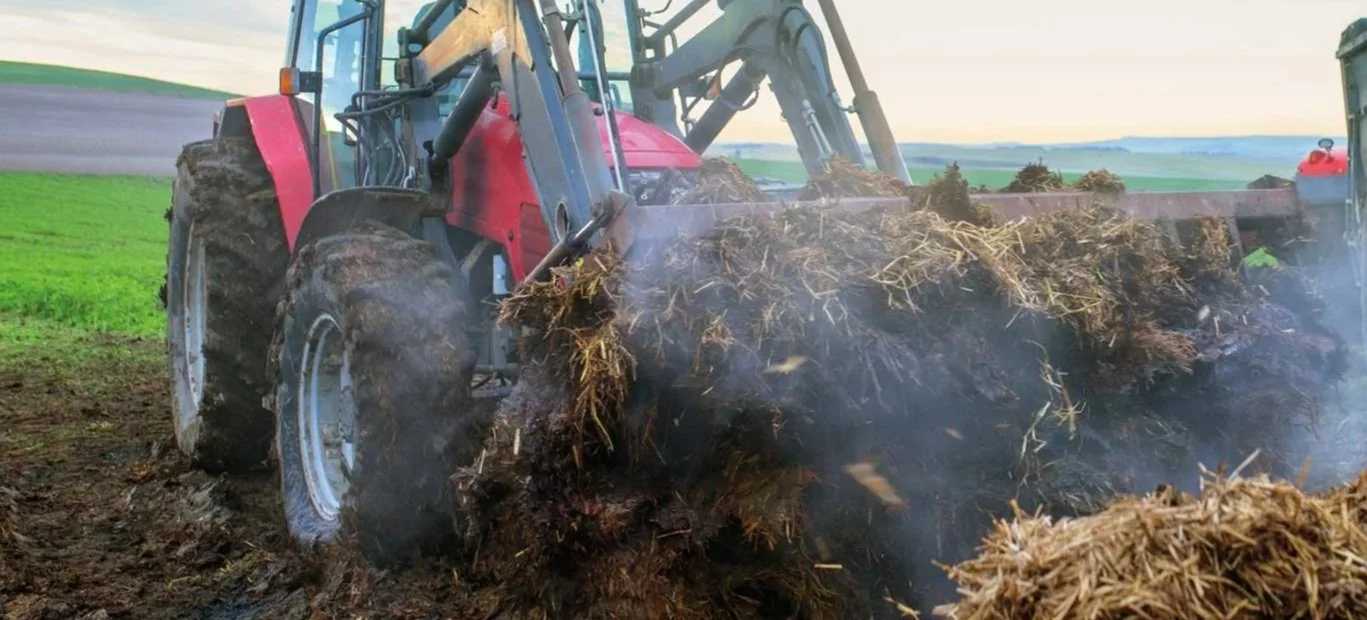
From waste to resource, unlocking the value of organic matter
Manure, slurry, and farmyard waste contain significant levels of nutrients, but without proper management, much of this value is lost.
Traditional storage methods allow nitrogen to volatilise, carbon to escape, and harmful bacteria to proliferate. The result is a less stable, less effective fertiliser that delivers inconsistent results in the field.
This is where a different approach is needed, one that focuses on preserving and enhancing what is already there.
How Bokashi transforms nutrient efficiency
Bokashi offers a fundamentally different way to manage organic matter.
Rather than allowing waste to decompose and lose value, bokashi uses beneficial microorganisms to ferment organic material. This process stabilises nutrients, reduces losses and creates a more biologically active end product.
Instead of nutrients escaping into the atmosphere or leaching away, they are retained in a plant-available form within the material.
The result is not just a fertiliser substitute, but a more efficient nutrient cycle.
Building fertility instead of buying it
By adopting bokashi-based systems, farms can begin to shift away from input dependency towards a more resilient, self-sustaining model.
Key benefits include:
improved nutrient retention in manure and slurry
reduced reliance on purchased fertiliser
enhanced soil biology and structure
more consistent crop performance
greater resilience to input price volatility
This approach does not necessarily eliminate the need for fertiliser, but it significantly reduces reliance on it, while improving the efficiency of every unit applied.

Normal compost in comparison with Bokashi.
A more resilient future for farming
With fertiliser prices expected to remain high and volatile, the pressure on farm profitability is unlikely to ease in the near term.
The farms that will be best positioned to adapt are those that take back control of their nutrient systems, focusing on efficiency, biology and long-term soil health.
Bokashi is not just a tool; it is part of a broader shift towards resilient farming systems where fertility is built from within, not bought from outside.
Conclusion
Rising fertiliser costs are forcing difficult decisions across the industry, but they also present an opportunity.
An opportunity to rethink how nutrients are managed, how waste is valued and how resilience is built into the farming system.
By focusing on nutrient retention, biological processes and on-farm resources, farmers can reduce dependency on external inputs and create a more stable, profitable future.