
Making the most of what you have Part 2: Look after your slurry
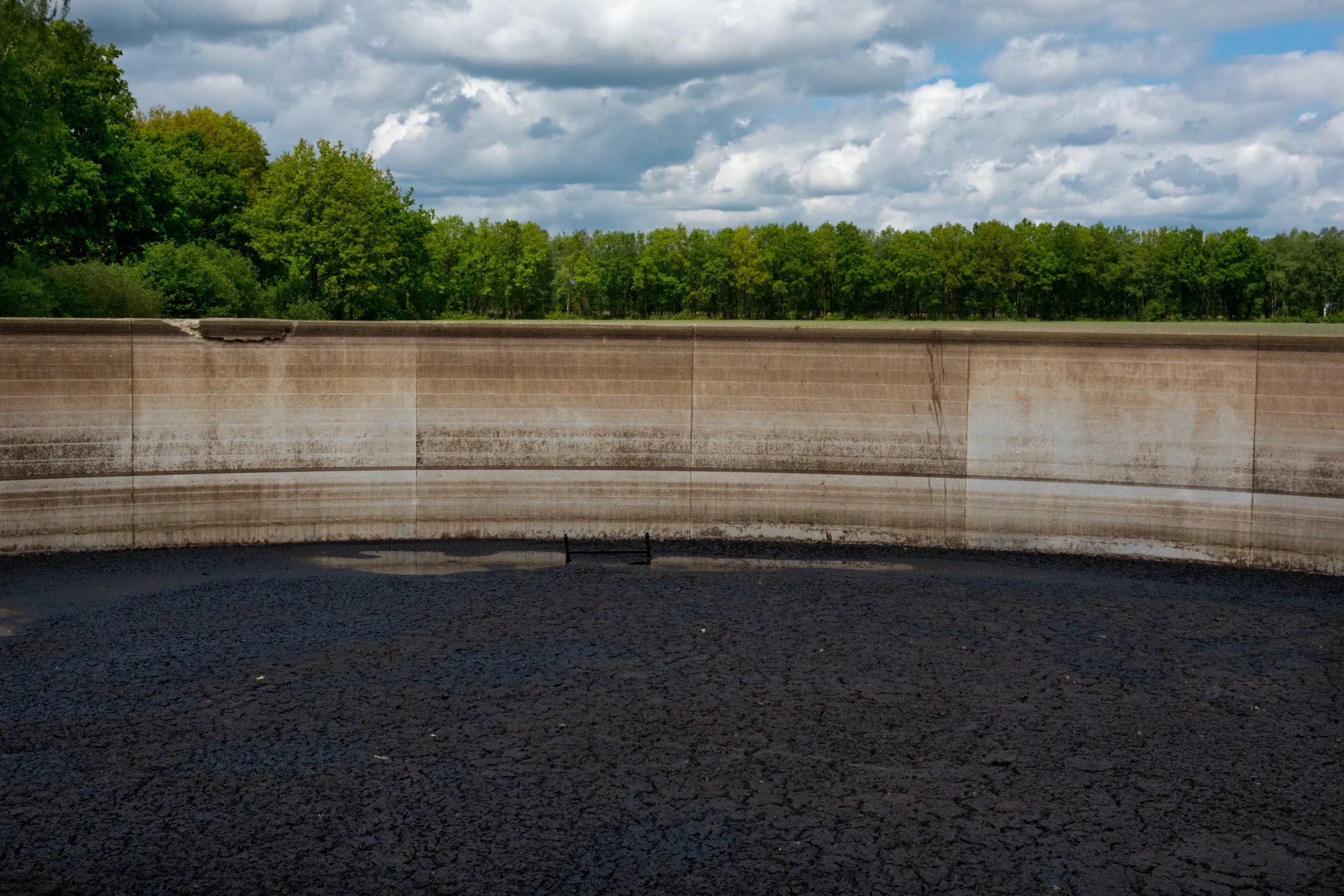
A crusted slurry pit
Turning "Waste" into Liquid Gold: Why Your Slurry Might Be Underperforming
Slurry is one of the most valuable fertiliser resources on a livestock farm, yet across the UK, a significant amount of its potential is still being lost. In many systems, slurry is applied but not fully utilised by the soil or the crop, leading to wasted nutrients, increased costs, and environmental losses. The good news? It’s usually not because the slurry is “bad,” but because of how it’s handled, stored, and applied.
Here is how you can tighten the "weak points" in your system and turn your slurry into a high-performing asset.
1. Timing is Everything
The biggest factor in slurry efficiency is timing. If you spread in autumn or winter when plants are dormant, uptake is low or non-existent. This leads to nitrate leaching into groundwater and surface runoff into watercourses. To get the best response, you need to match application to crop demand.
2. Watch the Weather and Soil Conditions
The UK climate presents a real challenge. Applying slurry to waterlogged ground leads to poor infiltration and rapid nutrient loss during rain events. Furthermore, heavy tankers on wet soil cause compaction and poaching, which further restricts the soil's ability to "breathe" and process nutrients.
You also need to watch out for ammonia loss to the atmosphere—an invisible but major nitrogen drain. This is at its worst when slurry is surface-applied in warm or windy conditions.
3. Upgrade Your Application Method
While technology is improving, the splash plate is still the least efficient method, often leading to uneven distribution and high nitrogen losses. Moving to dribble bars, trailing shoes, or injection systems significantly improves nutrient retention and reduces odour.
4. The Biological Boost: Effective Microorganisms (EM)
One way to improve slurry quality during storage is through the use of Effective Microorganisms (EM). These products contain beneficial microbes like lactic acid bacteria and yeasts that shift the microbial balance of your store.
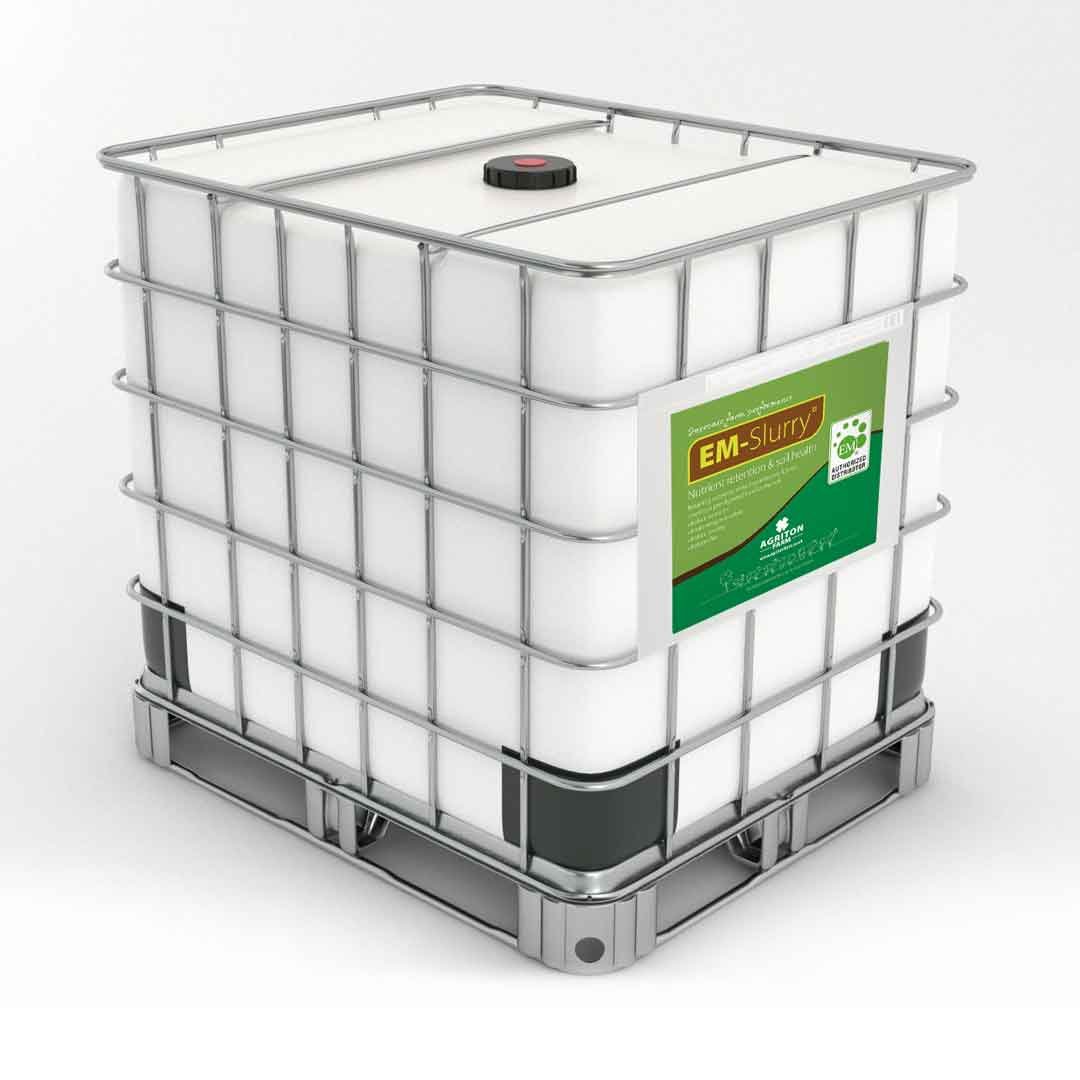
Key benefits include:
Improved Stability: Reduced "putrefactive" (decay) processes mean a more stable, less odorous slurry.
Better Handling: Farmers report reduced crusting and better consistency, making the slurry much easier to mix and apply.
Enhanced Nutrient Availability: EM helps break down organic matter so nutrients remain in plant-available forms.
Soil Health Support: When this biologically active slurry hits the field, it helps stimulate soil microbial activity, accelerating the nutrient cycling that is so vital for healthy rangelands.
5. Staying Within the Rules (NVZs)
Don’t forget that 55% of land in England is now in a Nitrate Vulnerable Zone (NVZ). These zones have strict rules on timing and quantity limits to prevent pollution. While these restrictions can sometimes feel like they force application at suboptimal times, staying compliant is essential to avoid penalties and protect local water quality.
Regardless of whether you are in an NVZ, all farms must follow the Farming Rules for Water to prevent pollution.
The Bottom Line
Improving slurry management is one of the fastest ways to increase your farm’s nutrient efficiency and reduce your dependency on expensive purchased fertilisers. By focusing on better storage, smarter timing, and biological health, you ensure your slurry behaves like a fertility boost rather than a loss pathway.
--------------------------------------------------------------------------------
External Knowledge Bases & Further Reading
AHDB Nutrient Management Guide (RB209) – Best practice for slurry application and nutrient planning.
UK Government: Nitrate Vulnerable Zones (NVZs) – Official guidance on rules, designations, and appeals.
Environment Agency: Agricultural Pollution Prevention – How to stay compliant with Farming Rules for Water.
FAO: Manure Management Overview – Global insights into sustainable livestock and nutrient cycling.
UK Centre for Ecology & Hydrology (UKCEH) – Data and research on ammonia emissions and environmental impact.