Making the most of what you have: Part 1
Transforming "Waste" into Your Farm’s Most Resilient Asset
Introduction: Adapting to the New Climate Reality
For those of us who have spent decades watching the seasons shift, the emerging weather patterns are becoming all too familiar and increasingly difficult to manage. We are seeing a consistent trend of saturated, wet winters followed by sharp, dry springs. This "one-two punch" is devastating for crop physiology; the wet winters lead to shallow, poorly developed root systems, and when the moisture disappears in the spring, those crops simply cannot reach the water or the nutrients they need to survive. They hit a "wall" just when they should be taking off.
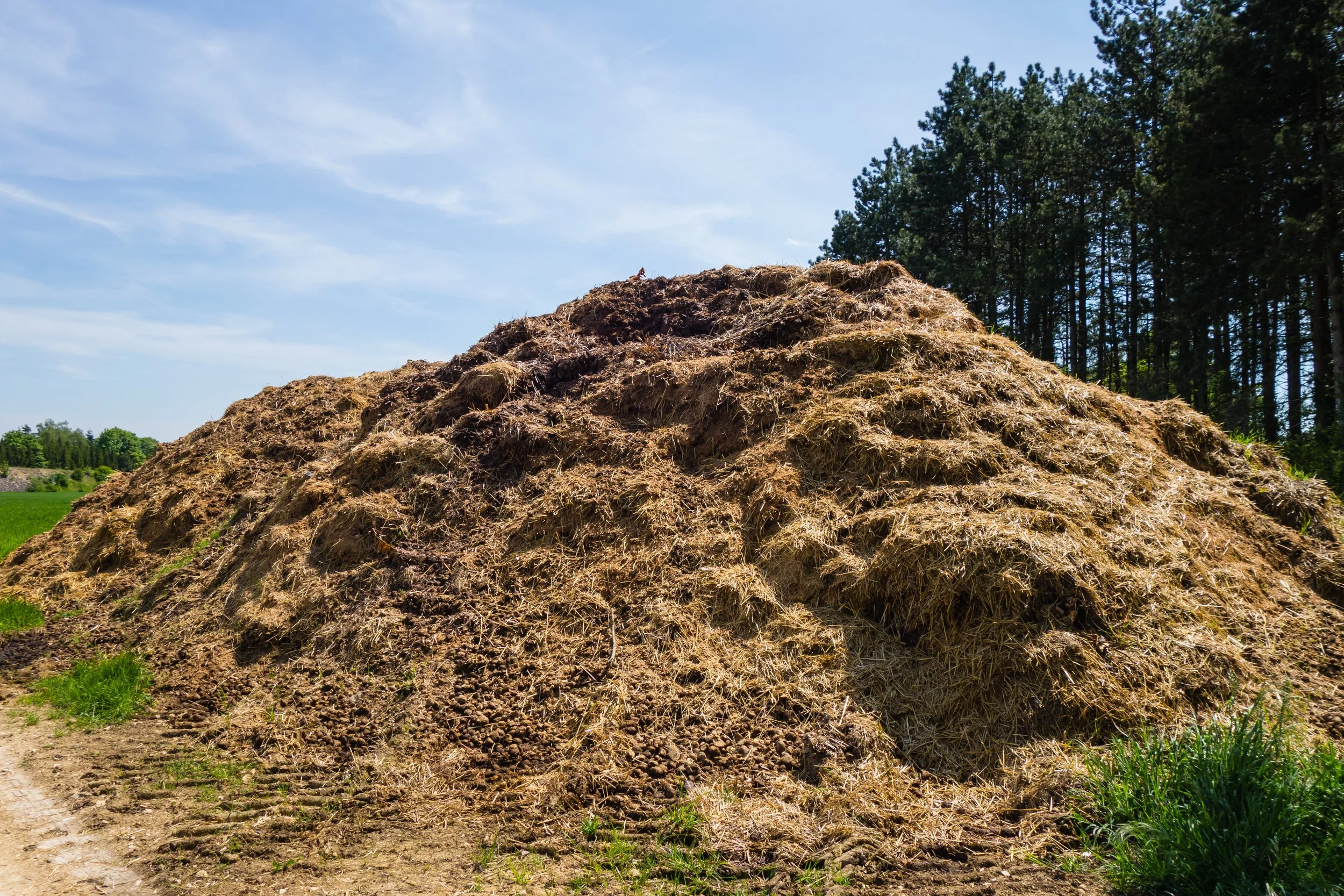
In this environment, we have to rethink our approach to soil management. It is time to stop viewing livestock manure as a logistical headache or an environmental liability and start treating it as the most valuable resource on the yard. As synthetic fertiliser prices fluctuate and environmental pressures mount, "muck" is becoming climate gold. However, to truly "make the most of what you have," you cannot simply manage manure the old way. You need a system that preserves every ounce of its value. This is where the biological power of EM® (Effective Microorganisms) and Actiferm comes into play through the process of Bokashi fermentation.
Discussion: The Biological Upgrade from Slurry to Bokashi
Traditional slurry management often carries a "heavy environmental burden". When manure sits in a pit or a traditional aerobic compost pile, it undergoes putrefaction; essentially rotting. During this process, you are literally watching your money disappear into the atmosphere as greenhouse gases, such as ammonia, or watching it wash away into local watercourses as nutrient-rich runoff. This not only wastes the nitrogen you need for your crops but also increases the risk of local pollution and negative impacts on your soil health.
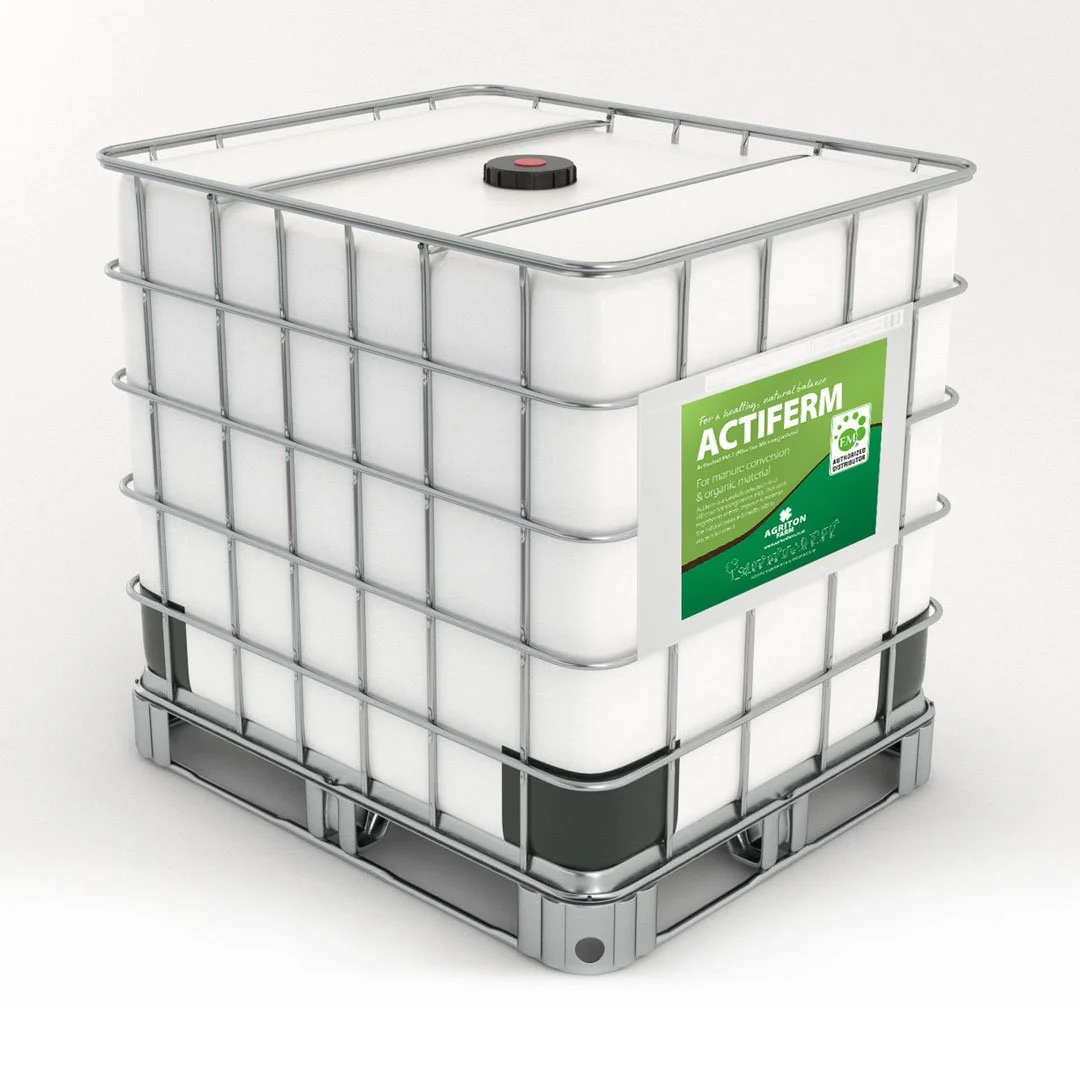
By introducing EM® and Actiferm into your system, you shift the biology from rotting to anaerobic fermentation. This is the core of the Bokashi method. Rather than losing nitrogen to the air, these beneficial microbes "lock in" essential nutrients and key elements within the organic matter. The fermentation process suppresses ammonia and halts putrefaction, which significantly reduces the pungent odours and fly populations that usually plague manure storage.
But the benefits go beyond just smell and storage. Because Bokashi is a fermented product, the nutrients are held in bioavailable forms. When you spread this on your fields, the nutrients are ready for the plants to take up immediately, which is crucial during those dry spring spells when poorly rooted crops are struggling to scavenge for food. Furthermore, you are adding "extra life" to the soil—microbial activity that builds soil structure and increases its capacity to hold onto moisture. This biological resilience is what allows a crop to keep growing while others are shutting down due to stress.
Practicality, Logistics, and the Regulatory "Paper Trail"
I know what most of you are thinking: "I don't have time for more work on the yard." It is true that hauling, storing, and spreading manure takes a lot more effort than turning a tap on a liquid fertiliser tank. However, the Bokashi system is designed to be as practical as possible for a working farm. It is highly adaptable and can be integrated into your existing slurry pits, deep litter systems, or Farmyard Manure (FYM) stacks.
One of the greatest operational advantages of using Actiferm is that the fermented manure becomes stable and ready for soil incorporation much sooner than traditionally managed waste. It is also practical to store in bunkers and can be spread using your normal farming equipment; you don’t need a specialised fleet to see the benefits.
We must also address the "regulatory burden". The Environment Agency is conducting more frequent inspections, and they are looking closely at how muck is handled. Under the Farming Rules for Water, you now have to justify a "crop need" for every application, documented in a formal nutrient management plan. Because Bokashi fermentation reduces leaching and runoff, it makes it much easier to demonstrate that you are applying a stable, nutrient-dense amendment that stays where you put it, rather than a raw waste product that risks polluting local water.
Conclusion: Improving the Bottom Line by Focusing on the "Poorest Parts"
At the end of the day, every farm has those "poor parts"—the fields or corners that never seem to pull their weight and drag down the average yield. The easiest and most effective way to improve your overall gross margins is not by trying to squeeze a few more kilos out of your best land, but by making your poorest land better.
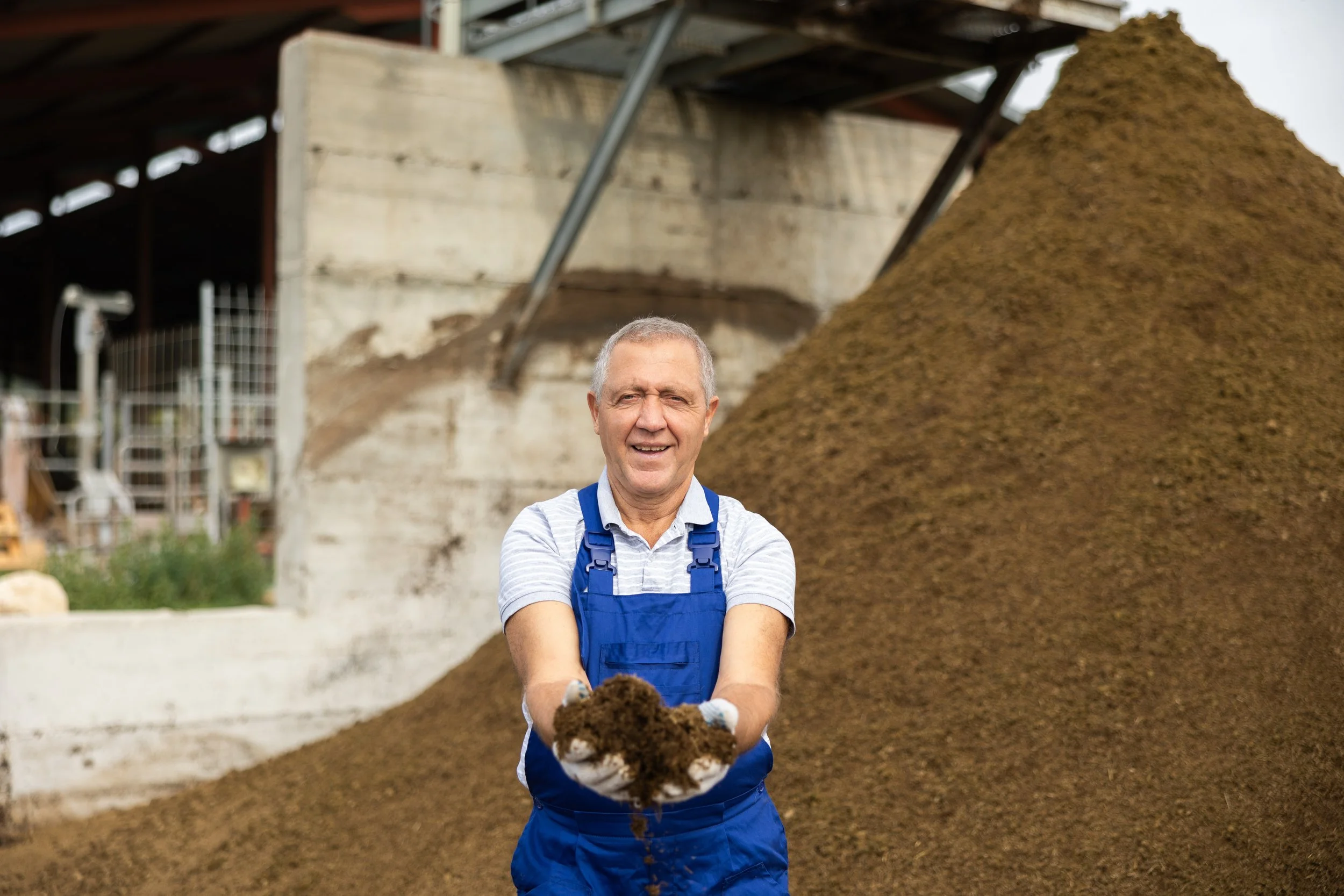
By using EM® and Actiferm to create a high-quality Bokashi compost, you are arming yourself with a tool that improves soil organic matter, moisture retention, and microbial life. When the nutrient content is fully considered, this treated muck often proves to be much better value for money than synthetic alternatives. It is a long-term investment in your farm's resilience. By "making the most of what you have" in the yard today, you are ensuring that your crops—and your margins—can withstand whatever the climate throws at them tomorrow

NL show what happens when surry rules tighten
Farmers weekly: Opinion: Muck will become more valuable as the climate changes