Salmonella outbreak exposes a deeper weakness in poultry systems
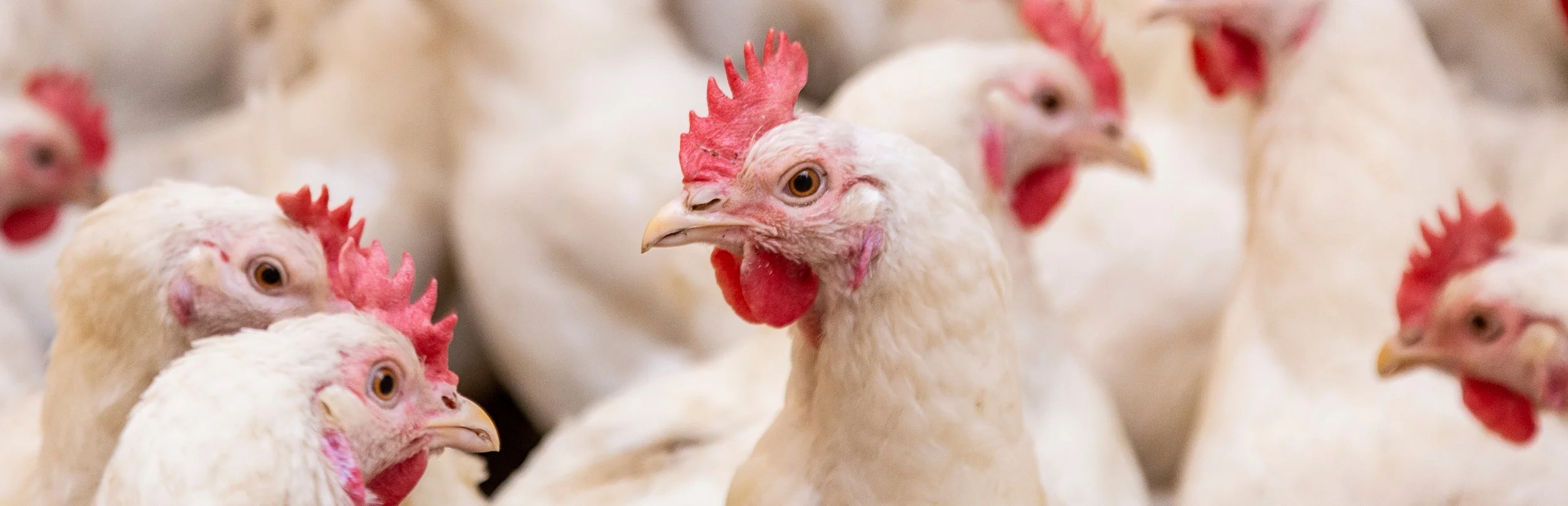
A recent outbreak of Salmonella Typhimurium at a poultry hatchery operated by Joice and Hill Poultry has triggered restrictions, disruption, and concern across the sector.
According to Farmers Weekly, the incident is already raising concerns around chick supply, with potential knock-on effects for producers awaiting pullet deliveries in the coming months.
Read the full article here: Hatchery salmonella outbreak raises supply concerns
On the surface, this looks like a contained incident.
One positive sample.
Rapid response.
Precautionary shutdown.
But the real story runs deeper.
This isn’t just about Salmonella
Modern poultry systems are built for efficiency:
centralised hatcheries
tight production cycles
high stocking densities
That efficiency comes at a cost. Systems become highly sensitive to disruption
As highlighted in the Farmers Weekly report, even low infection levels can still lead to supply disruption across the sector.
When a pathogen like Salmonella appears, even at low levels, the consequences spread quickly:
delayed chick supply
disrupted production schedules
increased on-farm pressure
This isn’t a failure of biosecurity.
It’s a sign that the system itself lacks resilience.
The hidden gap: what happens after disinfection
The standard response is clear:
clean
disinfect
contain
restart
But disinfection creates something rarely talked about:
A microbial vacuum and nature doesn’t leave vacuums empty for long.
Where Agriton fits
Agriton’s approach doesn’t replace biosecurity — it strengthens what comes after it.
By working with microbial systems, not against them, farms can:
support a more stable microbial environment
reduce the conditions that allow harmful bacteria to dominate
improve consistency in bird performance
Using effective microorganisms (EM) alongside mineral-based solutions helps:
establish competitive microbial populations
improve litter condition and reduce ammonia
support early-life microbial balance
The goal is not elimination - it’s balance
Why this matters more than ever
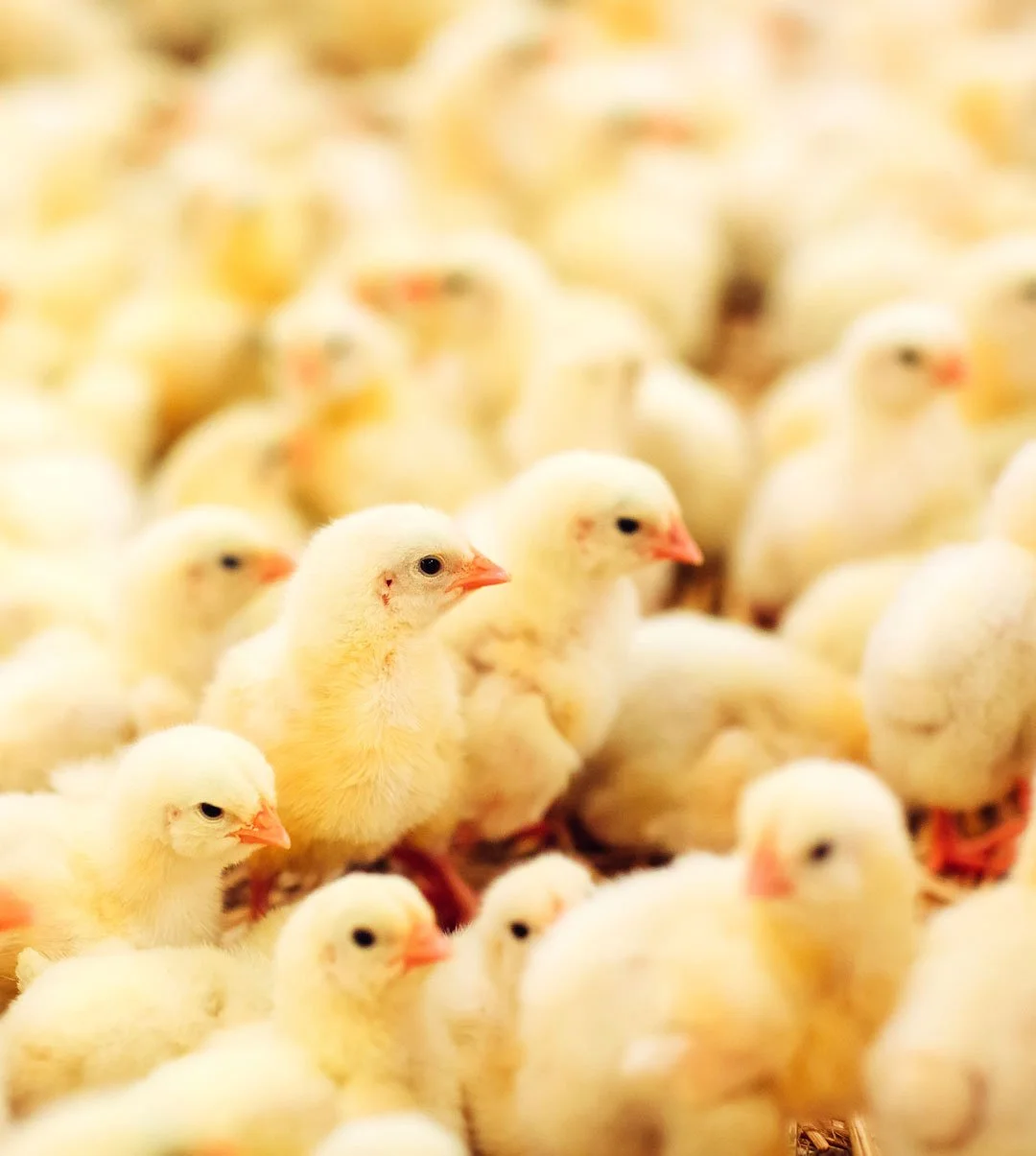
Day-old chicks are one of the most vulnerable points in the system:
undeveloped microbiome
high stress
rapid exposure to environmental microbes
As this outbreak shows, even small disruptions at this stage can ripple through the entire supply chain.
A more resilient way forward
You can’t control every pathogen but you can control how your system responds
Farms that focus only on elimination will always be reacting.
Farms that focus on microbial balance start to reduce the likelihood of disruption in the first place.
The Agriton view
Resilience in livestock systems doesn’t come from sterility, it comes from stability