Make the most of what you have Part 3: Good Silage or Great Silage
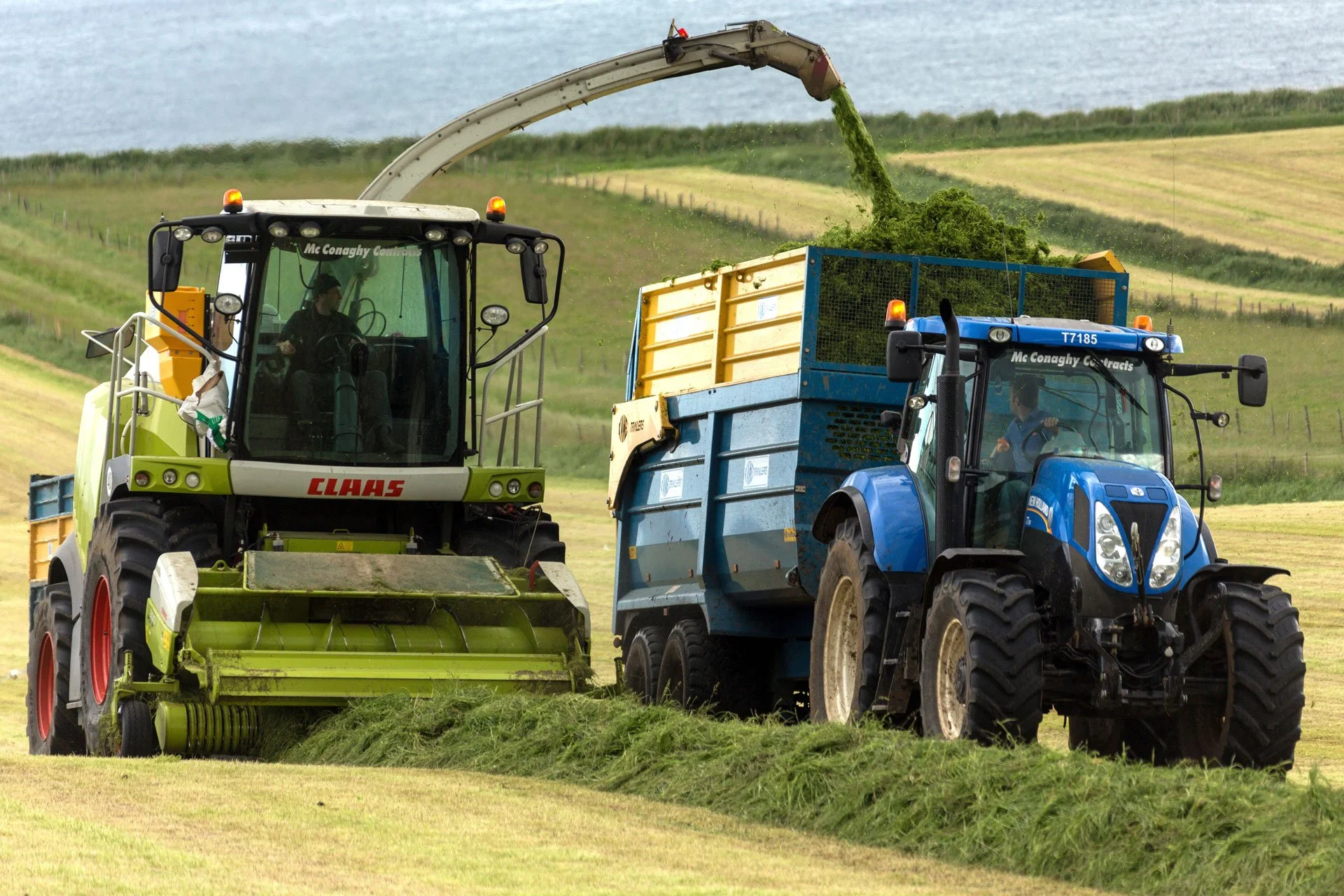
EM Silage: improving forage fermentation naturally for better feed, less waste, and stronger farm resilience
Across UK livestock systems, silage remains one of the most important feed sources on farm. Yet many farmers still face the same challenges every season: inconsistent fermentation, heating at the clamp face, dry matter losses, and variable feed quality.
These issues are rarely about grass quality alone. More often, they come down to what is happening at a microbial level during fermentation.
This is where effective microorganisms (EM) can make a measurable difference.
What is EM Silage?
EM silage is a forage inoculation approach that uses a carefully balanced blend of naturally occurring beneficial microbes, primarily:
lactic acid bacteria
yeasts
other supportive fermentative organisms
Instead of relying on uncontrolled natural fermentation, EM introduces a dominant population of beneficial microbes at the point of ensiling.
The aim is simple: create a fast, stable, and predictable fermentation environment.
EM Silage has OF&G Certification
Why fermentation matters so much
Good silage is not just “preserved grass”. It is the result of a controlled biological process.
When fermentation is unstable, farmers typically see:
slower pH drop
increased spoilage organisms
heating when exposed to air
losses in sugars and proteins
reduced palatability and intakes
When fermentation is controlled, the opposite happens:
rapid pH stabilisation
better nutrient preservation
improved aerobic stability
cleaner feed out at the clamp face
EM works by accelerating and guiding this biological process in the right direction.
How EM silage works in practice
When applied at harvest, EM helps to:
dominate undesirable bacteria early in fermentation
speed up lactic acid production
reduce protein breakdown (proteolysis)
stabilise the clamp more quickly
improve shelf life once the clamp is opened
In simple terms, it helps the crop ferment cleanly and predictably rather than leaving it to chance.
This can be particularly beneficial in variable UK harvesting conditions where dry matter and sugar levels are rarely perfect.
Benefits seen on farm
Farmers using EM-based silage inoculation systems commonly report:
reduced clamp heating
less mould and spoilage
improved feed consistency
better utilisation of homegrown forage
reduced waste at the face
improved animal performance linked to more stable intake
While results will always depend on crop, chop length, consolidation, and covering, the microbial environment is a key driver of outcome.
EM within a wider farm system
EM is not just a silage tool. It forms part of a wider biological approach to farming that includes:
slurry conditioning
bedding hygiene support
soil biology improvement
nutrient cycling efficiency
The principle is consistent across all areas:
support beneficial microbes to outcompete harmful processes and stabilise organic matter.
This links directly to slurry and manure systems where uncontrolled microbial activity often leads to nutrient loss, odour, and instability.
OF&G organic certification and EM use
Agriton UK operates within recognised organic standards and is certified by Organic Farmers & Growers (OF&G), one of the UK’s leading organic certification bodies.
OF&G is a government-approved organic control body that certifies farms and businesses across the UK organic sector and ensures compliance with UK organic regulations.
For farmers, this means:
confidence that inputs and systems meet organic standards
assurance that products are independently inspected
alignment with regulated organic production principles
support for transparent, traceable farming practices
EM-based systems are widely used in both conventional and organic-compatible farming approaches because they rely on natural microbial processes rather than synthetic chemistry.
Why this matters now
Farming is under pressure from:
rising input costs
nutrient loss regulations
environmental scrutiny
feed efficiency demands
climate variability at harvest
Improving fermentation efficiency is one of the most direct ways to:
protect homegrown feed value
reduce reliance on purchased feed
cut waste and emissions
improve whole-farm nutrient efficiency
Better silage is not just a feed issue. It is a system efficiency issue.
Summary
EM silage works by shifting fermentation in favour of beneficial microbes, helping farmers produce more stable, higher quality forage with fewer losses.
Combined with OF&G-certified standards and a wider focus on biological farming systems, it supports a more efficient, lower-waste approach to livestock nutrition.
Useful links
Organic Farmers & Growers (OF&G): https://ofgorganic.orgOF&G organic certification body
UK approved organic control bodies (DEFRA): https://www.gov.uk/guidance/organic-food-uk-approved-control-bodiesUK organic certification information