
Beyond the cough: Using lung scanning and better housing to prevent calf respiratory disease
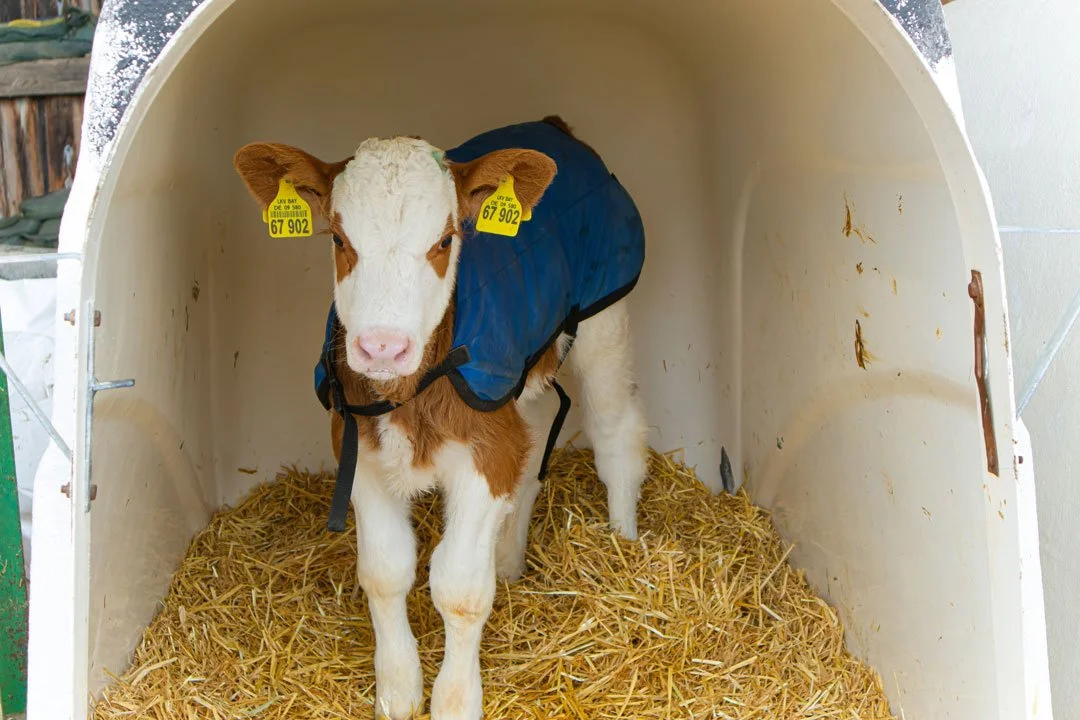
The challenge: BRD remains a major calf concern
Calf health remains a topic of high interest, and with increasing concerns over antimicrobial resistance more farmers are seeking preventative care.
Respiratory health issues, mainly Bovine Respiratory Disease (BRD) impact almost a third of UK dairy calves (RVC, 2025), posing a significant welfare concern and a leading cause of mortality on farm today.
What is BRD?
BRD is caused in the first instance, by viral airborne pathogens being inhaled, causing damage to lung tissue, often followed by bacterial pathogens such as Mycoplasma bovis which continue infection. These pathogens attack the vital defence mechanism of the respiratory track, damaging cilia (small hairs) that remove bacterial presence from airways. Multidrug resistance has been reported for commensal and potentially pathogenic bacteria associated with BRD (Booker and Lubbers, 2022) and a large volume of animals are being treated unnecessarily with antibiotics as those infections caused by viral pathogens will not benefit.
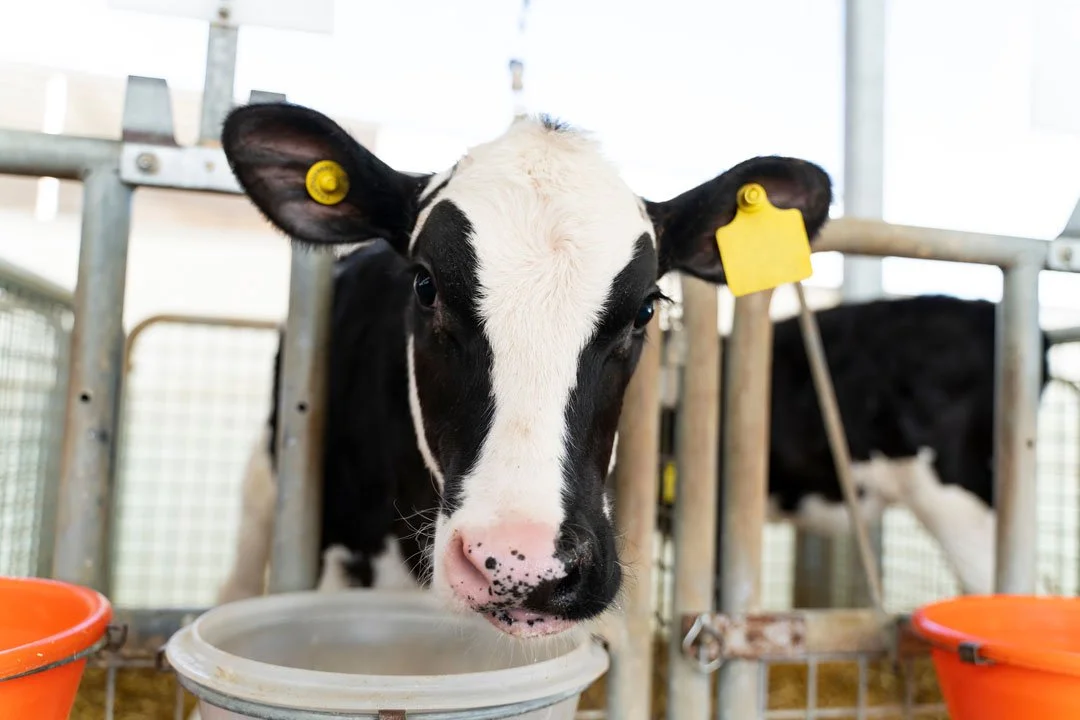
Challenges
Calves are extremely vulnerable post birth and in early pre-weaned stage due to an undeveloped immune system combined with stressors, exasperating (increasing) risk of disease. Reliance on visual symptoms alone is not guaranteed as several sick calves do not display obvious signs of disease and with a high incidence rate, it can become “normal” to hear coughing within calf pens. Main clinical signs include fever, increased respiratory rate and discharge (Cummings et al., 2022). Whilst mild infections go un-noticed, these calves will suffer in terms of growth and development and potentially impact their future in the milking herd (Buczinski et al., 2021).
Intervention is working: The role of lung scanning
A recent article in Farmers Weekly by David Jones looked at the benefits of lung scanning, leading to healthier calves. Peter O’Malley, Farmers Weekly 2025 Livestock award winner has been busy across Somerset performing lung scanning to improve diagnosis and treatment outcomes and states “picking up the disease early can lead to healthier calves, improved growth rates and have better long-term health outcomes”. Scanning is taking place on farms between 3-4 weeks and those with more than 1cm of lung consolidation are treated with one course of antibiotics, and repeat scannings a week later with further treatment, only if necessary. Vet Peter O’Malley states that this specific routine is seeing a cure rate of over 90%, highlighting that early intervention has resulted in fewer antibiotic usage.
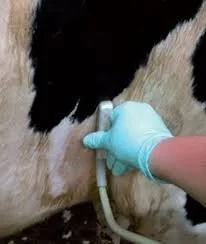
Preventative care intervention can significantly reduce antibiotic use on farm.
Beyond disease: The role of immunity and environment.
The prevalence of BRD on farm is influenced not only by pathogenic presence, but also the immune function of the host and the environment in which it lives. (see previous blog on immunity, and colostrum). A systematic review by Donlan et al. (2023) observed the presence of ammonia is likely to be a significant factor in the pathogenesis of BRD. Other findings confirm air quality, dust and endotoxin exposure (Van Leenen, K., et al., 2021) can also contribute to, and exacerbate infection.
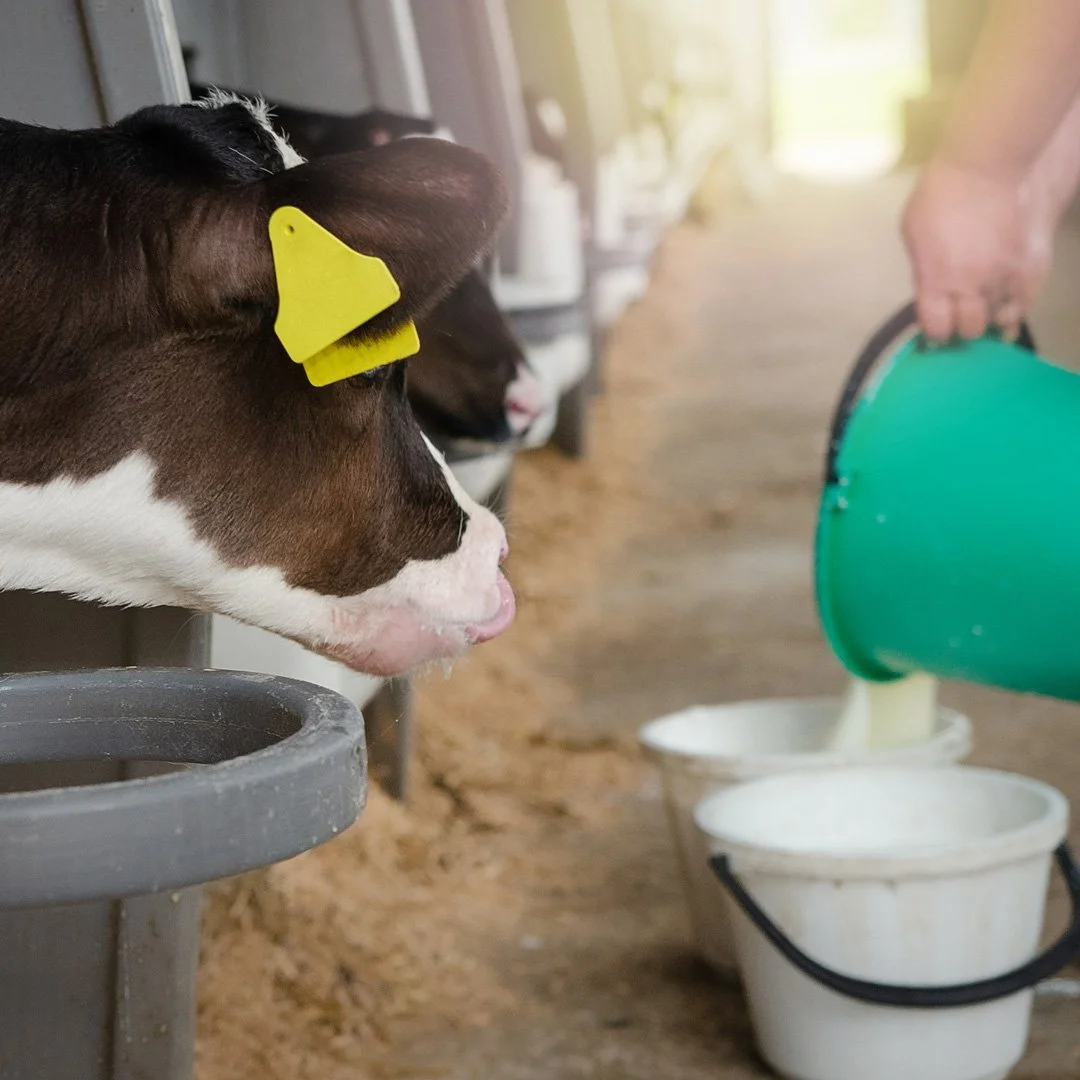
Colostrum is an essential tool to ensure growth, development and robust immune function. This can help combat stressors and pathogenic burdens.
Environmental drivers of respiratory disease
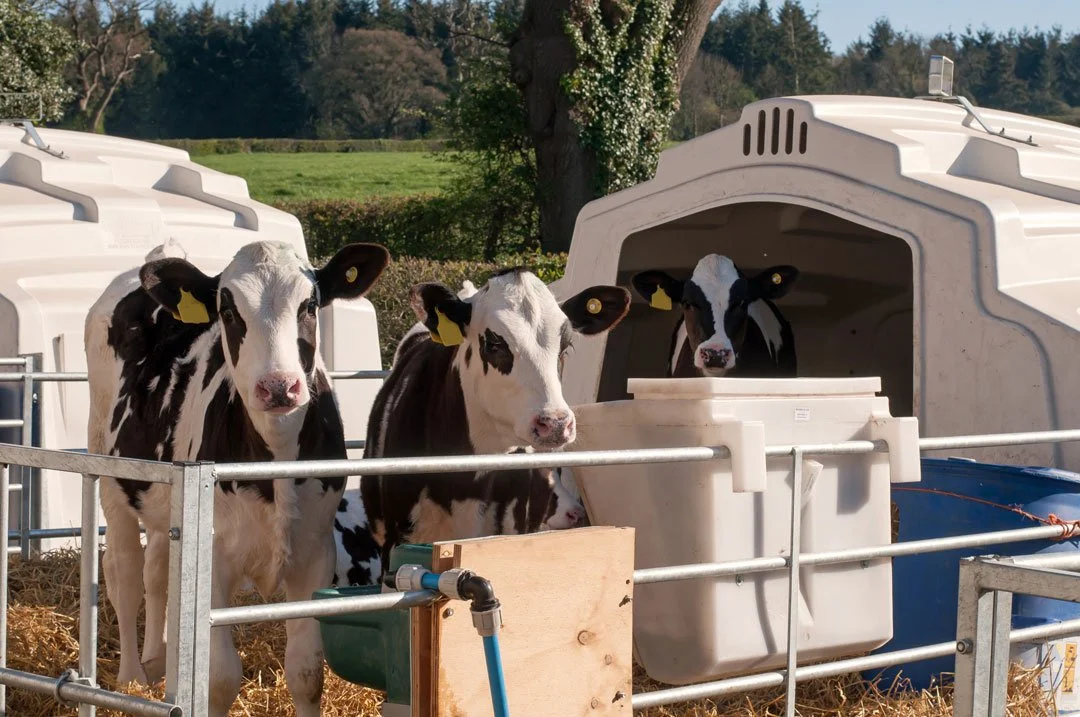
Measurable Environmental variables which should be assessed and managed effectively on farm include, but not limited to: Air quality, Humidity, Dust, and Ammonia. Housing should be adequately stocked, prevent nose-to-nose contact with other groups, specifically difference in age and there should be ventilation to circulate and improve air quality.
Preventing ammonia build up in calf housing
Ammonia is a volatile gas, potent and harmful**.
Creating a more acidic environment within calf sheds and housing can eliminate the loss of ammonia gas, by “dissolving” this within the moisture held within bedding to form ammonium, a less harmful and toxic form.
This increased acidity can reduce odours, pathogenic growth, flies and create a more hygienic environment for vulnerable young calves.
**(Urea – a form of non-protein nitrogen is excreted within urine. A specific enzyme, urease breaks down urea – releasing ammonia. By creating acidity within the bedding/barn, ammonia shifts towards ammonium, less volatile, and safer form.)

Ammonia is a toxic, volatile gas.
High levels of this in calf housing can contribute to the prevalence of respiratory disease.
Summary – A systems approach to respiratory health
A complex interplay of immunity, environment and pathogen exposure can result in multifactorial approach, intervention and treatment.
Applying best practice within sheds, creating hygienic surroundings, good air quality, ventilation and avoiding overstocking are strategies which can mitigate outbreaks. Adopting techniques such as thoracic scanning and microbial amendments can significantly improve long-term health outcomes whilst reducing reliance on antibiotics.
L Peddle
References
Bookers, C.W. and Lubbers, B.V. (2020). Bovine respiratory disease treatment failure: Impact and potential causes. Vet. Clin. North Am. Food Anim. Pract., 36 (2020), pp. 487-496 https://doi.org/10.1016/j.cvfa.2020.03.007s
Buczinski, S., Achard, D. and Timsit, E. (2021). Effects of calfhood respiratory disease on health and performance of dairy cattle: A systemic review and meta-analysis. Journal of Dairy Science, 104, pp 8214-8227. https://doi.org/10.3168/jds.2020-19941
Cummings, D.B., Meyer, N.F. and Step, D.L. (2022). Bovine respiratory disease considerations in young dairy calves. Vet. Clin. North Am. Food Anim. Pract., 38 (2022), pp. 93-105 https://doi.org/10.1016/j.cvfa.2021.11.007
Donlan, J.D., McAloon, C.G., Hyde, R., Aly, S., Pardon, B., and Mee, J.F. (2023). A systemic review of the relationship between housing environmental factors and bovine respiratory disease in pre-weaned calves – part 1: Ammonia, air microbial count, particulate matter and endotoxins. The veterinary journal, 300-302, https://doi.org/10.1016/j.tvjl.2023.106031