
What is Bokashi composting and how does it work for farmyard manure (FYM)
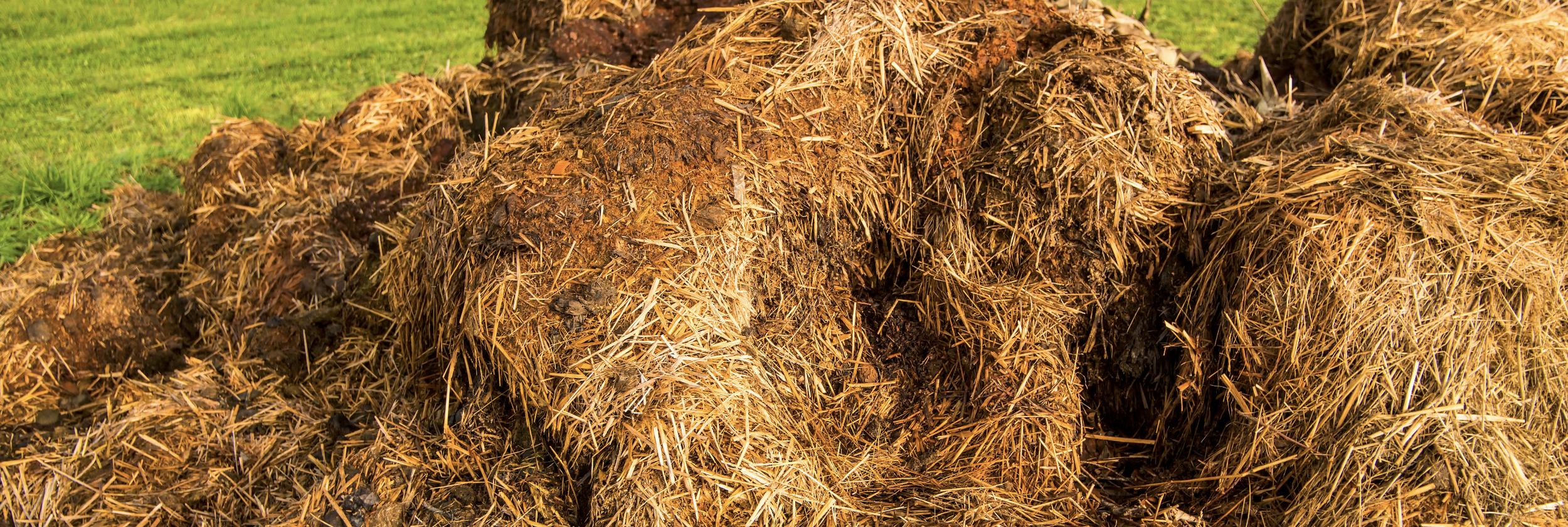
Managing organic waste on farms is an important part of maintaining soil health and sustainable agricultural practices. Livestock farms in particular produce large amounts of farmyard manure (FYM), which traditionally takes months to decompose before it can be safely applied to fields.
Bokashi composting offers farmers a faster and more efficient way to process farmyard manure and organic farm waste. Originally developed in Japan, this method uses beneficial microorganisms to ferment organic materials, transforming them into nutrient-rich soil amendments in a much shorter time compared to conventional composting.
Understanding Bokashi Fermentation for Farm Waste
Unlike traditional composting methods that rely on oxygen and slow microbial breakdown, Bokashi composting uses an anaerobic fermentation process. This means the organic material is broken down without exposure to oxygen.
In farmyard settings, Bokashi fermentation is commonly applied to materials such as:
Farmyard manure (FYM)
Livestock bedding materials (straw, hay, sawdust)
Crop residues
Spoiled feed and organic farm waste
The process involves mixing these materials with Actiferm (activated effective microorganisms EM®), a microbial inoculant containing beneficial microorganisms, such as lactic acid bacteria and yeast. These microbes begin fermenting the organic matter, preserving nutrients while preventing the growth of harmful bacteria.
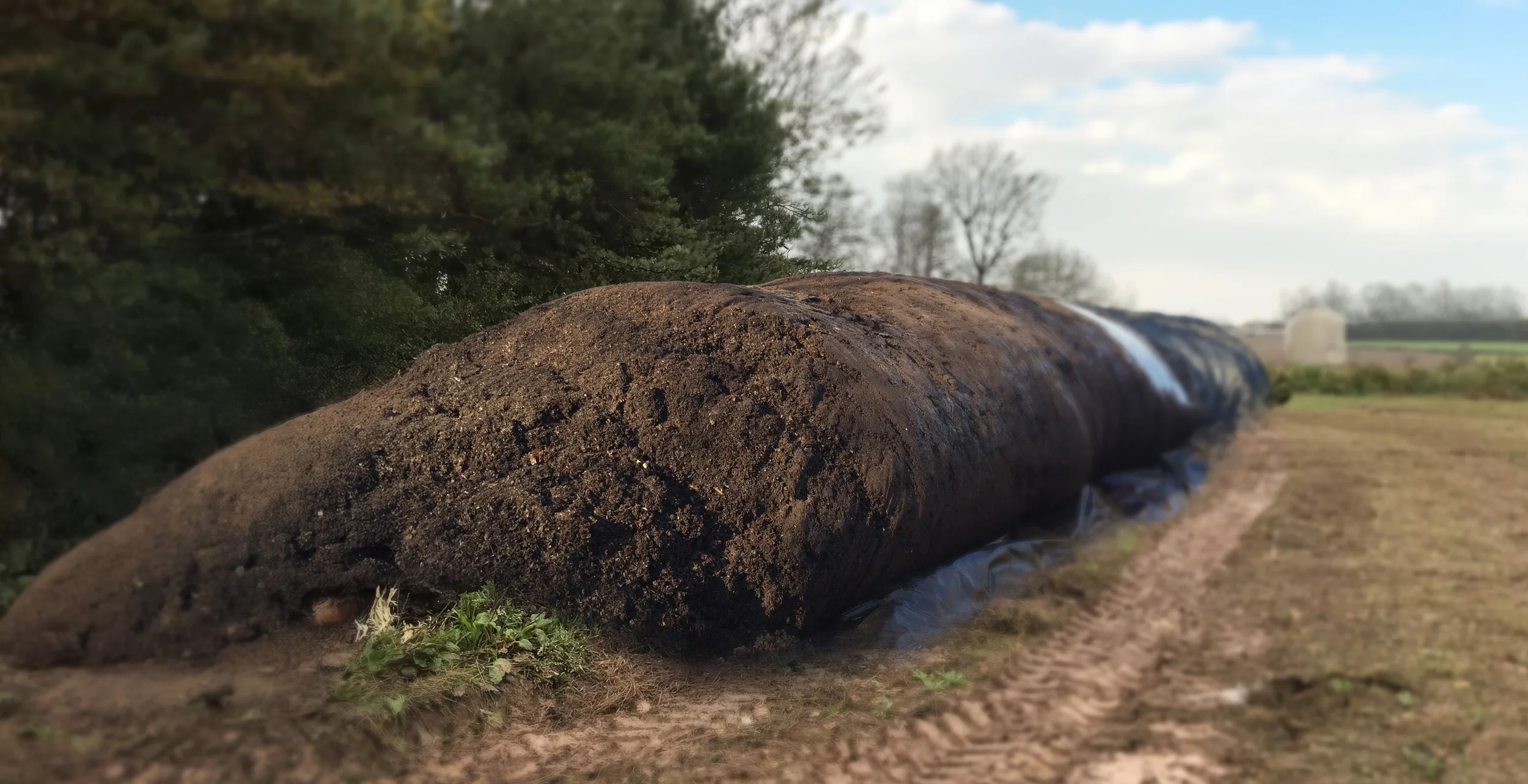
The treated material is usually stored in covered piles, pits, or containers to maintain the oxygen-free environment needed for fermentation.
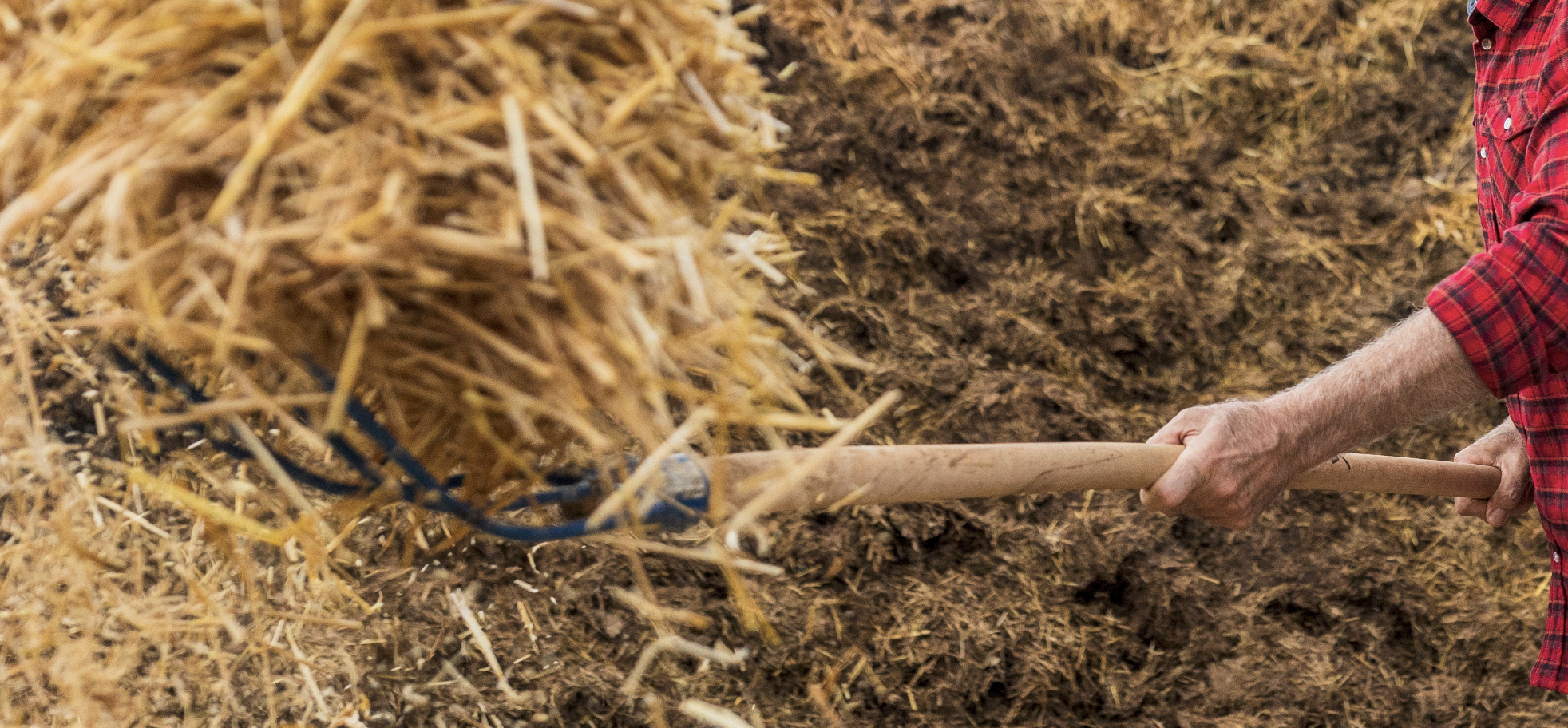
Why Farmers Are Using Bokashi for FYM
Bokashi composting is gaining attention in agriculture because it improves the efficiency and quality of farmyard manure processing.
One major advantage is speed. Traditional farmyard manure composting can take several months to stabilise. With Bokashi fermentation, the initial process can take around two weeks, significantly reducing the time needed to prepare manure for soil application.
Another benefit is nutrient preservation. Conventional composting often leads to the loss of nitrogen and other valuable nutrients through heat and evaporation. Bokashi fermentation helps retain these nutrients, making the final material more beneficial for crop growth.
The process also helps reduce odours and flies, which are common problems when manure is stored in open piles on farms.
Improving Soil Health with Bokashi-Treated FYM
Once the fermentation stage is complete, the Bokashi-treated manure can be incorporated directly into the soil or added to compost systems to finish breaking down.
Within a few weeks in the soil, the material transforms into stable organic matter that improves:
Soil fertility
Soil microbial activity
Water retention
Soil structure
Farmers who adopt Bokashi-treated FYM often notice healthier soil and improved crop performance because the fermentation process introduces beneficial microbes that continue to support soil biology.
A Practical Solution for Sustainable Farming
For modern farms looking to manage manure efficiently, Bokashi composting provides a practical and sustainable solution. By accelerating the treatment of farmyard manure and organic farm waste, this method helps farmers recycle nutrients back into the soil while reducing waste management challenges.
As interest in regenerative agriculture and sustainable farming grows, Bokashi fermentation is becoming an increasingly valuable tool for improving both soil health and farm productivity.