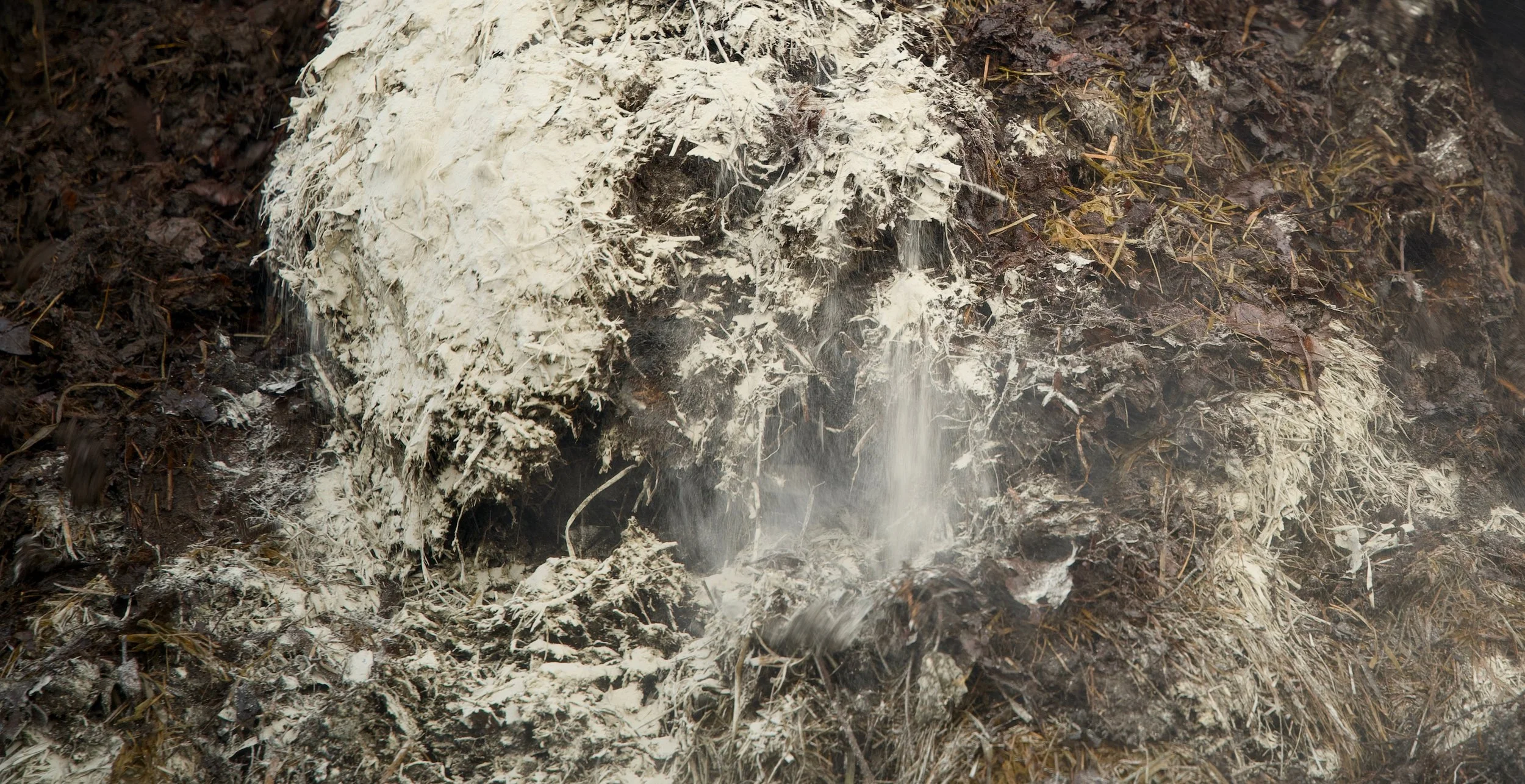
What to do with your chicken poop!
How Bokashi improves nutrient management on poultry farms
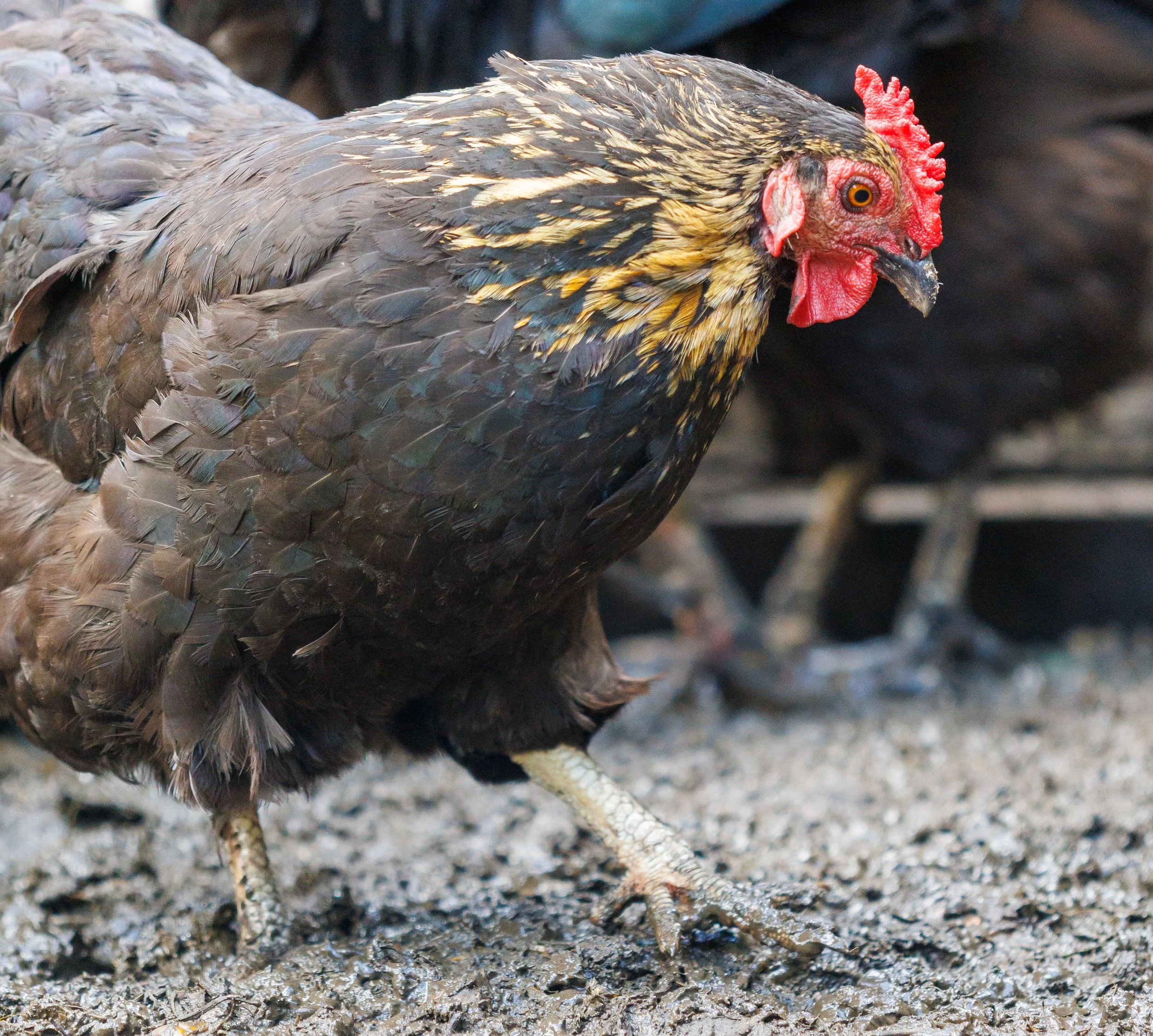
Poultry farming produces significant amounts of manure every year. While poultry manure is rich in valuable nutrients such as nitrogen, phosphorus, and potassium, managing it effectively can be challenging. Poor manure management can lead to nutrient loss, unpleasant odours, and environmental concerns such as ammonia emissions and nutrient runoff.
One increasingly popular solution is Bokashi fermentation. By using beneficial microorganisms to ferment organic matter, Bokashi allows farmers to stabilise manure, preserve nutrients, and improve soil health.
Solutions developed by companies like Agriton have helped many farms adopt microbial and Bokashi-based approaches to organic waste management.
The Nutrient Management Challenge on Poultry Farms
Poultry farms generate large volumes of manure mixed with bedding materials such as straw, sawdust, or wood chips. If this material is stored improperly, several problems can occur:
Loss of nitrogen through ammonia emissions
Nutrient leaching during rainfall
Strong odours from decomposing manure
Reduced fertiliser value when applied to fields
These issues not only reduce the effectiveness of manure as fertiliser but can also create environmental risks.
Farmers looking to adopt sustainable agriculture practices are now focusing on ways to preserve nutrients and improve the biological quality of manure before applying it to soil.
What Is Bokashi Fermentation?
Bokashi is a fermentation process that uses beneficial microorganisms to break down organic matter in low-oxygen conditions.
Unlike traditional composting, which requires oxygen and regular turning, Bokashi works through controlled microbial fermentation. During the process, beneficial microbes transform organic waste into a stable and nutrient-rich soil amendment.
Farmers typically apply Bokashi fermentation to:
Poultry manure
Farmyard manure (FYM)
Crop residues
Food waste
The fermentation process preserves nutrients while preventing the decomposition processes that cause odours and nutrient loss.
For farms looking to adopt Bokashi systems, products and microbial solutions available through Agriton Farm can help support this fermentation process.
How Bokashi Is Applied to Poultry Manure
Using Bokashi for poultry manure management is relatively simple and can be integrated into existing farm systems.
The typical process involves:
1. Mixing Organic Materials
Poultry manure is combined with bedding materials such as straw or wood shavings to balance carbon and nitrogen levels.
2. Adding Bokashi Microorganisms
A microbial inoculant is added to introduce beneficial bacteria and fermentation organisms.
Learn more about microbial solutions here:https://www.agritonfarm.co.uk/
3. Creating Anaerobic Conditions
The mixture is sealed or covered to limit oxygen exposure and allow fermentation to occur.
4. Fermentation Period
The material ferments for several weeks, stabilising nutrients and improving microbial activity.
Once the fermentation process is complete, the treated manure can be applied to soil as a nutrient-rich organic fertiliser.

Key Benefits of Bokashi for Poultry Farms
1. Improved Nutrient Retention
One of the main advantages of Bokashi fermentation is the ability to retain valuable nutrients within manure.
Nitrogen, phosphorus, and potassium remain more stable during fermentation compared to traditional storage methods. This means farmers can apply manure that has a higher fertiliser value.
2. Reduced Ammonia Emissions and Odour
Poultry manure often produces strong ammonia smells during storage. Bokashi fermentation suppresses these emissions by stabilising organic matter through beneficial microbes.
Many farmers report that Bokashi-treated manure has far less odour than untreated poultry litter.
3. Improved Soil Health
When applied to fields, fermented manure introduces beneficial microbes and organic matter into the soil.
This can improve:
Soil microbial activity
Soil structure
Nutrient cycling
Water retention
These improvements support healthier crops and more resilient farming systems.
4. Better Manure Handling
Fermented manure often becomes more uniform and easier to spread. This improves nutrient distribution across fields and reduces application challenges.
5. Supports Regenerative Farming Systems
Modern farming is increasingly focused on closing nutrient cycles and reducing waste. Bokashi fermentation helps transform manure into a valuable soil resource, supporting regenerative and sustainable farming practices.
Farmers working with biological farming methods often integrate Bokashi as part of their soil health management strategy.
Why More Farmers Are Choosing Bokashi
As farmers look for sustainable solutions to manure management, Bokashi fermentation is gaining attention for its ability to:
Reduce nutrient loss
Improve soil biology
Lower environmental impact
Enhance fertiliser efficiency
With the support of microbial products and soil health solutions from Agriton, many farms are successfully integrating Bokashi systems into their daily operations.
Explore Bokashi and soil health solutions:https://www.agritonfarm.co.uk/