Biofilms in water troughs: What are they and how do they impact Animal Health
Water troughs aren’t just a source of hydration—they can become microbial hotspots if not properly managed. Biofilms are sticky communities of bacteria, fungi, and algae that adhere to surfaces and live within a protective glue called Extracellular Polymeric Substance (EPS). This matrix shields microbes from disinfectants, water flow, UV light, and environmental stress, while trapping nutrients to support their growth and replication.
How Biofilms form
Microbes enter the water as planktonic (free-floating) cells.
Some, like E. coli, rapidly attach to trough surfaces, corners, or inlets.
As EPS is produced, it traps more microbes and nutrients, allowing colonies to expand.
Microbes at the edges feed on fresh nutrients, while those deeper in the matrix survive on metabolic by-products.
This creates a resilient, self-sustaining microbial ecosystem that is difficult to remove and can harbour pathogens.
Why unmanaged troughs are a risk on farm
Organic matter accumulation: Saliva, feed residues, muck, and dust become food for microbial communities.
Dead microbes contribute: Even when bacteria die, their cell debris becomes part of the EPS, strengthening the biofilm.
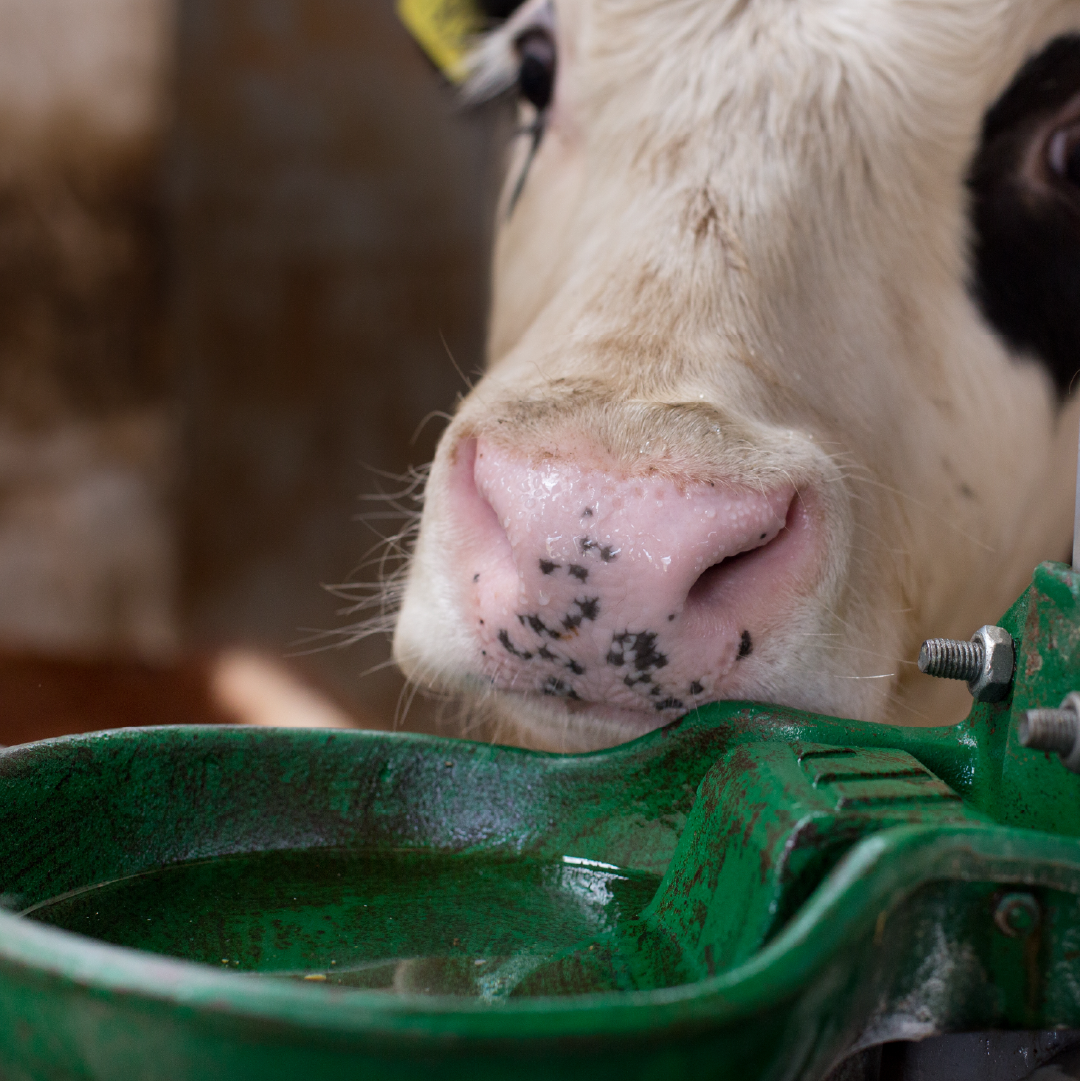
Exposure risk for young animals: Curious calves often lick trough edges, water inlets, and corners, ingesting sloughed-off bacteria or fragments of biofilm.
Reduced water intake: Thick biofilms can impact water taste and palatability, affecting rumen function and feed efficiency.
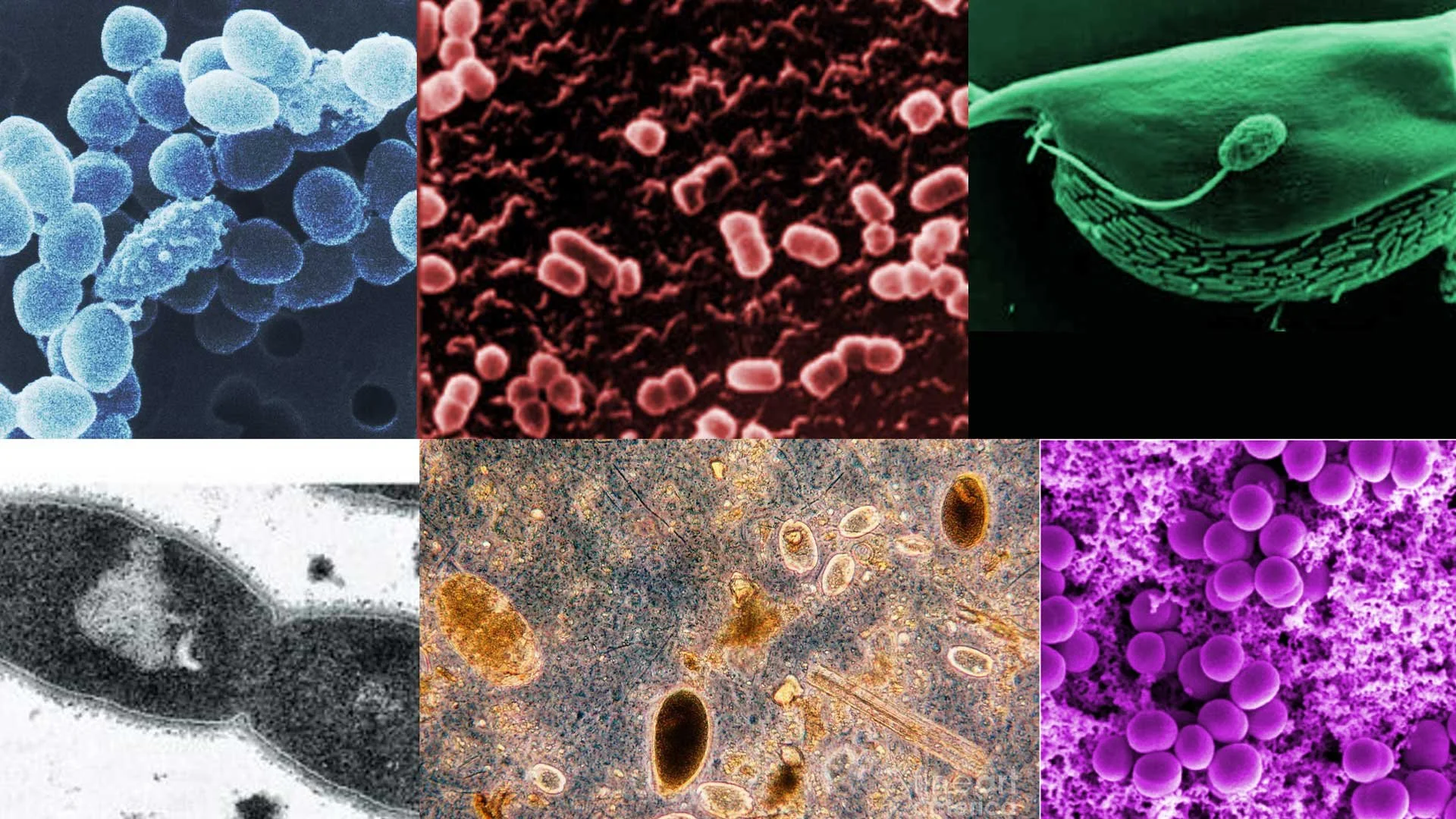
Disinfectants alone often cannot penetrate EPS. Physical scrubbing is essential to remove biofilms effectively.
What Beneficial Bacteria and Organic Acids can do to help
Introducing friendly microbes into water systems can support a healthy microbial ecosystem:
Competitive exclusion: Beneficial bacteria occupy attachment sites, physically preventing pathogens from colonizing.
EPS thinning: Some probiotics produce enzymes that weaken the biofilm matrix, reducing pathogen survival.
Acidity control: Organic acids produced by probiotics lower pH, creating unfavourable conditions for E. coli and Salmonella while supporting good microbes.
Nutrient recycling: Beneficial microbes help process organic matter, limiting resources for harmful species.
Together, these strategies stabilise water systems, improve intake and palatability, and reduce disease risk.
Practical Takeaways for Farm Management
Scrub water troughs regularly to remove EPS and attached microbes.
Introduce beneficial bacteria to compete with pathogens.
Use organic acids strategically to control pH and biofilm growth.
Monitor water intake, especially for young or vulnerable animals, as a sign of trough hygiene.