Mycotoxins in Silage: Causes, Risks and How to Protect Dairy Forage
Mycotoxins in silage can affect forage quality, rumen health and dairy performance. Learn how silage microbiology and prevention strategies reduce contamination risk.
Mycotoxins in silage are an increasing concern for modern dairy farms. These fungal toxins can develop during crop growth, harvesting or storage, and they may affect feed quality, rumen function and overall herd performance.
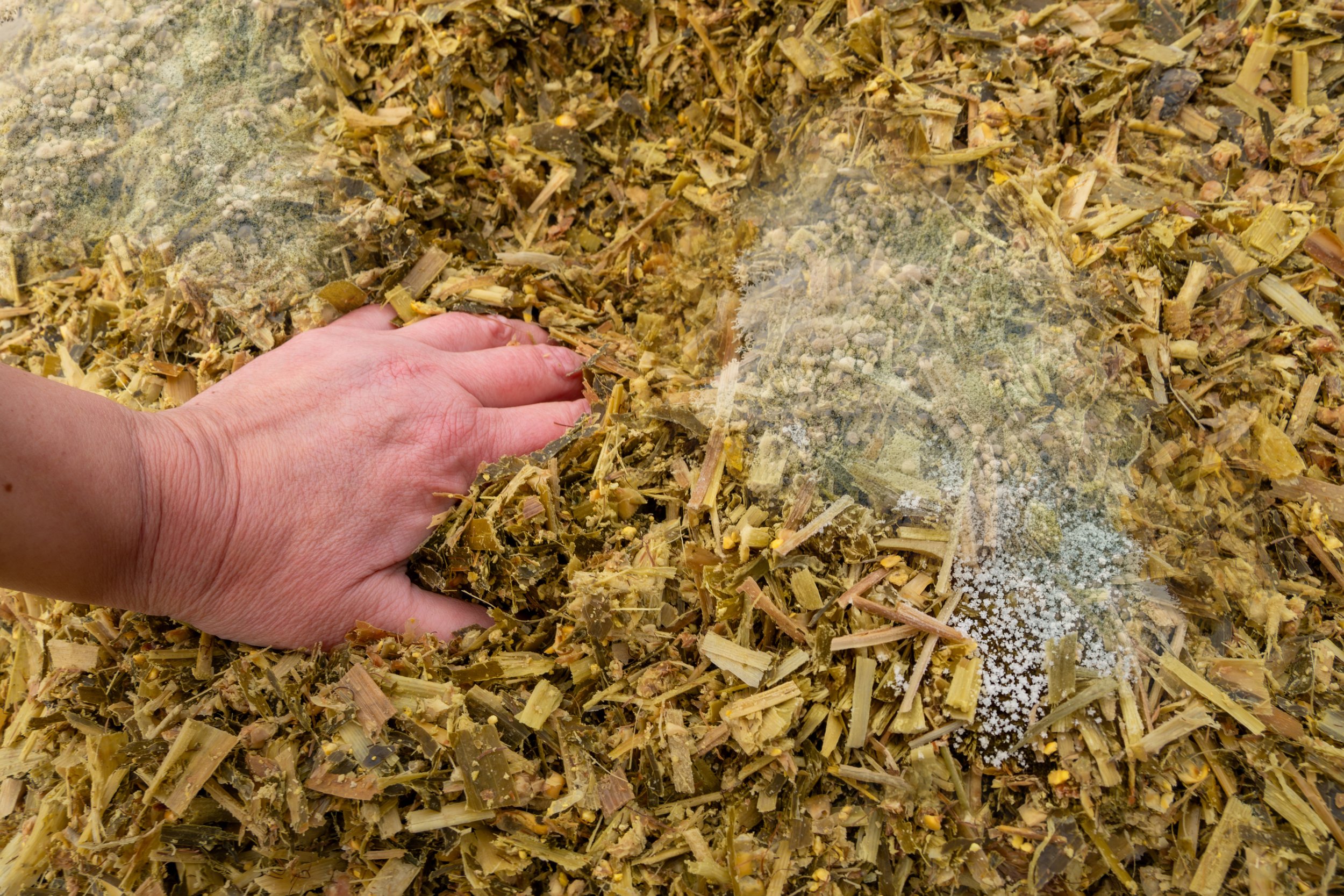
One of the challenges with mycotoxins in silage is that contamination is not always visible. Forage may appear well preserved while still containing biologically active toxins produced by mould species such as Fusarium, Aspergillus and Penicillium.
Protecting forage quality therefore requires managing the entire silage ecosystem — from field conditions and harvest timing through to clamp management and feed-out practices.

Key Takeaways
• Mycotoxins can develop during crop growth, storage or feed-out
• Silage may contain toxins even when mould is not visible
• Oxygen exposure is a major driver of fungal growth
• Effective consolidation and sealing reduce contamination risk
• Prevention through silage management is more effective than correction
What Are Mycotoxins and Where Do They Come From?
Mycotoxins are stable secondary metabolites produced by various fungal species. In forage systems, the most relevant groups typically originate from fungi belonging to the genera Fusarium, Aspergillus and Penicillium.
Contamination can occur at several points within the forage production cycle:
During crop development in the field
At harvest if plant material is damaged or stressed
During silage storage when oxygen exposure allows mould growth
During feed-out if the clamp face becomes unstable or heats
Because many mycotoxins remain biologically active even after visible mould disappears, managing the risk requires a system-wide approach rather than isolated interventions.
Why Visual Inspection of Silage Is Not Enough
Research conducted at Harper Adams University has demonstrated that visual assessment alone is not a reliable indicator of mycotoxin contamination.
Silage can appear stable and well fermented while still containing toxin loads that may influence animal health and performance.
Their research also showed that improvements in clamp management can significantly reduce storage-related contamination. In particular:
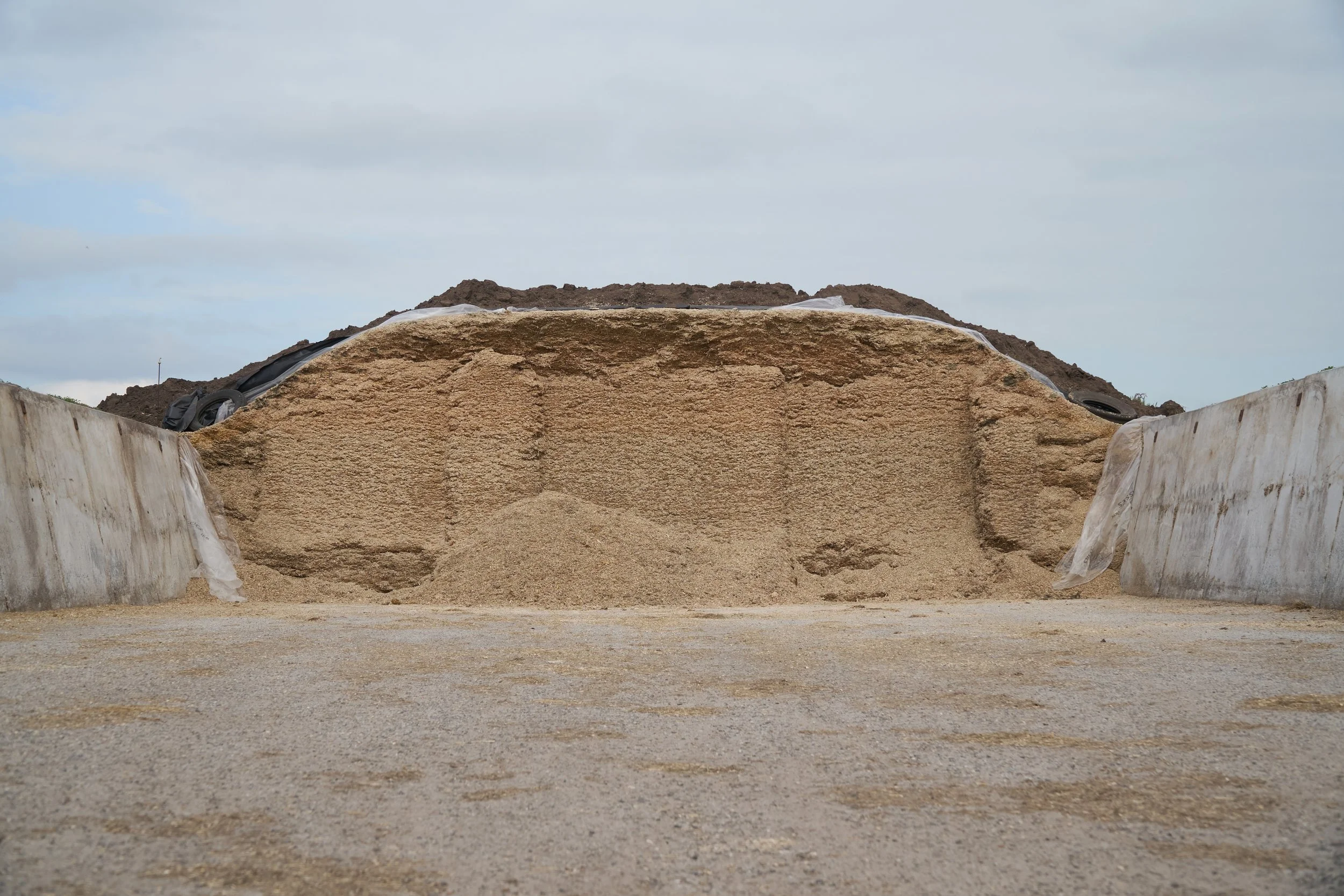
Effective clamp consolidation
Proper oxygen exclusion
Use of weighted covers
These were shown to improve dry matter retention and reduce concentrations of storage-associated toxins linked to Penicillium and Aspergillus ecology.
The Scale of Mycotoxin Risk in UK Silage
Industry monitoring highlights how widespread the issue can be within forage systems.
Reports referenced by Farmers Weekly indicated that during 2023:
Over 60% of maize silage samples were classified as high risk for mycotoxin contamination
Approximately 74% of grass silage samples contained Penicillium-associated mycotoxins
Feed safety within the UK is regulated by the Food Standards Agency, which sets maximum contaminant thresholds for compounds including aflatoxin B1. Complementary guidance from Agriculture and Horticulture Development Board provides advisory limits for toxins such as DON and ZON in livestock feed.
Together, these monitoring programmes illustrate the importance of maintaining robust forage preservation systems.
Silage as a Microbial Ecosystem
Silage should not simply be viewed as stored forage. It is a dynamic microbial ecosystem where different microorganisms compete for dominance.
When forage is rapidly sealed and anaerobic conditions are established:
Beneficial fermentation bacteria dominate
pH declines rapidly
Spoilage fungi are suppressed
However, delayed sealing, insufficient consolidation or oxygen ingress can create ecological niches where spoilage organisms and toxin-producing fungi proliferate.
Effective silage management therefore depends on controlling the biological environment that determines which microbes dominate fermentation.
Prevention Is the Most Effective Control Strategy
Once aerobic spoilage begins, reversing its effects becomes difficult.
The consequences may include:
Reduced palatability
Lower voluntary dry matter intake
Disruption of rumen microbial balance
Subclinical effects on immunity, metabolism and fertility
These impacts often develop gradually before clear clinical symptoms are observed, making prevention far more effective than correction.
Practical Steps to Reduce Mycotoxin Risk
A resilient forage strategy focuses on preventing conditions that allow mould and toxin-producing fungi to develop.
Key management principles include:
Monitoring crop maturity and harvest timing
• Rapid clamp sealing to minimise oxygen exposure
• Thorough consolidation to support anaerobic fermentation
• Maintaining appropriate feed-out rates to prevent heating at the clamp face
• Monitoring forage dry matter and fermentation stability
The objective is not simply the absence of visible mould, but the establishment of stable microbial dominance that protects nutrients from field to rumen.
The Role of Nutritional Risk Management
Farm systems rarely operate under ideal conditions. Weather variability, labour availability and operational pressures can all influence silage quality.
In situations where contamination risk cannot be completely avoided, nutritional strategies such as mycotoxin binders may provide an additional layer of protection.
However, these tools are most effective when used within a broader prevention framework rather than as a primary solution.
Protecting the Biological Value of Forage
Forage production represents both a major financial investment and a biological foundation for dairy performance. Protecting that investment requires a prevention-first approach that manages microbial ecology throughout the forage system.
By prioritising stable fermentation, oxygen control and microbial balance, farms can reduce mycotoxin risk while supporting efficient rumen function and long-term herd productivity.
L Peddle