
Colostrum In Calves: Early life programming, Gut health & Immunity Explained
Introduction
A recent article by Annie Kerr in Farmers Weekly revisited the importance of feeding high-quality colostrum within the first two hours of life in newborn calves.
The role of colostrum in passive transfer of immunity is well established. However, increasing evidence suggests this is only part of a much broader biological process. Early-life nutrition not only supports immediate survival, but also influences long-term gut development, immune competence, and productivity.
This concept is often referred to as Early Life Programming, where nutrition and microbial exposure during the neonatal period shape lifetime performance.
The Established Role of Colostrum in Calf Immunity
Colostrum is essential for the transfer of maternal antibodies, particularly immunoglobulin G (IgG), which protects the calf during its early immune-naïve stage.
Timely ingestion of high-quality colostrum:
Improves disease resistance
Reduces neonatal morbidity and mortality
Enhances long-term productivity
Increases likelihood of calves remaining in the herd longer
However, colostrum is far more than an antibody delivery system.
Beyond IgG: The Full Biological Composition of Colostrum
Colostrum is a complex biological fluid containing multiple components that support early development:
Nutrients for growth
Higher protein levels than whole milk (supporting organ and skeletal development)
Energy from fats and carbohydrates
Bioactive compounds
Lactoferrin, which binds iron and limits bacterial growth
Growth factors that support intestinal development
Vitamins and minerals
Calcium, magnesium, copper, and other essential micronutrients
Beneficial microorganisms
Lactobacillus spp.
Bifidobacterium spp.
These microorganisms play an important role in establishing the early gut microbiome.
These microorganisms play an important role in establishing the early gut microbiome.
The Role of the Early Gut Microbiome
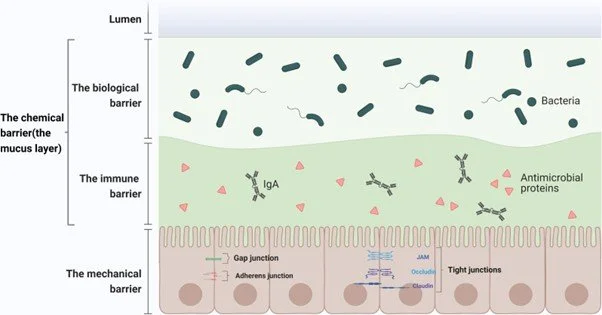
The neonatal gut is rapidly colonised after birth, and this microbial establishment plays a key role in immune development.
Beneficial bacteria contribute by:
Competing with pathogens such as E. coli and Salmonella
Producing organic acids that reduce intestinal pH and inhibit pathogen growth
Supporting the development of tight junction proteins, strengthening gut integrity
Reducing risk of diarrhoea and “leaky gut” syndrome
This early microbial colonisation is now recognised as a critical driver of immune system maturation.
Early Life Programming: A Critical Development Window
The concept of Early Life Programming describes how early nutrition and microbial exposure shape long-term physiological outcomes.
In calves, this includes:
Immune system development
Gut morphology and function
Nutrient absorption efficiency
Growth and lifetime productivity
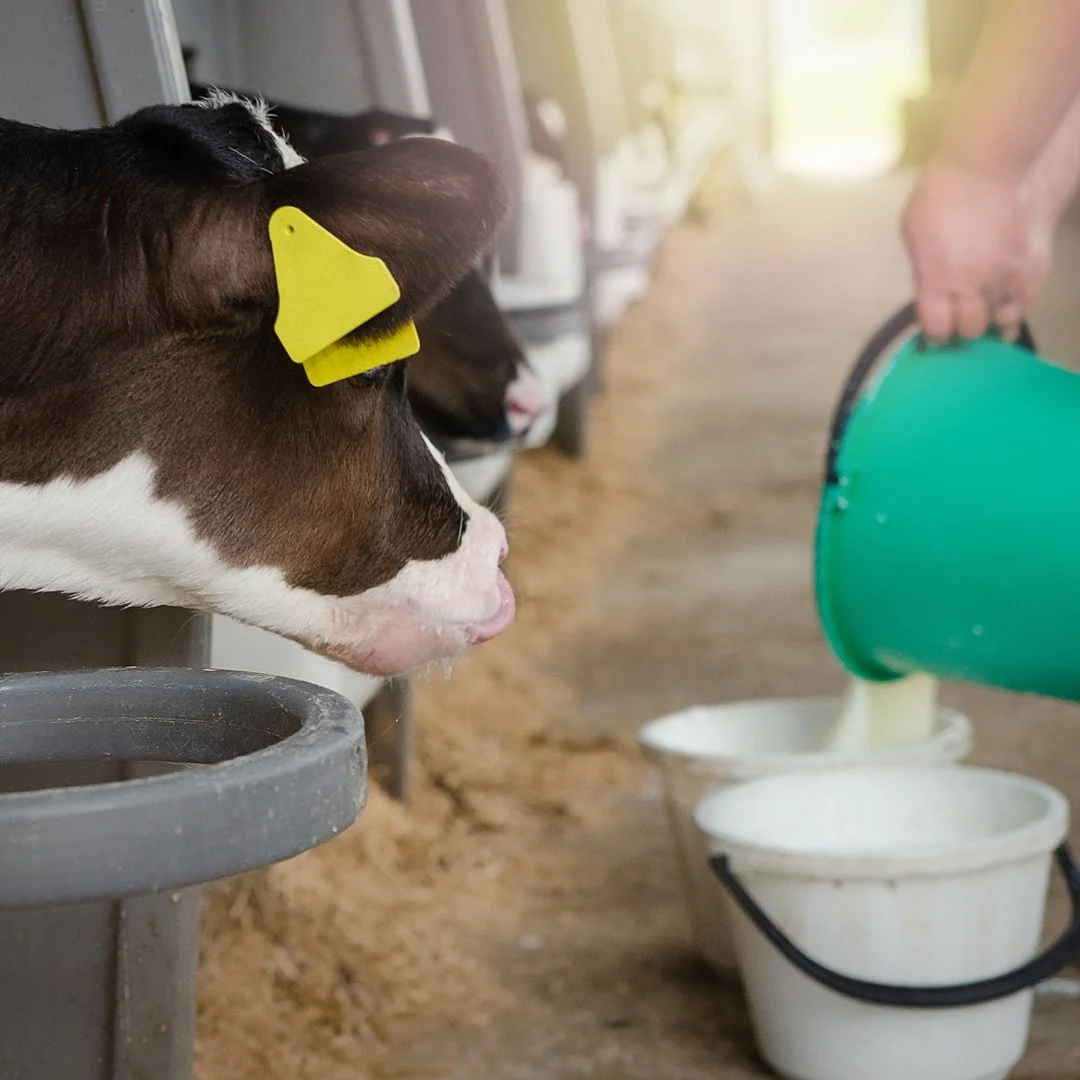
Rather than viewing colostrum solely as a short-term intervention, it should be considered a foundational input that influences lifetime performance.
Rather than viewing colostrum solely as a short-term intervention, it should be considered a foundational input that influences lifetime performance.
Supporting the Microbiome: More Than Supplementation
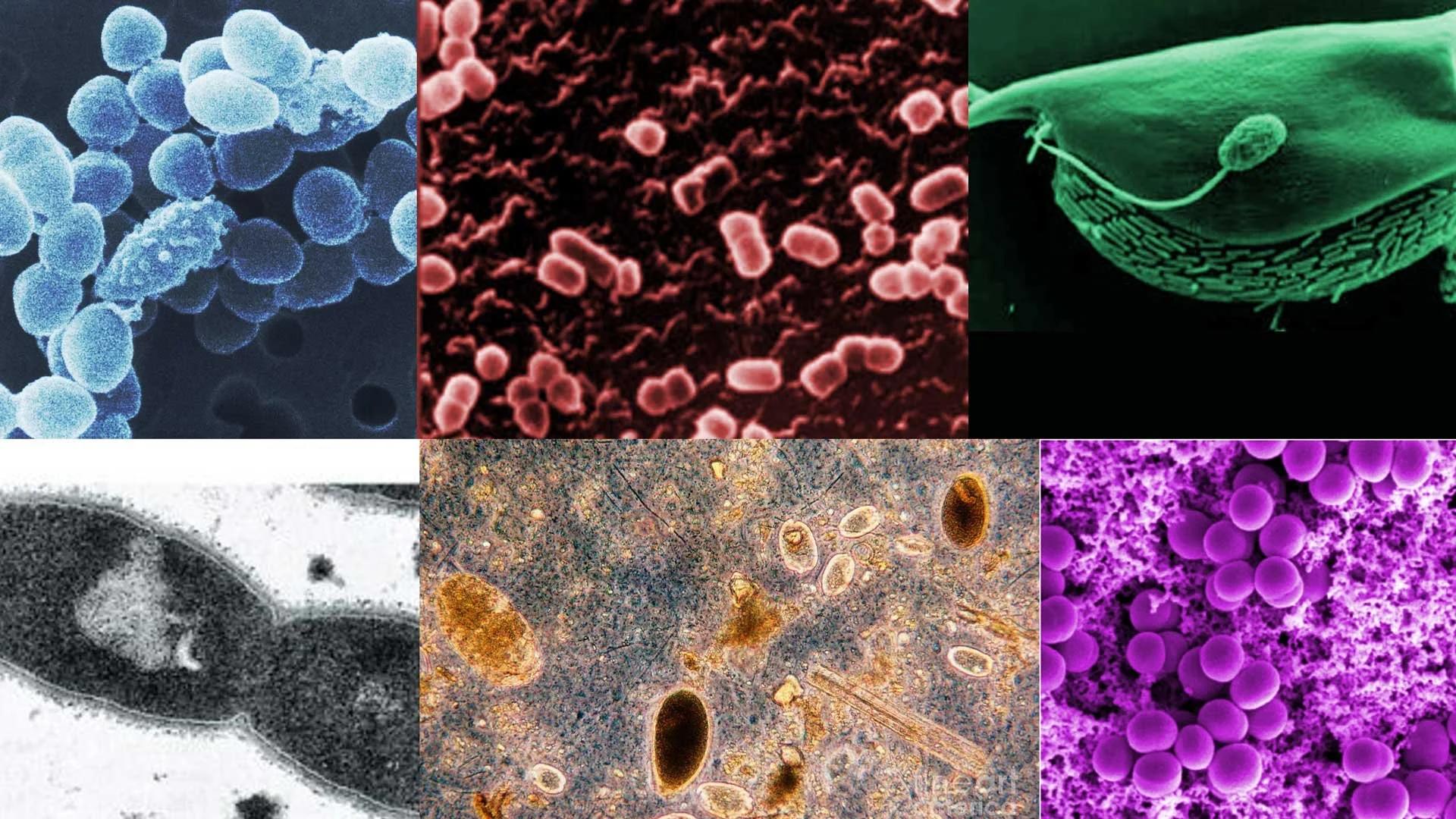
The use of prebiotics, probiotics, and postbiotics in livestock nutrition continues to evolve. Previously grouped as direct-fed microbials, these approaches aim to influence gut microbial populations and improve health outcomes.
However, outcomes depend on multiple factors:
Strain specificity and viability
Host physiology and immune status
Environmental and management stressors
Timing of administration
Importantly, microbial interventions are not a replacement for good management practices but part of a broader systems-based approach.
Key On-Farm Considerations
To effectively support calf health and microbiome development, producers should first evaluate system performance:
Are calves achieving expected growth rates?
Is there a high incidence of scours or respiratory disease?
Are heifers reaching reproductive targets on time?
Are dry cows in optimal body condition pre-calving?
These indicators help determine whether additional nutritional or microbial interventions are required.
Conclusion
Colostrum plays a far more complex role than simply providing passive immunity. It delivers a combination of nutrients, bioactive compounds, and microorganisms that collectively shape gut development and immune function.
The first hours and days of life represent a critical window where biology is being programmed, not just supported.
By understanding and optimising this process, producers can improve not only calf survival but also lifetime performance and herd efficiency.
L Peddle