5 Surprising Takeaways: How Volcanic Bedding is Revolutionising Dairy Hygiene and Soil Health
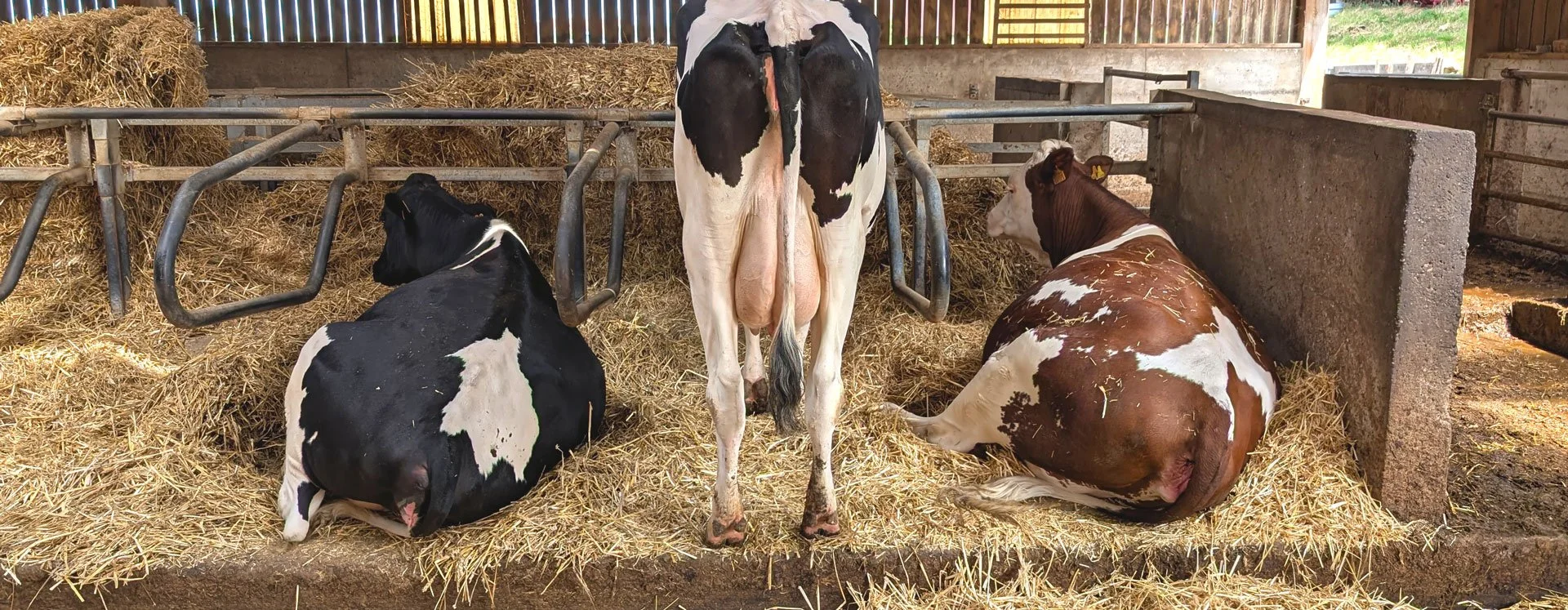
The Hidden Chemistry of the Dairy Barn
The modern dairy farmer is currently navigating a perfect storm of operational and regulatory pressures. Following a punishingly wet winter and an increasingly unpredictable spring, cereal crop yields have plummeted, leaving many producers facing a critical shortage of traditional straw bedding. Simultaneously, the environmental clock is ticking; Defra has mandated a 16% reduction in ammonia emissions from 2005 levels to meet air quality standards.
As a technical consultant, I am increasingly advising clients to look beyond stop-gap measures and toward natural, high-performance minerals that solve both the hygiene crisis and the nutrient loss problem. Vulkamin, a 100% natural, naturally occurring volcanic mineral, is at the forefront of this shift. It offers a sophisticated alternative to traditional conditioners, acting as a bridge between high-standard livestock welfare and regenerative soil health.
Takeaway 1: Solving the "pH Paradox" – Hygiene Without Nitrogen Loss
For years, the industry has relied on hydrated lime to maintain hygiene. The logic was simple: raise the pH to create an alkaline environment that kills pathogens. However, this creates what I call the "pH Trap."
When urea in urine is broken down by the urease enzyme, it becomes ammonium (NH4+). The environmental fate of that nitrogen depends entirely on the pH-dependent equilibrium:
At low (acidic) pH: Nitrogen remains as soluble, non-volatile ammonium (NH4+).
At high (alkaline) pH: The balance shifts. As pH rises, NH4+ loses a proton to become ammonia gas (NH3).
The Result: Volatile ammonia escapes into the atmosphere, causing respiratory irritation for cows and staff while "stealing" the nitrogen intended for your fields.
The Vulkamin Difference: Vulkamin also raises pH to suppress pathogens—matching lime’s hygiene benefit—but it effectively avoids the "pH Trap." Because of its unique volcanic structure, it captures the nitrogen physically before the alkaline shift can turn it into a gas.
"A 1–2 unit pH rise can massively increase volatilisation. Raising bedding pH from 7 to 9 can increase the volatile ammonia fraction from less than 1% to over 30%. Vulkamin provides the alkalinity needed for hygiene while its mineral frame prevents the resulting nitrogen loss."
Takeaway 2: The Zeolite "Swap" – The Molecular Cage
The "secret weapon" inside Vulkamin is its high concentration of Zeolite—a natural, clay-like mineral with a robust, 3-dimensional crystalline frame. Unlike lime, which only works through chemical reaction, Vulkamin works through physical ion exchange.
How it Works: Within its crystalline lattice, Vulkamin holds weakly bonded ions, specifically sodium (Na+) or calcium (Ca2+). When urine hits the bedding, Vulkamin performs a "cation exchange": it "swaps" its Na+ or Ca2+ ions for the ammonium (NH4+) ions. By trapping the ammonium within this 3D frame, Vulkamin binds moisture and locks in odours without allowing nitrogen to escape as gas.
This allows the product to be ultra-absorbent and tough on pathogens while remaining chemically stable and non-caustic.
Takeaway 3: Gentle Hygiene – Protecting the "Teat End"
A common misconception is that a "sterile" bedding environment (zero bacteria) is the only metric for success. However, research—including studies by Sherwin et al. (2021)—suggests that the condition of the animal’s skin is often more important than the bacterial count of the bedding itself.
Fact Check: High bacterial counts in bedding do not always correlate to the bacterial load on the teat end. If a conditioner is too caustic (like hydrated lime), it causes skin irritation, "caking," and Teat Open Lesions (TOL). These lesions act as a "superhighway" for mastitis-causing pathogens like S. uberis.
Vulkamin is a natural mineral rather than a caustic chemical. It is significantly gentler on delicate udder tissue, ensuring the cow’s natural biological barrier—the skin—remains intact. Because it is non-irritating, it is the ideal solution for cubicles, farrowing pens, and stables where animals spend long periods lying down.
Takeaway 4: The Ultimate Upcycle – From Bedding to FYM Bokashi
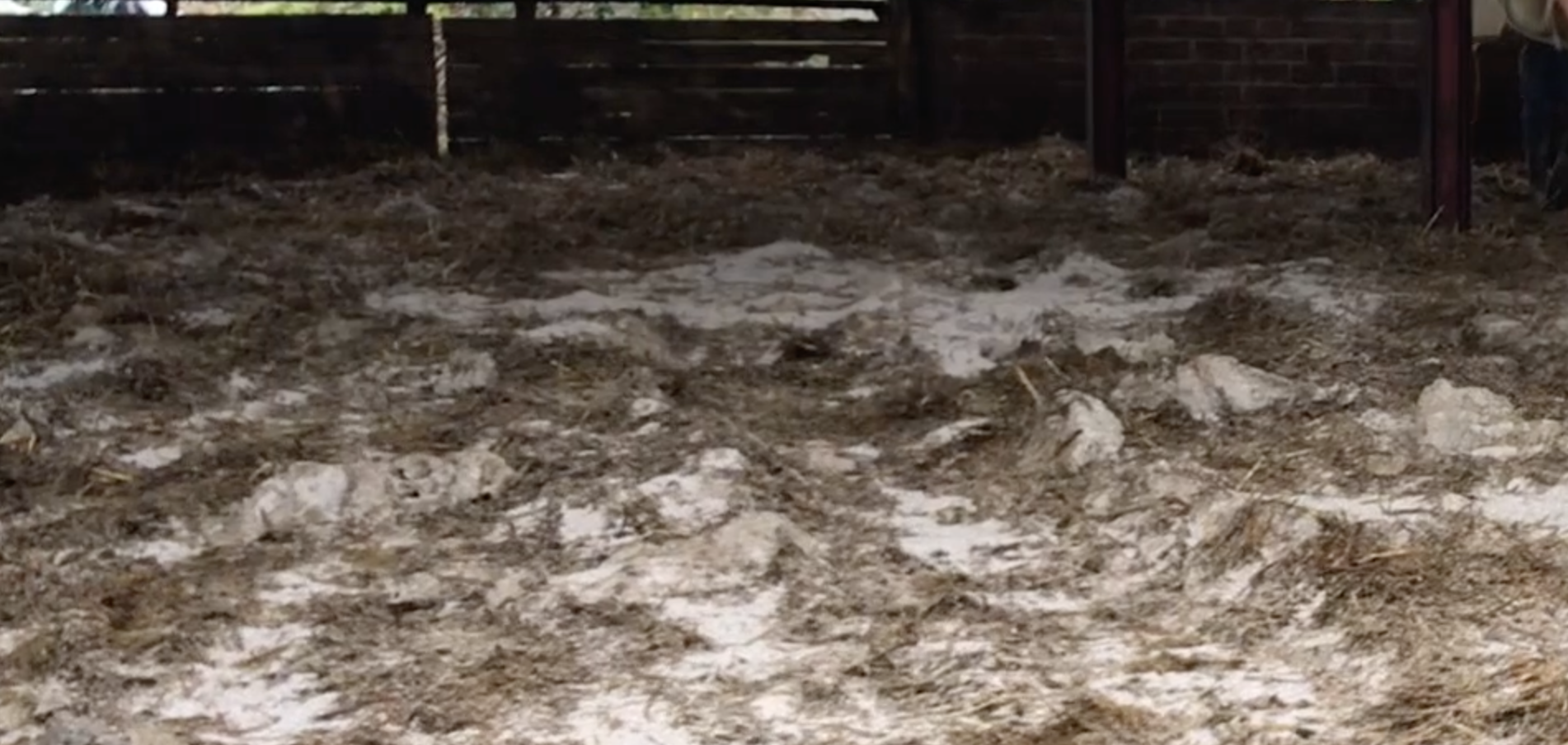
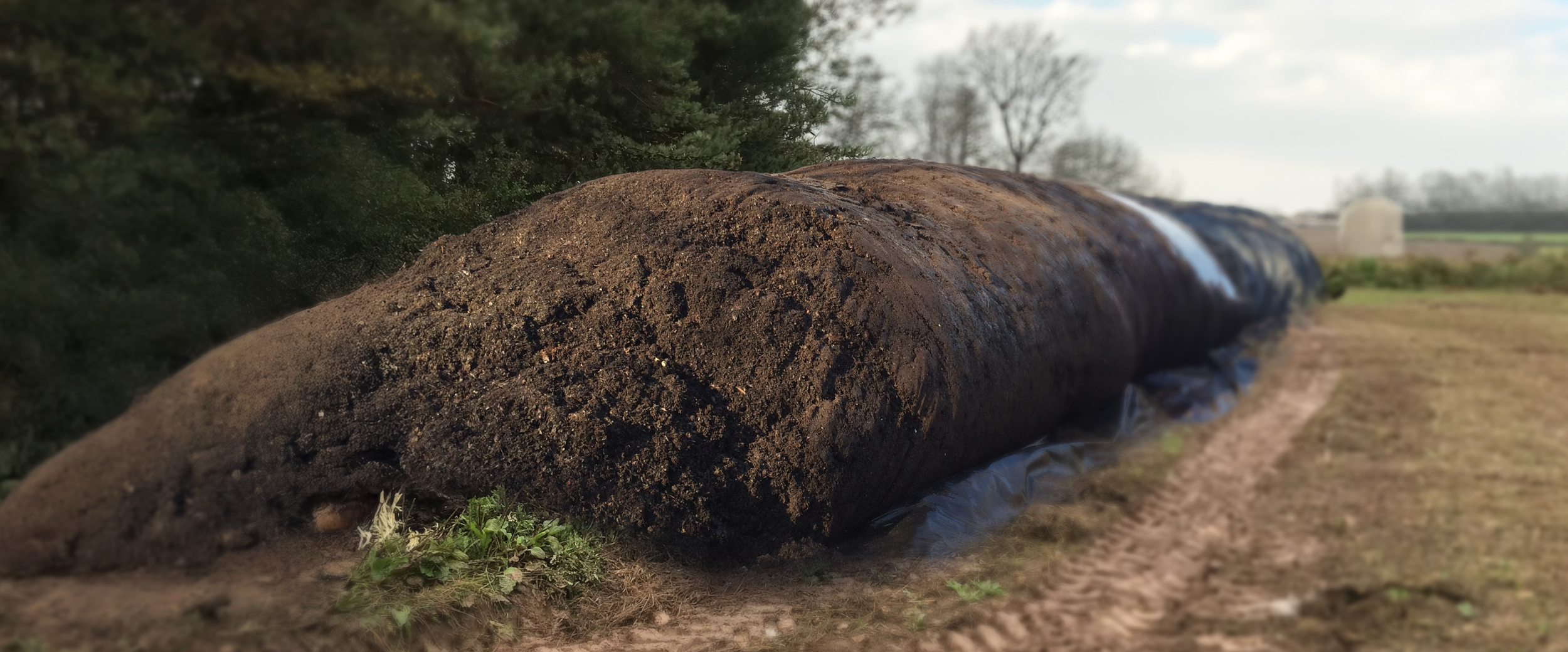
In a regenerative system, the barn is the factory for next year’s crop fertility. When used bedding containing Vulkamin (A small amount, 50g per m2 daily; allowing good bacteria to survive) is moved to the manure heap, it becomes a helpful addition for Farm Yard Manure (FYM) Bokashi.
This transition is a strategic "upcycle":
Nitrogen Retention: The NH4+ trapped by the Zeolite in the barn stays in the manure, resulting in a much higher nutrient density.
Microbial Inoculation: Vulkamin’s mineral structure provides the perfect "housing" for "Good Bacteria," specifically Lactobacillus and other Effective Microorganisms (EM).
Fermentation Over Putrefaction: During the Bokashi process, these microbes create an acidic environment through fermentation. The Vulkamin-enriched bedding supports this microbial dominance, outcompeting pathogens and transforming waste into a fermented soil amendment that boosts carbon capture.
Takeaway 5: A Mineral Boost for the Whole Farm Cycle
Vulkamin is a dual-purpose investment. The minerals that support hygiene in the barn are the same minerals that ensure crop resilience in the field. Specifically, the release of Silicic Acid strengthens plant cell walls, providing a physical defence against the "wet-dry" weather extremes mentioned earlier.

Bonus takeaway: Twice the absorbency, twice the value
While lime is often chosen for its ability to dry bedding surfaces, Vulkamin takes absorbency to another level. Its volcanic mineral structure can absorb up to twice as much moisture as traditional hydrated lime, helping to keep bedding drier for longer. This improved moisture control reduces odours, limits bacterial growth and creates a more comfortable environment for livestock, all while retaining valuable nutrients that can later benefit the soil.
Conclusion: The Future of Regenerative Dairy
The transition to natural volcanic minerals represents a shift toward an intelligent, closed-loop system. Unlike lime, which kills all bacteria, including the good, Vulkamin creates a “healthy natural bedding microbiome. This helps both animal and the end FYM Bokashi process.
Vulkamin offers a safer, more durable solution that retains its value from the cubicle to the crop.
As we look toward the future of sustainable agriculture, the question is no longer just about killing bacteria; it’s about nutrient management. What is the true cost of "cheap" lime when you factor in lost nitrogen, teat lesions, and soil depletion?
By treating the barn and the field as a single, connected system, Vulkamin proves to be "Nature's answer to high-performance farming."