
Ringworm, what is it and how to prevent it?
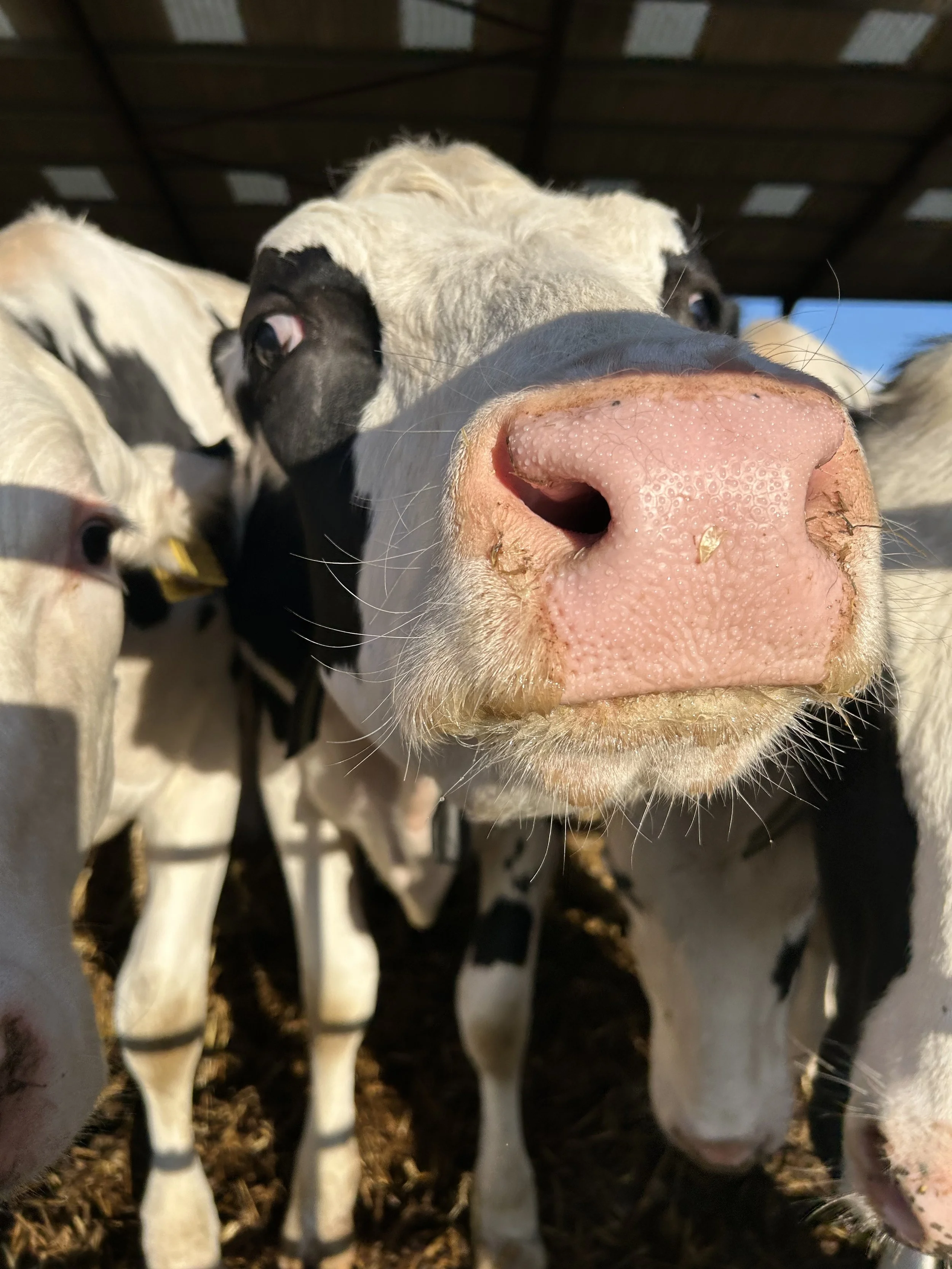
What is Ringworm?
Ringworm is not a notifiable disease, therefore often cases are not reported, measured or even treated. It is particularly prevalent amongst youngstock despite infections often being mild and self-limiting.
Due to the nature of ringworm, also known as Dermatophytes – it can live for several months, if not longer in organic surfaces such as barns, bedding and within hair follicles. Due to its resilient nature, it can also live for long periods on fomite objects, such as gates, brushes and feeding equipment – hence hygiene on farm really is essential at combatting the spread of this infection.
Dermatophytes are a type of fungi that can infect keratin in tissues such as skin, and hair resulting in white, greyish circles, forming crust-lesions. The keratin acts as a food source (it produces enzymes specifically to digest keratin) prolonging infection, resulting in rapid spread across the skin/coat of the calf, and within pens.
Treatment available
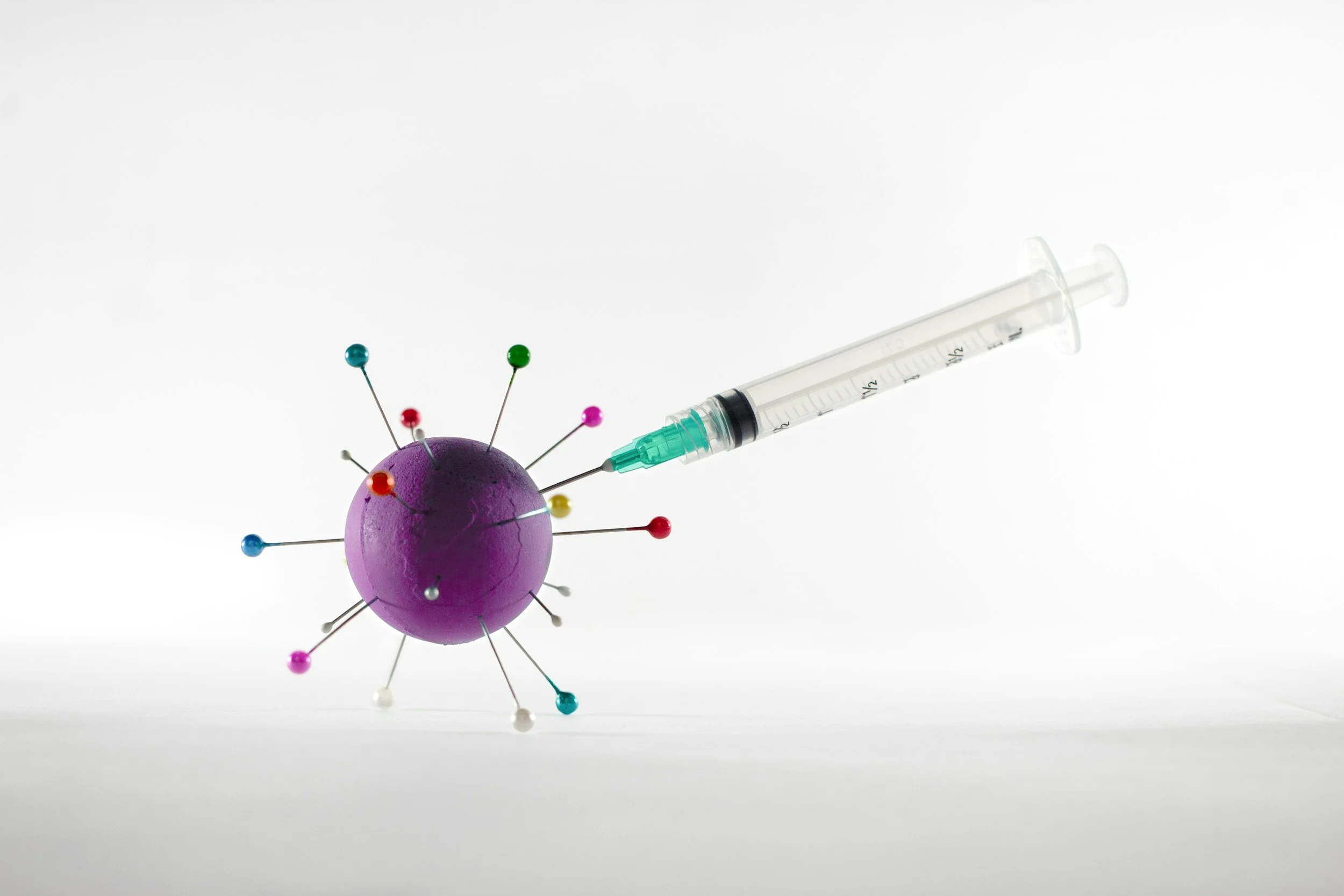
Current treatment includes vaccinations against Trichophyton verrucosum at approximately 14 days of age, with a second dose 2 weeks later, designed to both treat and prevent the infection. Immunity has been observed from 3 weeks post-vaccination.
Adhesion is critical, if fungal spores cannot attach themselves the infection fails. They cannot continue to germinate, producing necessary enzymes for survival and fungal growth. Topical antifungals can disrupt normal cell function, preventing adhesion, blocking the production of enzymes, required to digest keratin.
Suitable, effective and reliable treatment
Several treatment options can create a robust protocol in the prevention, and treatment of Ringworm
Impact on the calf
Time, costs and practicality often drive decisions on farm and unlike more serious conditions such as SARA or mastitis which have a significant impact on production, and yield, treatment for ringworm is often not viable. However, it shouldn’t be overlooked that this somewhat mild, and nuisance fungi will produce an immune response.
A diversion of energy will be directed towards anti-inflammatory responses, a potential increase in stress hormones, both associated with reduced intakes, slower growth and development. Those who have had a difficult start, lower BW, potential scours will have a vulnerable immune system, increasing susceptibility to other infections. Similarly, those fighting ringworm from a young age, may become more susceptible to other pathogens within the environment, due to a multiple stress-load, that they would ordinarily fight off.
Alternative approach
Applying a lactic-acid bacteria spray to the skin, at the site of lesions can significantly reduce the pH of the skins surface, making the environment inhospitable for fungi. Typically, these fungi prefer a high, more alkaline pH therefore the production of organic acids from LAB can reduce this.
It can also suppress growth of spores and prevent adhesion which can minimalise the spread of infection.
Also increasing the volume of LAB within localised areas (superficial) can outcompete pathogenic bacteria and fungus for resources, and sites of attachment.
LAB cannot penetrate keratin, the way dermatophytes can and do not produce enzymes. They act at the surface-fungus interface, supporting the skins natural barrier and creating a biofilm. They occupy adhesion sites on hair and skin, preventing the adhesion of spores, and limiting spread.

Summary
This is not miracle cure, it is one step in part of a multifactorial approach which when combined can prevent initial outbreaks from happening and prevent spread in existing ones. Vaccinations, antifungal treatments and alternative approaches can be managed alongside correct stocking density, hygiene and environment to ensure healthy calves, who grow and develop without stress and immune pressure.
Competitive Exclusion: When beneficial microbes occupy a niche, they compete pathogens for resources and attachment sites, reducing pathogenic colonisation.